In brief
The upcoming 'No Kings' protests, scheduled for March 28, are anticipated to be the largest in American history, with organizers expecting up to 9 million participants. Triggered by recent violent clashes in Minneapolis, the protests represent a collective response against President Trump's authoritarian governance. Co-executive director of Indivisible, Ezra Levin, emphasized the need for nonviolent resistance to protect democracy and the rights of communities across the nation. This campaign follows previous successful rallies which unified millions against Trump's policies。
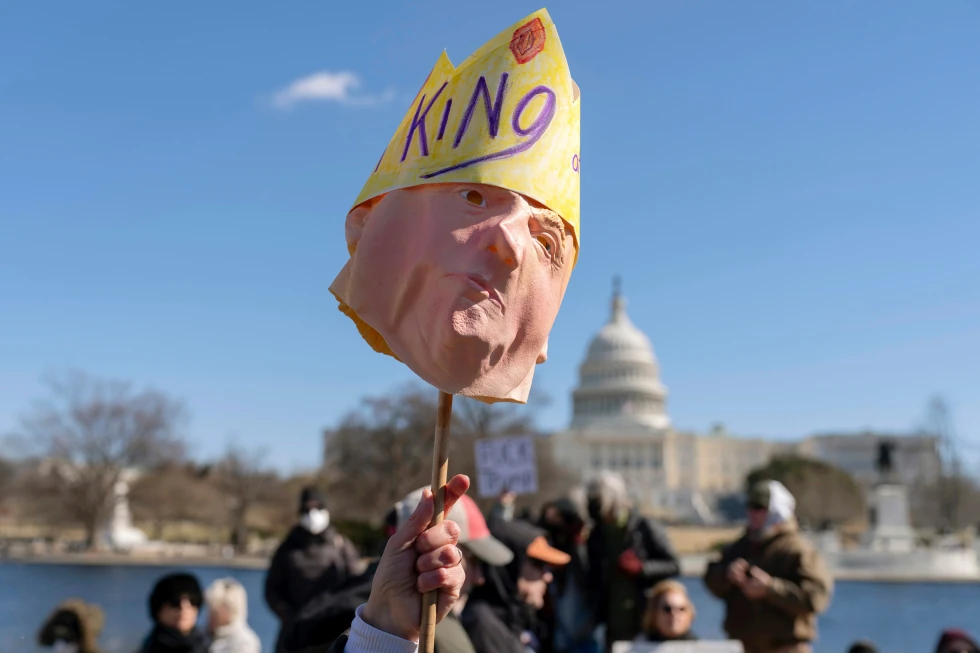
A third round of “No Kings” protests is set to occur this spring, with organizers claiming it will be the largest demonstration yet across the United States to contest what they label authoritarian tendencies under President Donald Trump.
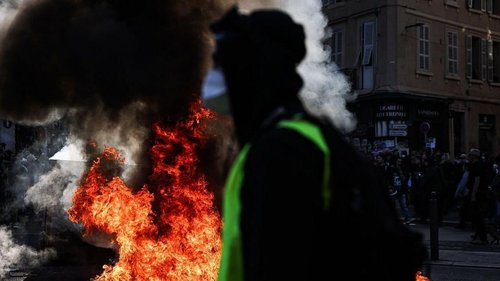
Previous rallies have mobilized millions, and with recent events in Minneapolis resulting in violent confrontations and fatalities, organizers anticipate even greater participation on March 28. We expect this to be the largest protest in American history, stated Ezra Levin, co-executive director of Indivisible, predicting a turnout of as many as 9 million people.
The “No Kings” protests are a collaborative effort involving multiple groups nationwide that have emerged in response to Trump's initiatives to consolidate his power. Levin noted that these protests represent not only anger over attacks on democracy but also a sense of urgency that external rescue forces are lacking.
Last year, Trump dismissed those opposing him saying they were not reflective of Americans and refuted claims of being a king. The recent unrest can be traced back to tragic incidents in Minneapolis, where the deaths of two individuals at the hands of federal agents has intensified calls for justice and nonviolent resistance.
Levin remarked that this initiative is also a show of support for affected immigrant communities, asserting, The only way to defend those rights is to exercise them, and you do that in nonviolent but forceful ways, and that’s what I expect to see in ‘No Kings’ three.”
As protests spread last year, the first rallies occurred in nearly 2,000 cities following distress over federal immigration policies. Concurrent public sentiments also targeted Trump's celebrated military parade, which critics likened to a coronation, symbolizing the administration's consolidation of power.
In October, a second wave of protests unfolded in approximately 2,700 locations as participants voiced their dissent against Trump's immigration policies and attempts to manipulate federal power for political gain. Amidst these events, Trump and his administration have openly mocked the protests on social media.
As the anticipated date approaches, Levin underscores that while these protest days garner significant media attention, maintaining sustained engagement and training for community organizing is vital to foster a stronger, lasting resistance against the current administration's actions. This isn’t about Democrats versus Republicans. This is about do we have a democracy at all, Levin asserts.