ANNAPOLIS, Md. — Maryland Democrats have rejected an initiative to redraw the state's congressional map, intended to enhance party chances in upcoming elections. This marks a setback for Governor Wes Moore, who endorsed the plan to counter President Donald Trump's push for redistricting in Republican strongholds.
The proposal officially expired as the legislative session concluded late Monday, highlighting internal rifts within the Democratic party. Ultimately, the Maryland Senate opted to keep the measure in committee, wary of potential judicial backlash.
This mid-decade redistricting effort, which has gained traction following Trump's encouragement of Texas to realign its maps last year, is anticipated to unfold increasingly. Republicans in Florida intend to adjust congressional boundaries in an upcoming legislative session, while Democrats are pushing a referendum for redistricting in Virginia.
The failed attempt in Maryland would have facilitated an easier pathway for Democrats to oust the state's sole Republican congressman.
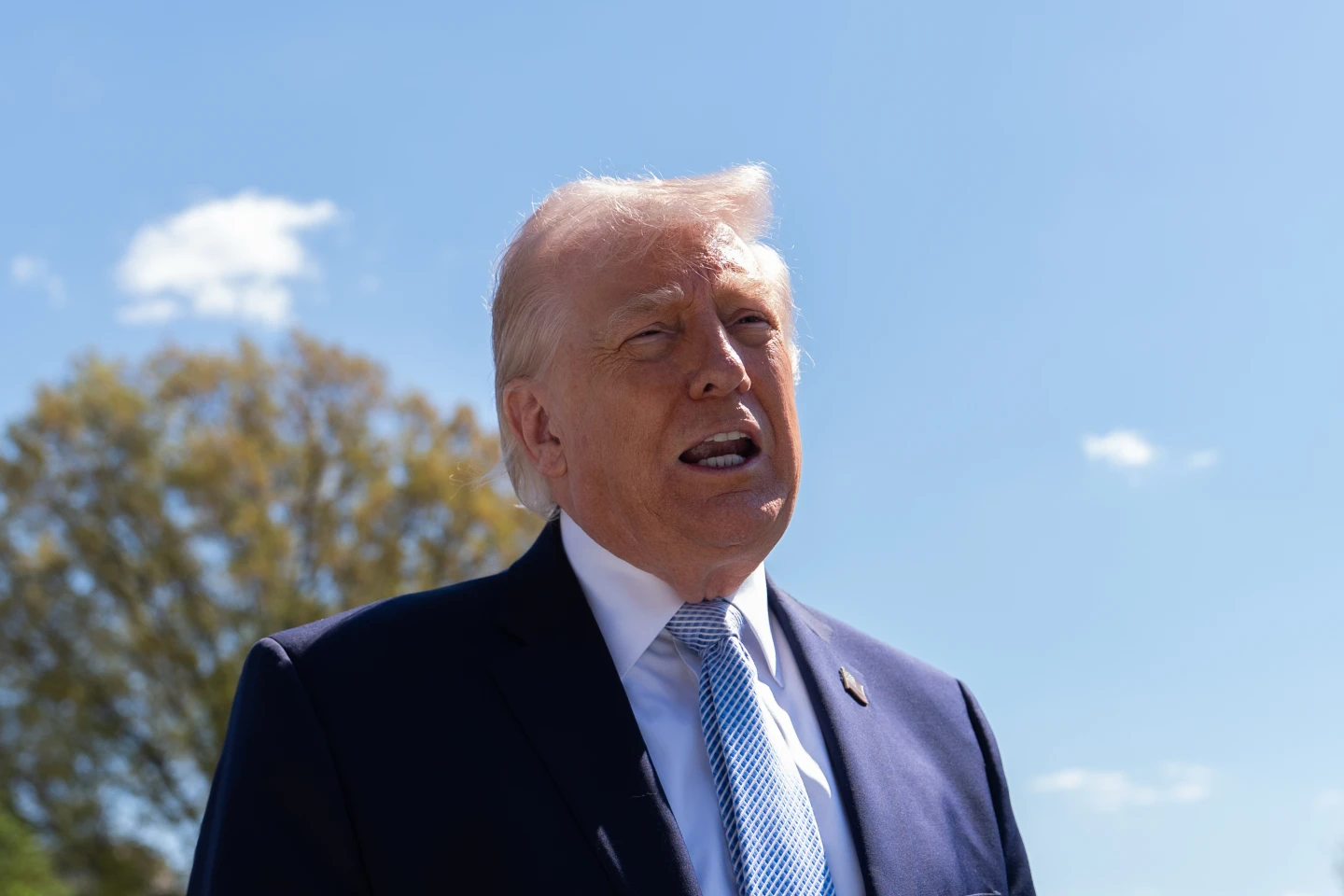
Moore, eyeing the potential for a 2028 presidential run, expressed frustrations over differing views within the party about the urgency of responding to Trump’s redistricting maneuvers. He stated, “This is not a political game to me,” emphasizing that Trump’s actions could undermine electoral integrity.
Disputes about the redistricting plan stemmed from concerns expressed by Senate President Bill Ferguson, who warned that the attempt could inadvertently diminish Democratic seats through legal challenges. Despite pressure from Moore and U.S. House Minority Leader Hakeem Jeffries, Ferguson held his ground.
Moore addressed these ambitions during a recent event with Al Sharpton, mentioning the importance of Maryland participating in mid-decade redistricting to prevent Republicans from manipulating the electoral landscape while others remain static.
While the Maryland House approved redistricting legislation earlier this year, opposition from prominent party members delayed progress. Moore's critics pointed out the risks involved after a previous map was deemed unconstitutional due to extreme partisan gerrymandering.
In the broader context, states like Florida and Virginia are moving forward with their respective redistricting plans, as the political landscape continues to evolve amid ongoing legislative battles.