Professor Margaret Hamilton, the computer scientist whose software kept the Apollo 11 lunar module on course, died at the age of 90 on 30 September 2026. The MIT‑employed engineer, who coined the phrase “software engineering,” led a team of programmers that wrote the first fault‑tolerant, real‑time code used in a spacecraft.
During the 1969 mission, a computer alarm flagged a software error that could have aborted the landing. Hamilton’s priority‑driven architecture paused background tasks, allowing the mission‑critical code to finish the descent and touchdown. The brief emergency is credited with preventing a potential catastrophe.
Her work earned her the 2016 Presidential Medal of Freedom, presented by former President Barack Obama, who praised her as an emblem of “unsung women who sent humanity into space.”
Born in Indiana in 1936, Hamilton earned a bachelor’s degree in mathematics from Earlham College and later studied at MIT. She joined the institute in 1959, directing the Software Engineering Division until the mid‑1970s and mentoring countless engineers.
After leaving MIT, Hamilton founded several software companies, including Hamilton Technologies, which remains in Massachusetts. Her entrepreneurial spirit continued to push innovations in systems reliability and embedded software.
She leaves behind a daughter, a son‑in‑law, two grandsons and four great‑grandchildren. MIT noted her passing with “sorrow for her loss but gratitude for the privilege of celebrating her extraordinary life and work.”
Remembering a Pioneer
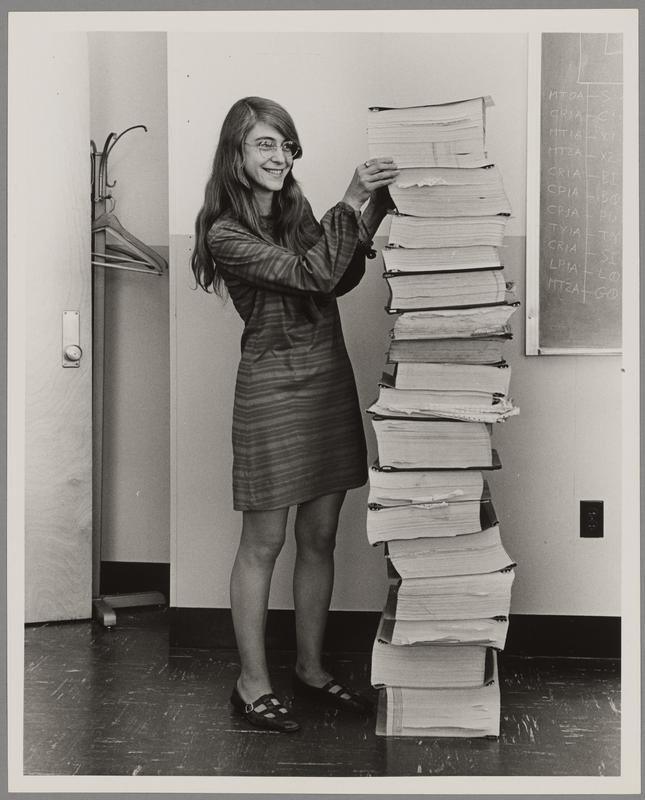
Hamilton’s imagery—standing beside towering stacks of printed code—has become a symbol of the unseen rigor that underpins every spaceflight. Her legacy continues to inspire new generations of software engineers and women in technology worldwide.
<img src='https://ichef.bbci.co.uk/ace/standard/645/cpsprodpb/e452/live/232388f0-c2d5-11f1-a64c-550be9e3c66b.jpg' alt='Hamilton with printed code' style='max-width:100%;height:auto;'>