In brief
On 30 August 2026, NASA’s Nancy Grace Roman Telescope was launched atop a SpaceX Falcon Heavy rocket from Kennedy Space Center. The new observatory boasts a field of vision a hundred times larger than Hubble and Webb and will study dark energy, black holes, and exoplanets from a million miles out. NASA administrator Nicky Fox announced the telescope will dramatically change our view of the universe, while project manager Jackie Townsend described the launch as “glorious.” The mission will run for five years, with a goal of 10, so far as a major leap forward in astronomy.
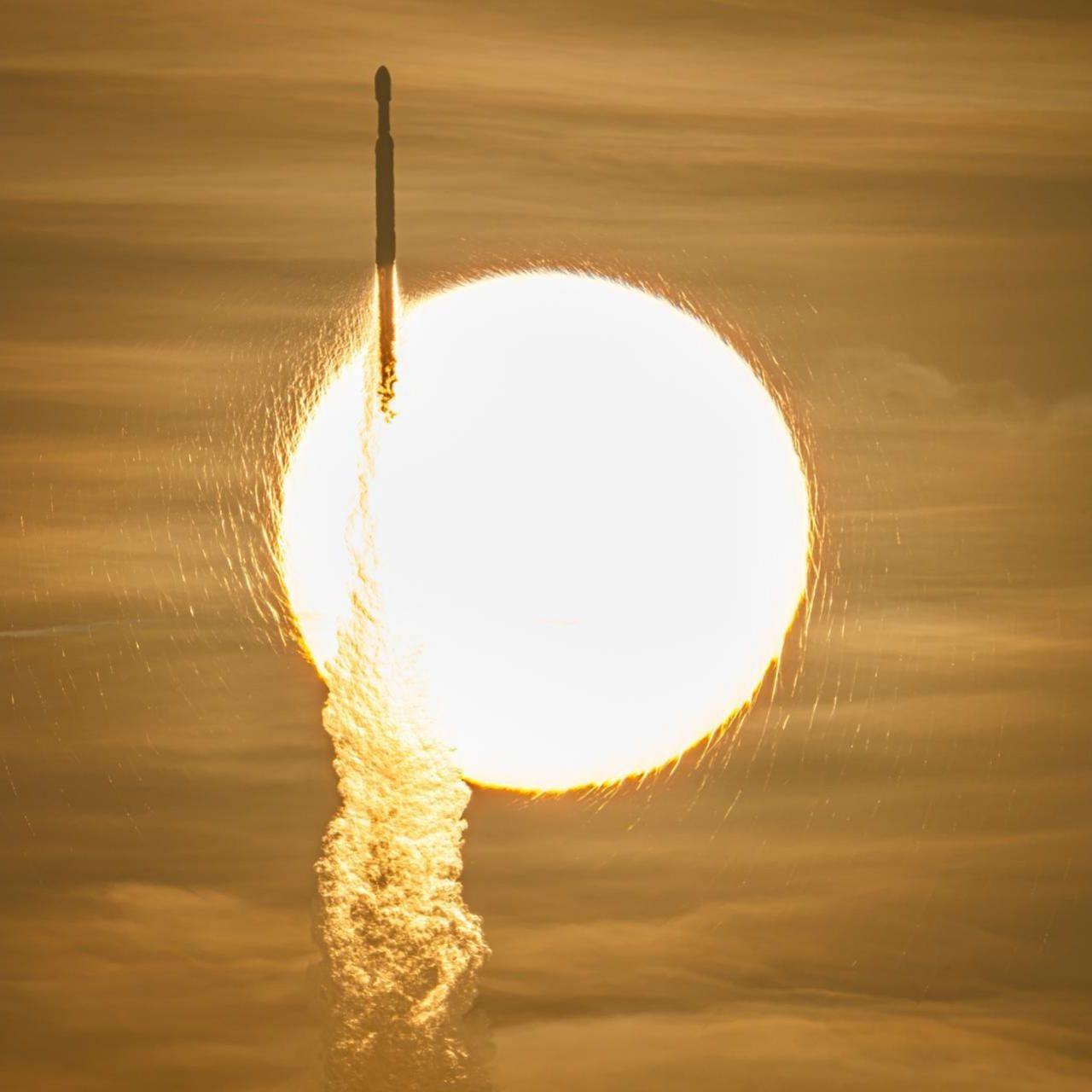
The Nancy Grace Roman Space Telescope blasted off Sunday morning from Launch Complex 40 at Kennedy Space Center in Florida aboard a SpaceX Falcon Heavy rocket. NASA says it will now chart planets beyond our solar system, probe dark energy and discover thousands of new exoplanets.
"Roman is going to change the way we look at the Universe," said NASA administrator Nicky Fox at the launch‑day press conference. The telescope will have a field of vision 100 times larger than both the Hubble and James Webb space telescopes, allowing it to survey a vast fraction of the sky in unprecedented detail.
Project manager Jackie Townsend described the launch as "glorious". "The ride was magnificent. It put us right where we wanted to be," she told reporters.
The Roman telescope is expected to operate for at least five years, with a target of ten. Its scientific goals include mapping billions of galaxies, studying black holes, and investigating the mysterious dark matter and dark energy that make up most of the Universe.
"With Roman, we are going to make this giant leap forward…that is going to allow us to look at these distant, distant worlds and start to really resolve the atmosphere around them to let us know if they could be habitable," Fox added.
NASA’s Nancy Grace Roman, the agency’s first chief astronomer in the 1960s and a pioneer in designing the Hubble telescope, was the namesake for the new observatory. The launch marks a major milestone in NASA’s exploration of the cosmos.