In brief
Iran's ongoing protests have taken a deadly toll, with hospitals overwhelmed by casualties resulting from live ammunition and pellet wounds. Medical professionals report instances of young people sustaining gunshot injuries to vital areas, leading to high fatalities. The unrest has prompted international responses, including warnings from the U.S. and condemnation from European leaders.
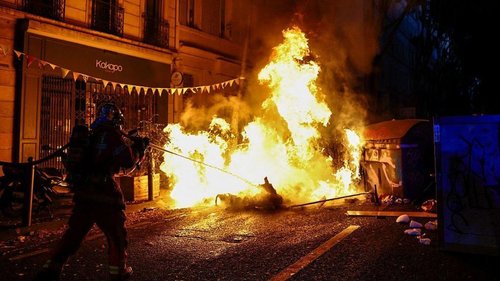
Staff at three hospitals in Iran have told the BBC their facilities are overwhelmed with dead or injured patients, as major anti-government protests continue. A medic at one Tehran hospital said there were direct shots to the heads of the young people, to their hearts as well, while a doctor said an eye hospital in the capital had gone into crisis mode.Two of the medical workers who spoke to the BBC said they treated gunshot wounds from both live ammunition and pellets. On Friday, the US repeated that killing protesters would be met with a military response. Iran blamed the US for turning peaceful protests into what it called violent subversive acts and widespread vandalism.Reacting to the latest developments, President Trump posted on social media: Iran is looking at FREEDOM, perhaps like never before. The USA stands ready to help!!! . The protests began in the capital Tehran a fortnight ago over economic hardship and have since spread to more than 100 cities and towns across all of Iran's provinces. Hundreds of protesters are believed to have been killed or injured, and many more detained. BBC Persian has confirmed the identities of 26, including six children. Members of the security forces have also been killed, with one human rights group putting the number at 14.BBC Persian has verified that 70 bodies were brought to Poursina Hospital in Rasht city on Friday night. The morgue there was at full capacity, so the bodies were taken away. The authorities asked the relatives of the dead for 7 billion rials (£5,222; $7,000) to release them for burial, a hospital source said.The BBC and most other international news organisations are unable to report from inside Iran, and the country has been under a near-total internet blackout since Thursday evening, making obtaining and verifying information difficult.A hospital worker in Tehran described very horrible scenes, saying there were so many wounded that staff did not have time to perform CPR. Around 38 people died. Many as soon as they reached the emergency beds... direct shots to the heads of the young people, to their hearts as well. Many of them didn't even make it to the hospital. The number was so large that there wasn't enough space in the morgue; the bodies were placed on top of one another. After the morgue became full, they stacked them on top of one another in the prayer room, she said.The hospital worker said the dead or wounded were young people. Couldn't look at many of them, they were 20-25 years old. A doctor who contacted the BBC via a Starlink satellite connection on Friday night said Tehran's main eye specialist centre, Farabi Hospital, had gone into crisis mode with emergency services overwhelmed.Non-urgent admissions and surgeries were suspended and staff called in to deal with emergency cases, he said. Iran's security forces often use shotguns which fire cartridges filled with pellets during confrontations with protesters. Another doctor from the city of Kashan in central Iran told the BBC many injured protesters had been hit in the eyes, and that his colleagues in hospitals across the city reported receiving many wounded people during Friday night's unrest. Thursday night produced similar accounts.A doctor at a medical centre in Tehran told the BBC: The number of injured people and fatalities was very high. I saw one person who had been shot in the eye, with the bullet exiting from the back of his head. Around midnight, the centre's doors were closed. A group of people broke the door and threw a man who had been shot inside, then left. But it was too late - he had died before reaching hospital and could not be saved.The BBC also obtained a video and audio message from a medic at a hospital in the south-west city of Shiraz on Thursday, who said large numbers of injured were being brought in, and the hospital did not have enough surgeons to cope with the influx.What footage is emerging from Iran shows protesters in Tehran taking to the streets en masse on Friday night, burning vehicles, and a government building set alight in Karaj, near the capital. The Iranian army has since said it will join security forces in defending public property. It follows reports that Iranian security forces were spread thin as the unrest extended throughout the country.Iranian authorities issued a series of coordinated warnings to protesters on Friday, with the National Security Council saying decisive legal action would be taken against armed vandals. Iranian police maintained that no one was killed in Tehran on Friday night, though they said 26 buildings were set on fire, causing extensive damage. An eyewitness who joined the protests on Thursday and Friday nights in Tehran told BBC Persian Television that Gen Z Iranians have been instrumental in encouraging their parents and older people to come out and join the protest marches, urging them not to be afraid.European leaders, including EU chief Ursula von der Leyen, condemned the violent repression against demonstrators while Iranian leaders remain defiant. Khamenei declared that the Islamic Republic will not back down in the face of opposition. The protests have been the most widespread since the 2022 uprising that resulted from the death of Mahsa Amini. With significant unrest persisting, analysts highlight potential for change much greater than previous demonstrations.