In brief
In a recent court hearing in Portland, Oregon, conservation groups and tribal representatives called for urgent changes to the operations of eight major hydropower dams affecting salmon habitats. The demand follows the collapse of a prior agreement intended to bolster salmon recovery efforts. Legal arguments highlight the critical state of salmon populations, with several species on the verge of extinction. Federal authorities counter that proposed changes could jeopardize dam operations and local economies.
PORTLAND, Ore. — Lawyers for conservation groups, Native American tribes, and the states of Oregon and Washington returned to court Friday to seek changes in dam operations on the Snake and Columbia Rivers. This comes in the wake of a significant collapse of a prior agreement aimed at recovering critically imperiled salmon runs.
Last year's agreement, which was upended by the Trump administration, would have pledged $1 billion over a decade to support salmon restoration and tribal clean energy initiatives. The White House labeled the efforts as 'radical environmentalism' and suggested they could lead to the breaching of key dams.
During the courtroom proceedings, U.S. District Judge Michael Simon remarked on the chronic litigation's repetition, noting the urgency of the situation. The plaintiffs argue the government’s current dam operations violate the Endangered Species Act and are detrimental to salmon populations.
The request includes lowering water levels and increasing spill at various dams to facilitate faster fish passage. Amanda Goodin from Earthjustice stressed the gravity of the salmon crisis: We are looking at fish that are on the cusp of extinction. This is not a situation that can wait.
However, the federal attorney countered that proposals for more spill do not guarantee improved outcomes for salmon. They warn that mandated changes could impair safe dam operation and potentially raise utility costs for consumers.
The legal struggle intensified after the Trump administration's withdrawal from the Resilient Columbia Basin Agreement, which had temporarily halted litigation. State and tribal representatives view salmon as essential to their cultural identity and daily sustenance.
Highlighted concerns reveal that the Columbia River Basin, once rich in salmon ecosystems, has seen populations dwindle drastically with four species now extinct and additional stocks threatened. The Biden administration's past intentions to restore these populations remain unfulfilled.
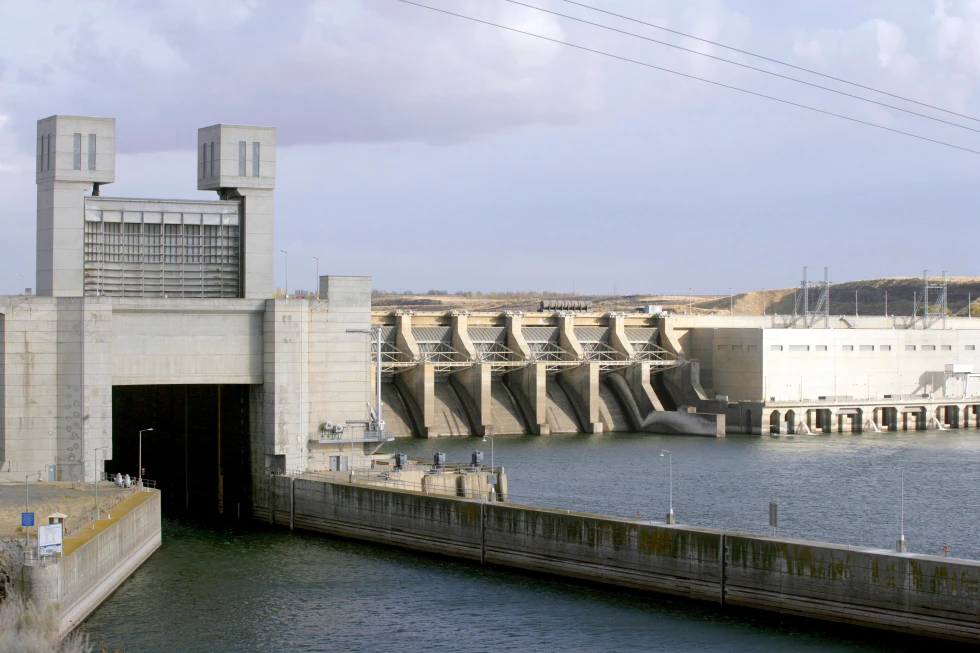
The dams in question include the Ice Harbor, Lower Monumental, Little Goose, and Lower Granite on the Snake River, along with Bonneville, The Dalles, John Day, and McNary on the Columbia. Tribal leaders and conservationists stress that maintaining salmon populations is crucial for future generations.