In brief
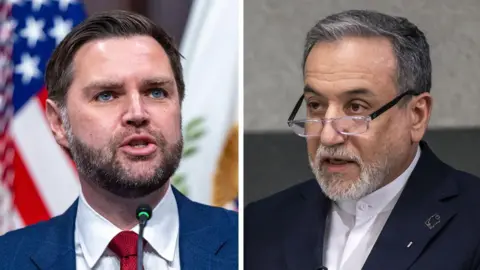
Negotiations between the US and Iran are set against the backdrop of significant challenges, including disputes over nuclear enrichment rights, regional alliances, and demands for sanctions relief. The upcoming talks in Islamabad, led by US Vice President JD Vance, are marked by cautious optimism but also warnings of potential failures if good faith is not maintained. Iran’s alliances, both militarily and economically strained by sanctions, pose additional hurdles to any agreement.
The venue is ready, the guards are in place and the curb along the approach road has received a fresh coat of yellow and black paint. Islamabad awaits.
As hosts of vital US-Iranian talks, the Pakistani government officials are making optimistic noises, emphasising that unlike many others, they enjoy the trust of both sides.
The man heading the US delegation, Vice President JD Vance, is also sounding upbeat. If the Iranians are willing to negotiate in good faith, he said before leaving the US, we're certainly willing to extend the open hand. But there was a warning too: If they're going to try to play us, then they're going to find the negotiating team is not that receptive.
It's fair to say that a whole mountain of obstacles lies ahead. The continuation of military actions by Israel against Iran's allies has prompted December warnings from Iranian president Masoud Pezeshkian that negotiations could become meaningless.
Another major issue at stake is the negotiation around the crucial shipping route of the Strait of Hormuz, which Trump accused Iran of obstructing despite earlier commitments. Furthermore, the longstanding nuclear dispute remains a core contention as both sides are bracing for tough discussions that could either bridge gaps or push them further apart.
Finally, Iran’s demand for sanctions relief and the release of frozen assets adds another layer of complexity to these delicate negotiations, underscoring the importance of trust and good faith if a breakthrough is to be achieved.