The venue is ready, the guards are in place, and the curb along the approach road has received fresh paint.
Islamabad awaits.
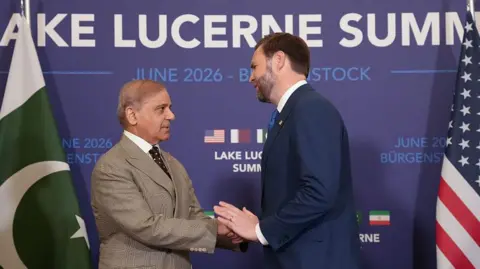
As hosts of vital US-Iranian talks, Pakistani officials are expressing optimism, claiming trust from both sides.
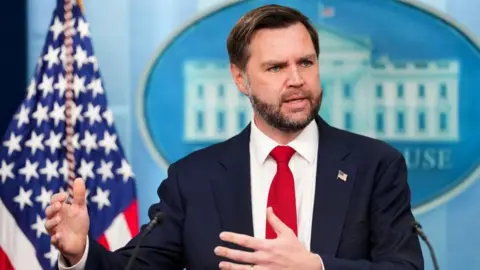
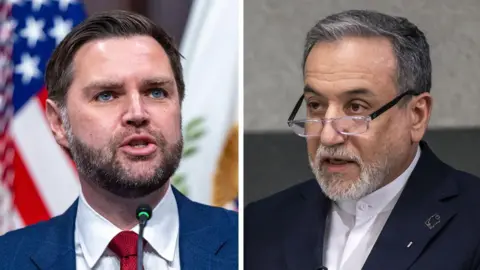
Vice President JD Vance is leading the US delegation, expressing willingness to negotiate in good faith. However, he warns that any attempts to manipulate the discussions could lead to an unyielding negotiating team.
Multiple challenges are poised to disrupt the talks:
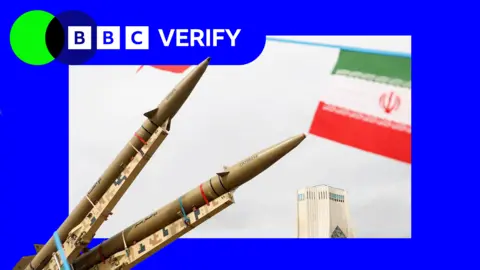
- Nuclear Policy: The most contentious issue relates to nuclear activities, with Iran insisting on its rights to enrichment for civilian purposes while the US demands an end to all such activities.
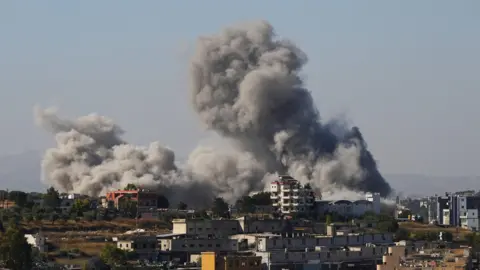
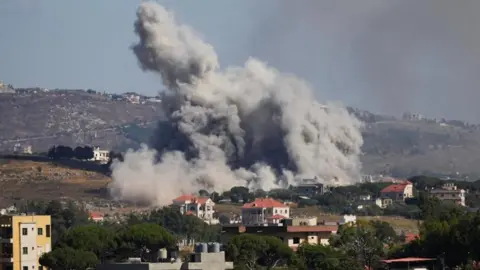
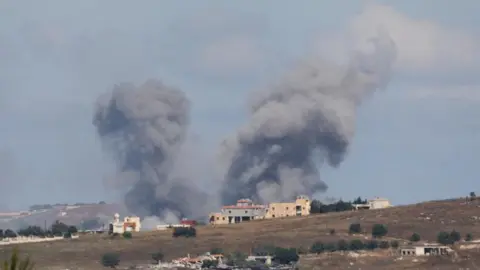
- Regional Allies: Iran's support for groups like Hezbollah and Hamas complicates negotiations, particularly in light of Israel's ongoing military actions against these groups.
- Sanctions Relief: Iran seeks the lifting of significant international sanctions and the release of $120 billion in frozen assets, a point which the US seems reluctant to concede.
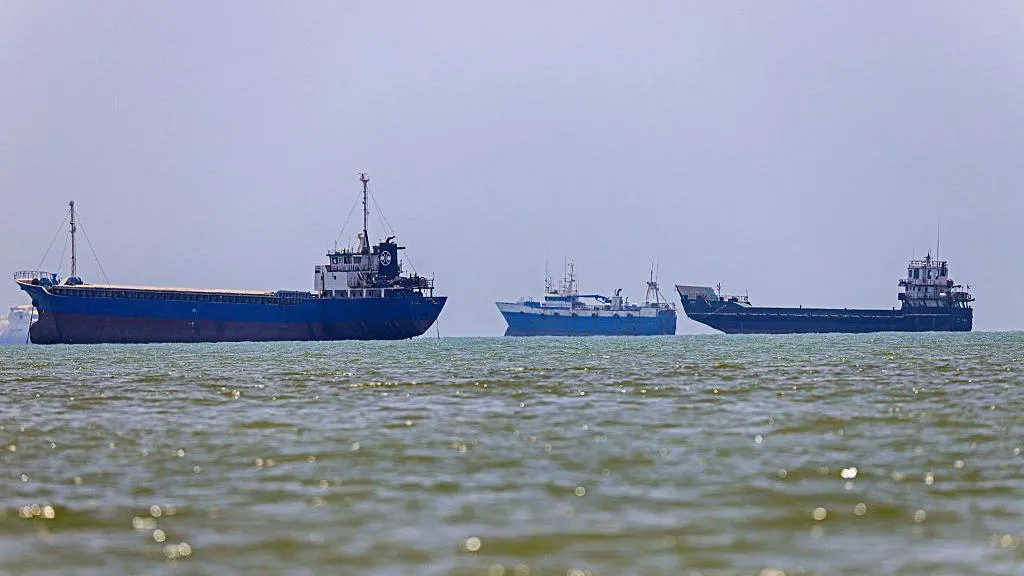
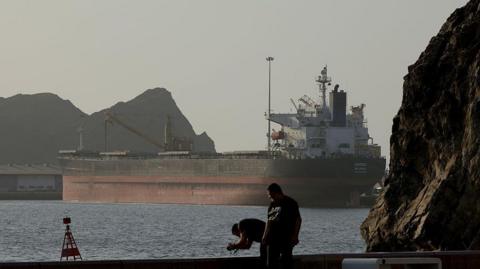
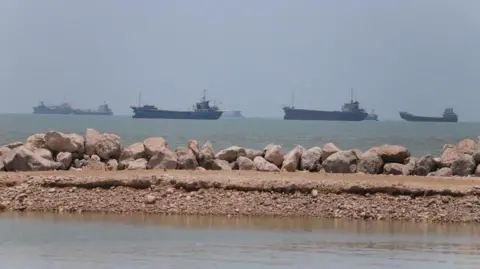
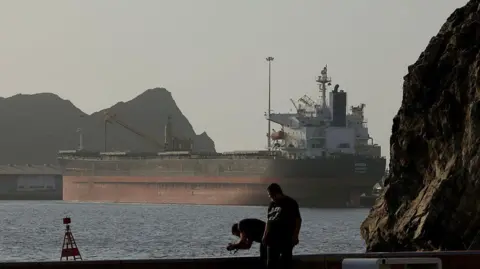
- Strait of Hormuz: The US accuses Iran of failing to facilitate safe passage of vessels in this vital shipping route, further straining relations.
- Iran's Influence: Despite internal economic pressures, Iran maintains its allegiance to regional allies, complicating any potential agreements.
The negotiations are cloaked in high stakes, with each country wary of the other's intentions and unwilling to yield on fundamental principles. As the dialogues continue, the international community watches closely to see if both sides can find common ground amid these formidable barriers.