In brief
In a long-awaited move, Indian officials have cleared hundreds of tonnes of toxic waste from the site of the Bhopal gas leak, which killed thousands in 1984. While the removal represents progress, activists warn of potential risks to health at the new disposal location and emphasize ongoing contamination in the region.
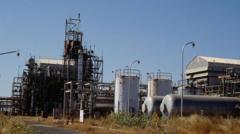
In a significant development, authorities in India have commenced the removal of hundreds of tonnes of toxic waste from the Union Carbide factory in Bhopal, a site infamous for the catastrophic gas leak that occurred 40 years ago. The tragic disaster in December 1984 led to thousands of deaths when deadly gas escaped, causing long-lasting health implications in the area. Just recently, approximately 337 tonnes of hazardous waste were transferred to an incinerator facility situated 230 kilometers (143 miles) from the original site, following a court mandate last month that imposed a four-week deadline for its disposal.Officials project that the incineration and treatment of the hazardous waste will take between three to nine months, although local activists voice serious concerns over the potential public health impact at the new facility. This waste included various hazardous materials such as pesticide residues and "forever chemicals," known for their persistent toxic properties that do not degrade in the environment.For decades, the toxic materials lay dormant within the closed-down factory, gradually contaminating nearby groundwater and posing a continuous threat to residents. A study conducted by the Indian Institute of Toxicology Research in 2018 revealed alarming levels of metal and chemical contamination in the groundwater across 42 residential areas close to the factory site.An order from the Madhya Pradesh state High Court on December 3 highlighted bureaucratic inaction in dealing with the waste for the past four decades, urging authorities to take immediate action. The waste removal process initiated on Sunday saw officials using leak-proof bags, which were subsequently loaded onto 12 sealed trucks under strict security measures.The trucking convoy transporting the waste was accompanied by a substantial safety presence, including police escorts and emergency response teams. Swatantra Kumar Singh, leading the relief and rehabilitation effort, assured the press that measures had been established to mitigate any potential pollution from the incineration process. However, local activists have raised alarms, recalling a trial incineration in 2015 that resulted in soil and water contamination.Rachna Dhingra of the International Campaign for Justice in Bhopal warned that the relocation of the waste might trigger a "slow-motion Bhopal" scenario at the new location. She emphasized that this recent transfer only represents a fraction of the overall contamination concerns, estimating that 1.1 million tonnes of hazardous materials continue to affect Bhopal's groundwater.Efforts to manage the toxic waste have faced numerous delays and pushback from community activists throughout the years. Previous proposals to incinerate the waste in other regions have been scrapped due to public unrest. The Bhopal gas tragedy remains etched in history as one of the world’s worst industrial disasters, having claimed approximately 3,500 lives shortly after the gas leak, with over 15,000 additional deaths attributed to long-term effects. Activists contend that the true death toll is even higher, as lingering health issues persist among survivors.While the Indian government received $470 million from Union Carbide in a settlement after the disaster, many victims and advocacy groups continue to fight for justice and accountability, arguing that the consequences of this industrial catastrophe still plague those affected.