In brief
Shoko Kawata, 35, became Japan’s first mayor to announce maternity leave. Her two‑month, six‑month break above the mid‑September due date drew widespread online scrutiny, questioning whether public officials can balance family life. Supporters applaud the move as a step toward gender equality, while critics demand resignation or salary cuts. The case highlights Japan’s low female representation in local government and the absence of legal frameworks for elected officials’ maternity leave. Kawata and deputy Shigeto Nose plan a smooth transition, hoping to prove that public service and parenting can coexist.
Shoko Kawata, the 35‑year‑old mayor of Yawata, announced she would take maternity leave two months before and two months after her mid‑September due date, setting a historic precedent for Japan’s local officials. The decision sparked intense online debate, with thousands of X posts and several YouTube videos debating whether elected officials should pause work for child‑bearing.
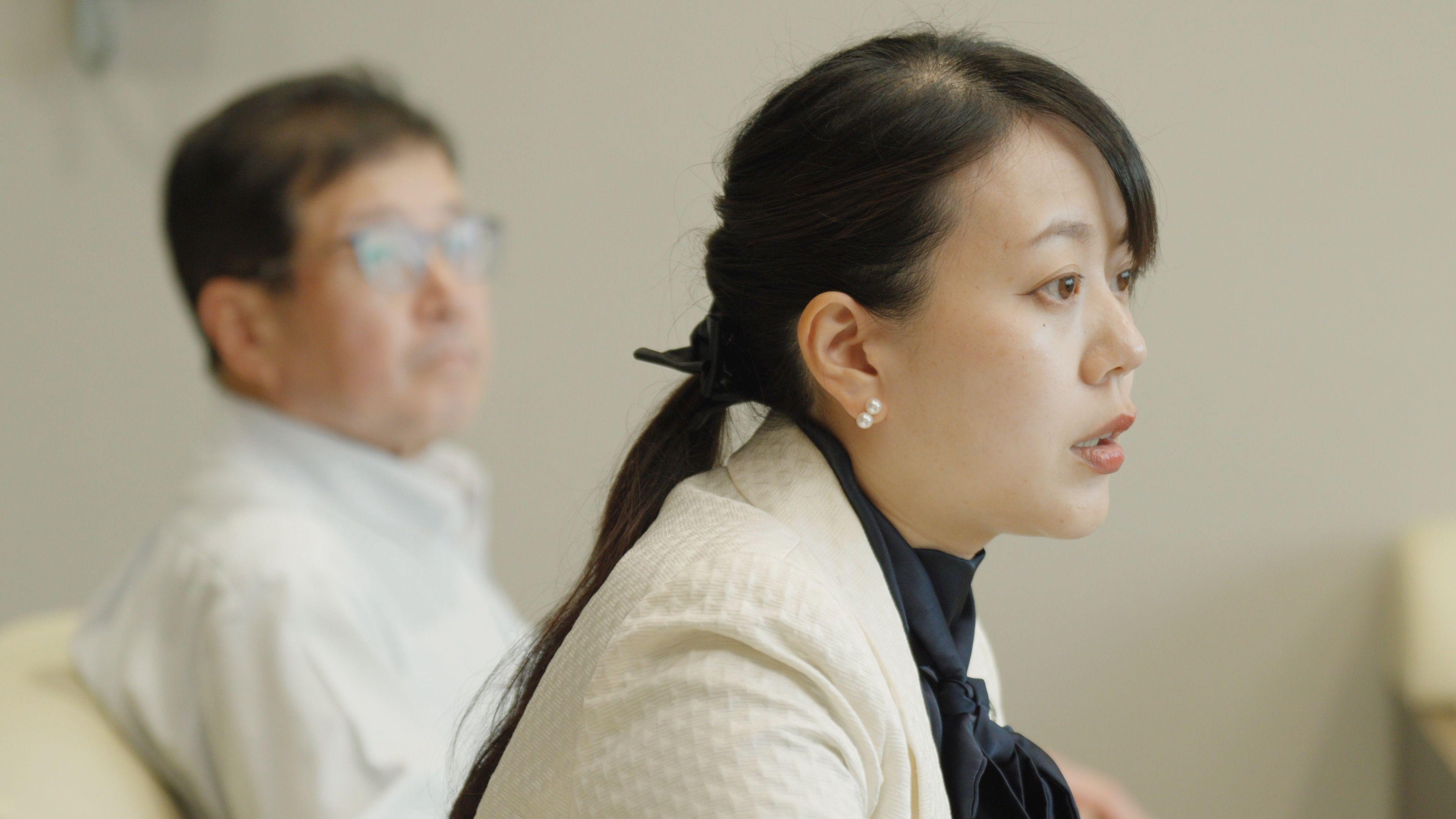
Kawata said she had expected only mild reaction but was surprised by the media storm. On a city hall meeting‑room video, she explained that her deputy, 62‑year‑old Shigeto Nose, would step in during her absence, a move praised by colleagues for its transparency but criticized by some who view public office as a demanding, lifelong commitment.
Japan’s gender‑gap lag is stark, with the World Economic Forum ranking the nation 118 out of 146 in 2025 and only 4% of municipal leaders being women. Kawata, who graduated from Kyoto University and rose through a male‑dominated political system, hopes her example will encourage more women to pursue public office while maintaining families.
The case has exposed the lack of legal frameworks for elected officials’ maternity leave. While standard statutory leave runs six weeks before and eight weeks after birth, no specific provision exists for municipal leaders, leaving questions over pay, continuity, and crisis management.
Kawata responded to critics by saying “If we dislike politicians taking maternity leave, we are effectively excluding all women capable of pregnancy from public office.” She stresses the need for a society that normalises balancing work and family life, hoping her family’s journey will inspire constructive policy discussions on maternity leave in local government.