Japan racing against time to rescue those trapped by Kyushu earthquake
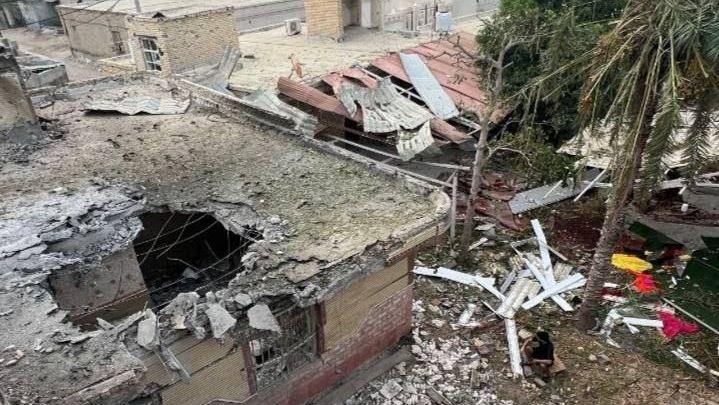
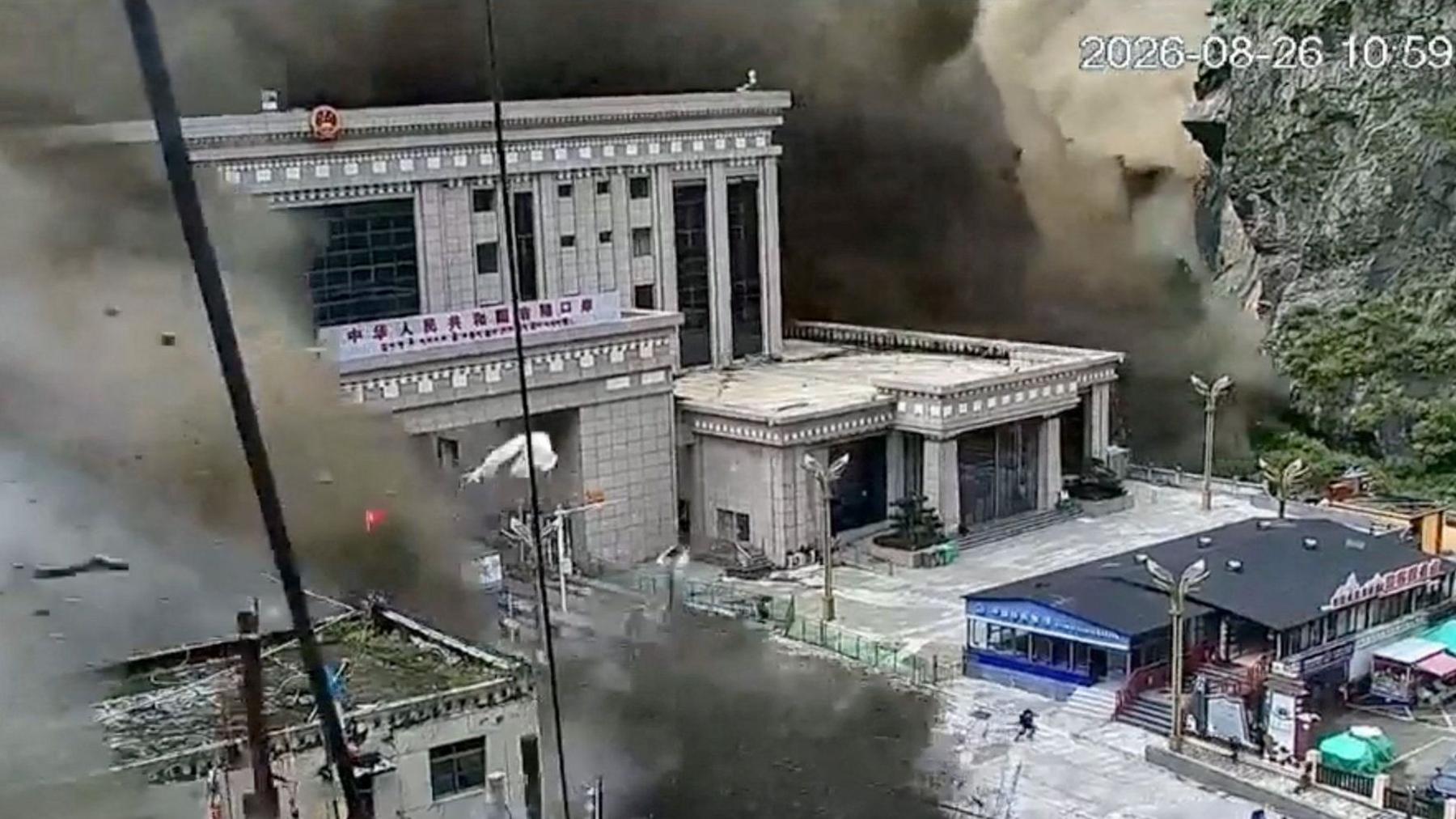
On Tuesday, a 6.8‑magnitude earthquake rocked the island of Kyushu, shattering buildings and burying residents under tons of rubble. As emergency teams flood the scene, they are racing against a tight deadline to locate survivors before the weak foundation of collapsed structures gives way.
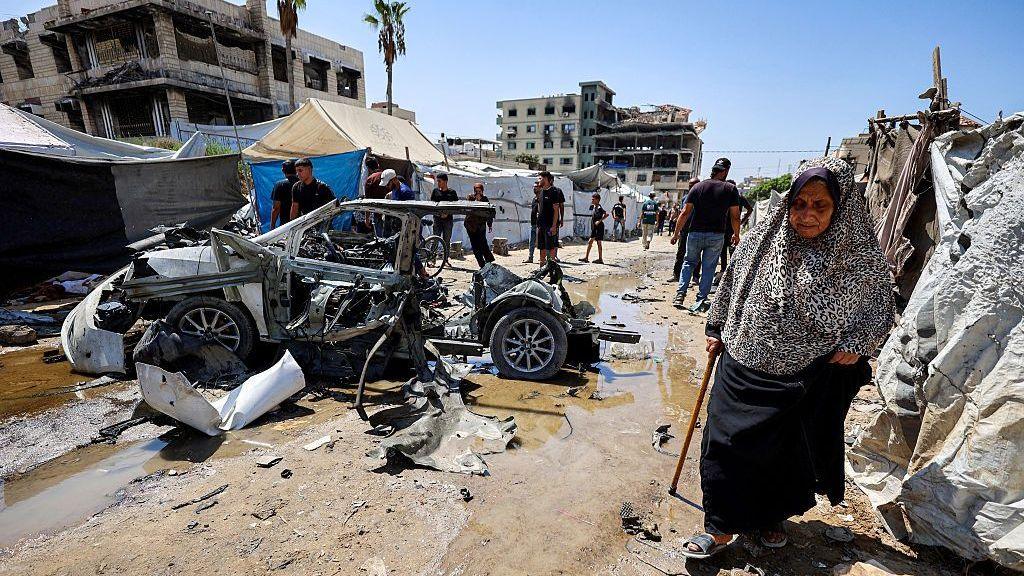
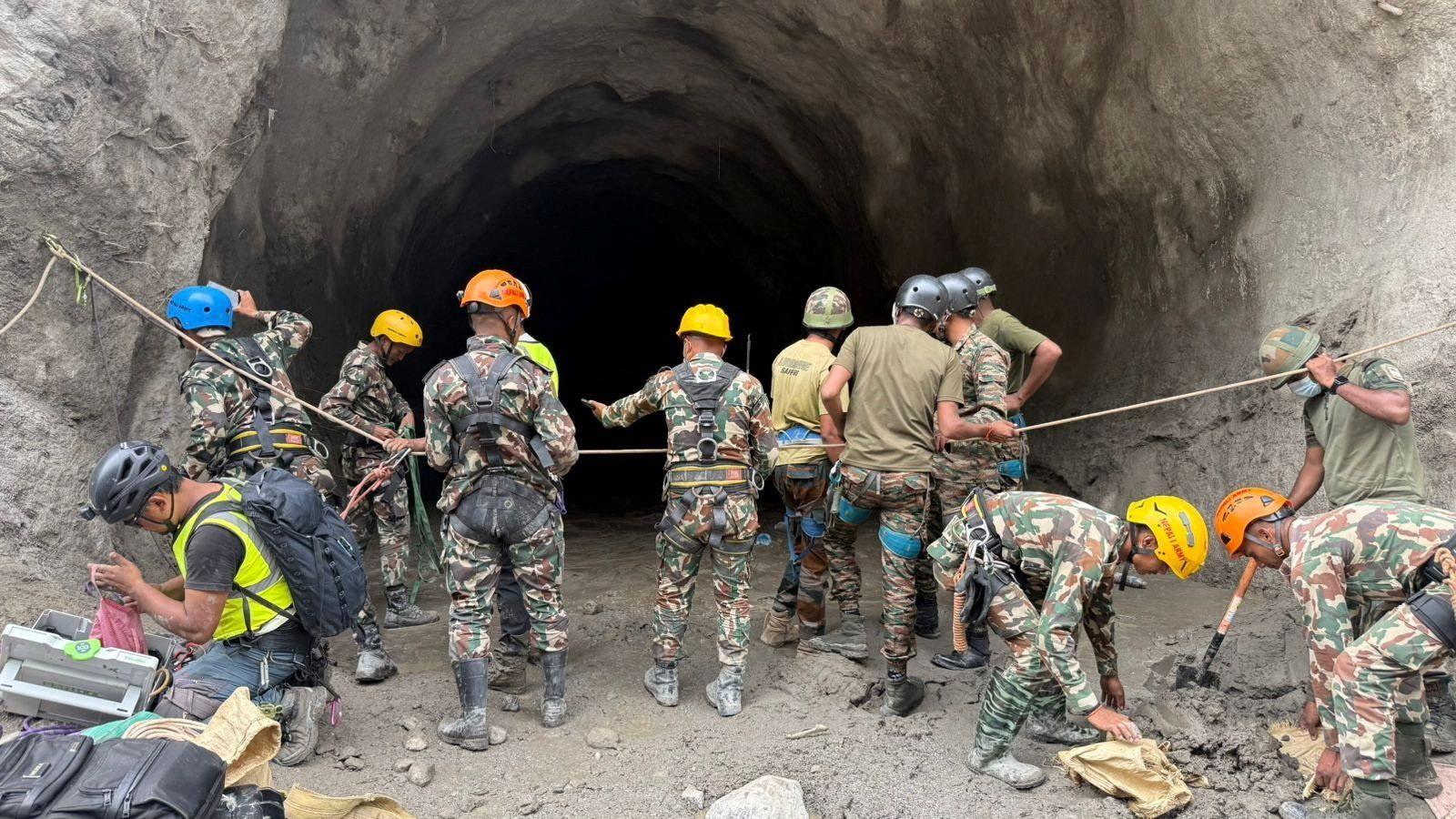
So far, 13 people have been confirmed dead, with several others missing and thousands more displaced from their homes. The Japanese government has mobilised coast guard and fire‑fire teams, along with specialised search‑and‑rescue units, to undertake the arduous task of sifting through debris.
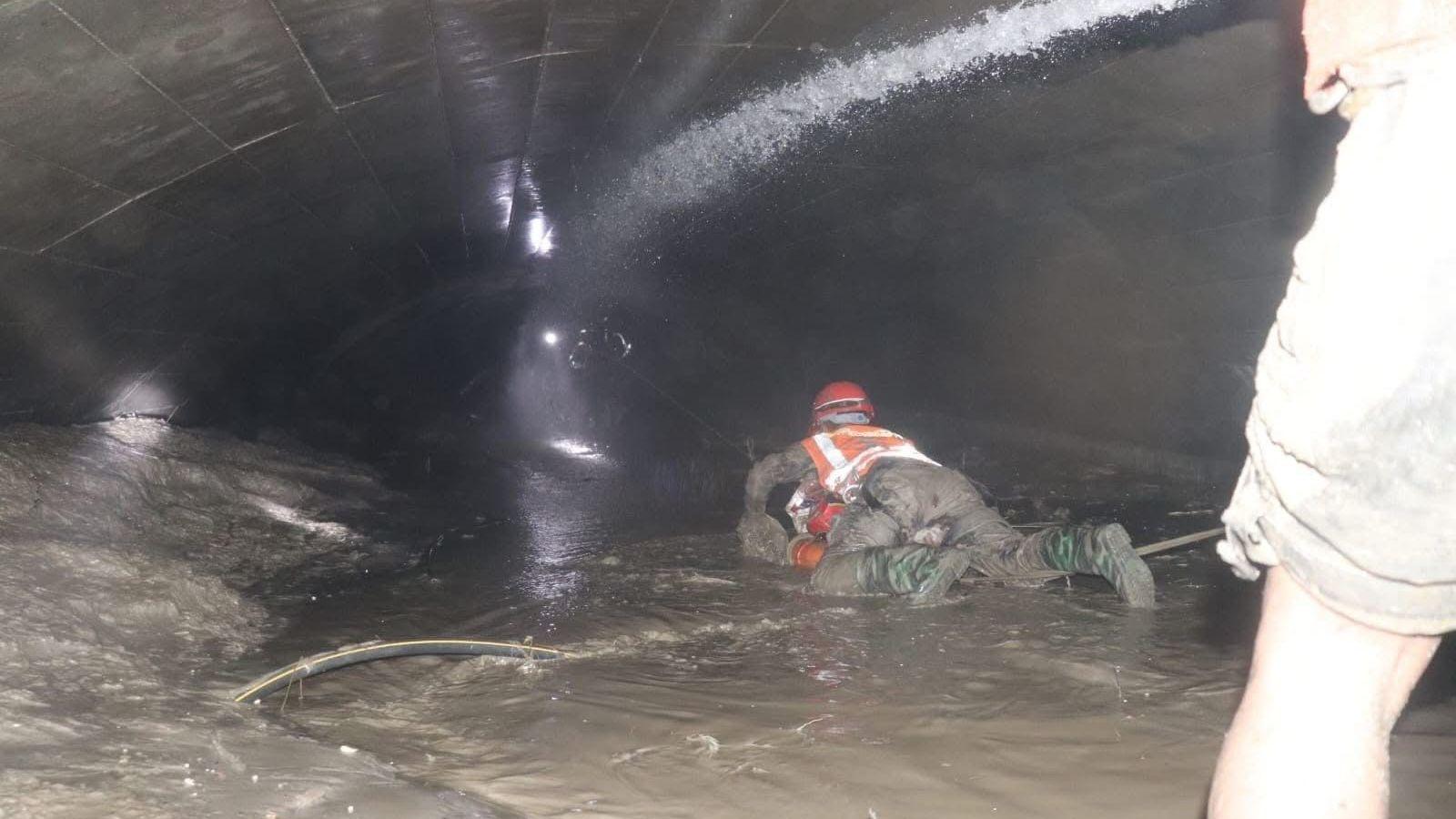
Rescue crews are working around the clock during day and night, using both helicopters and ground vehicles to reach buried areas. The operation is especially perilous because the earthquake has weakened the structural integrity of many buildings, increasing the risk of secondary collapses.
Analysts warn that the death toll could rise as more victims are discovered and the full extent of damage unfolds. Meanwhile, the Japanese Meteorological Agency has issued aftershocks warnings, adding to the urgency of the rescue operations.
Local authorities have set up temporary shelters for displaced residents, providing food, water, and medical care. Communities across Kyushu have come together, volunteering to support the official response, which has been praised for its rapid deployment and coordinated approach.