In brief
The International Atomic Energy Agency reveals alarming increases in Iran's uranium stockpile, raising fears about potential nuclear weapon capabilities.
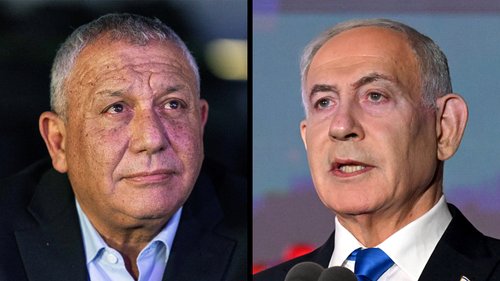
Iran has markedly ramped up its production of highly enriched uranium, prompting serious concerns from the International Atomic Energy Agency (IAEA), as outlined in a confidential report obtained by the BBC. The IAEA disclosed that Iran’s stockpile now exceeds 400kg of uranium enriched to 60% purity—far surpassing levels intended for civilian use and nearing weapons-grade material, representing an approximate 50% increase within just three months. This quantity could potentially be refined to create around 10 nuclear weapons, positioning Iran uniquely as a non-nuclear-armed state capable of such uranium enrichment.Despite Iran's long-standing assertions of the peaceful nature of its nuclear program, the IAEA stated it cannot validate these claims. The report also indicates that during the recent nuclear negotiations with the US, Iran has produced highly enriched uranium at a staggering rate, equivalent to nearly one nuclear weapon monthly. IAEA Director General Rafael Grossi remarked on the alarming uptick in uranium production, which lays the groundwork for the US and European allies to assess Iran's non-proliferation commitments.In response to the IAEA's findings, Israeli Prime Minister Benjamin Netanyahu accused Iran of demonstrating a clear intent to acquire nuclear weapons, underscoring that such high levels of enrichment carry no civilian justification. Iranian Foreign Minister Abbas Araghchi countered, declaring that nuclear weapons are "unacceptable" to Tehran, insisting on their commitment to a peaceful program.The latest IAEA assessment, significantly more comprehensive than prior reports, also spotlighted troubling revelations about Iran’s historical nuclear activities, including clandestine operations up until the early 2000s. The agency claimed Tehran conducted unreported nuclear activities at three previously undisclosed sites—Lavisan-Shian, Varamin, and Turquzabad.Despite ongoing negotiations since April, which on many fronts have shown optimism, key issues remain unresolved, particularly the extent to which Iran can continue uranium enrichment in any forthcoming agreement. Iran maintains that its nuclear endeavors are strictly peaceful and denies attempting to develop nuclear weapons. However, the IAEA’s judgment that it "cannot verify" Iran’s nuclear intentions stems from Tehran's refusal to grant full access to inspectors and its ongoing non-responsiveness regarding inquiries into its nuclear history.Statements by advisors to Supreme Leader Ayatollah Ali Khamenei suggesting potential reconsideration of Iran's anti-nuclear weapons stance, should international pressure escalate, have heightened fears among Western diplomats, fueling anxieties that Iran may be moving closer to achieving threshold nuclear capabilities.The IAEA board is slated to convene soon to deliberate on subsequent measures, amid rising international pressure for Iran to comply with inspections and restore adherence to nuclear non-proliferation protocols. Consequently, these developments may lead to a referral to the UN Security Council, although this action is anticipated at later board meetings, as noted by diplomats.