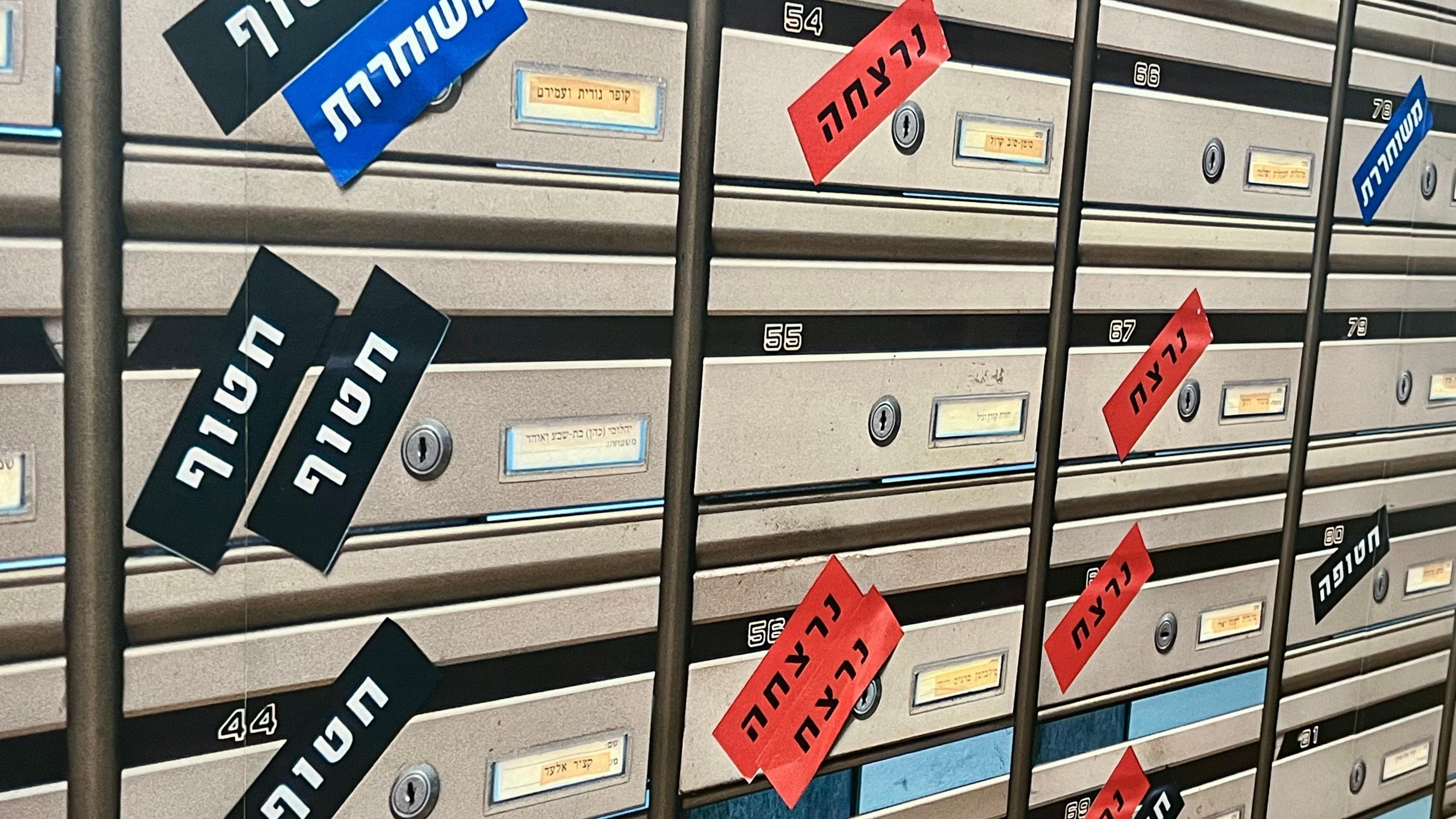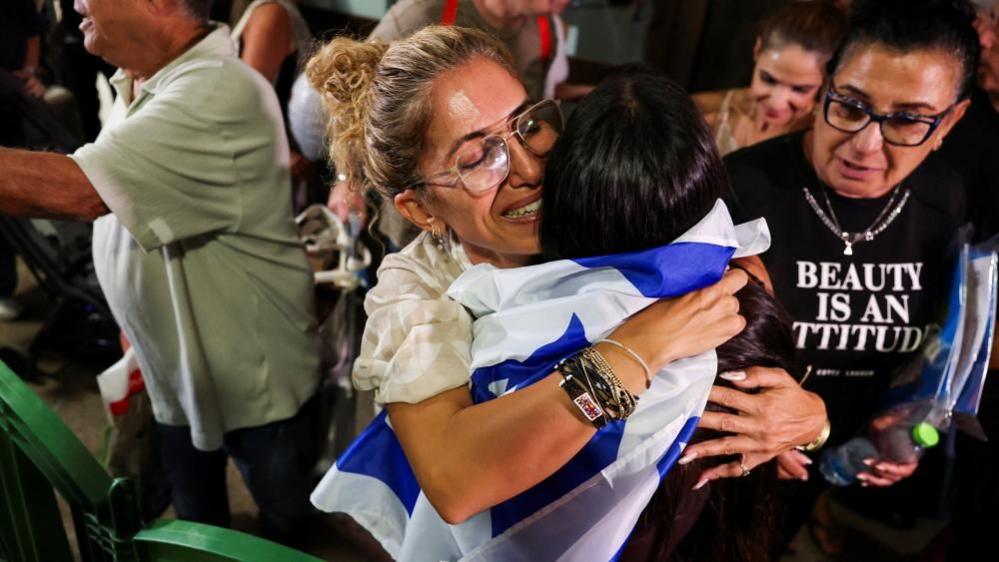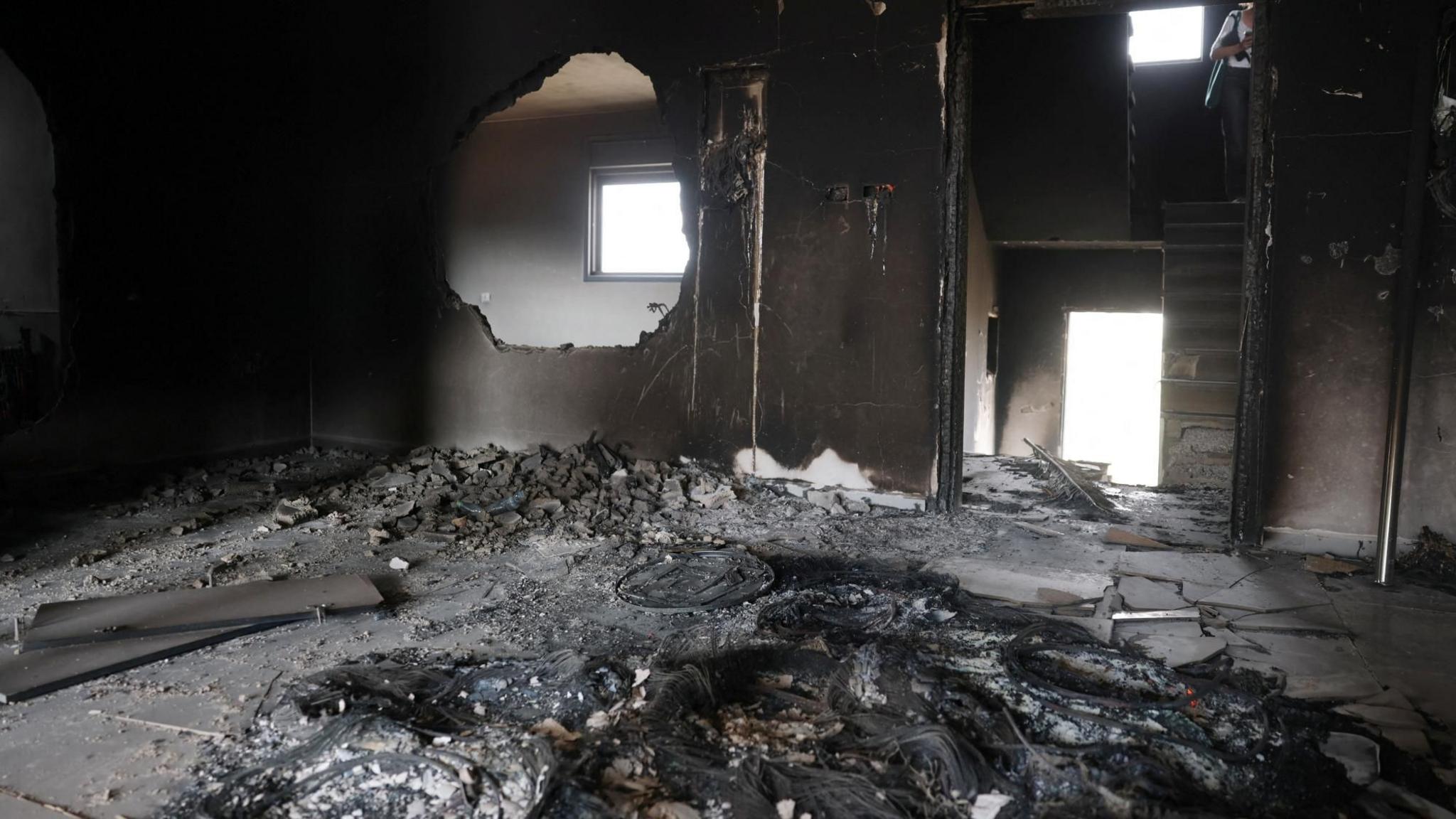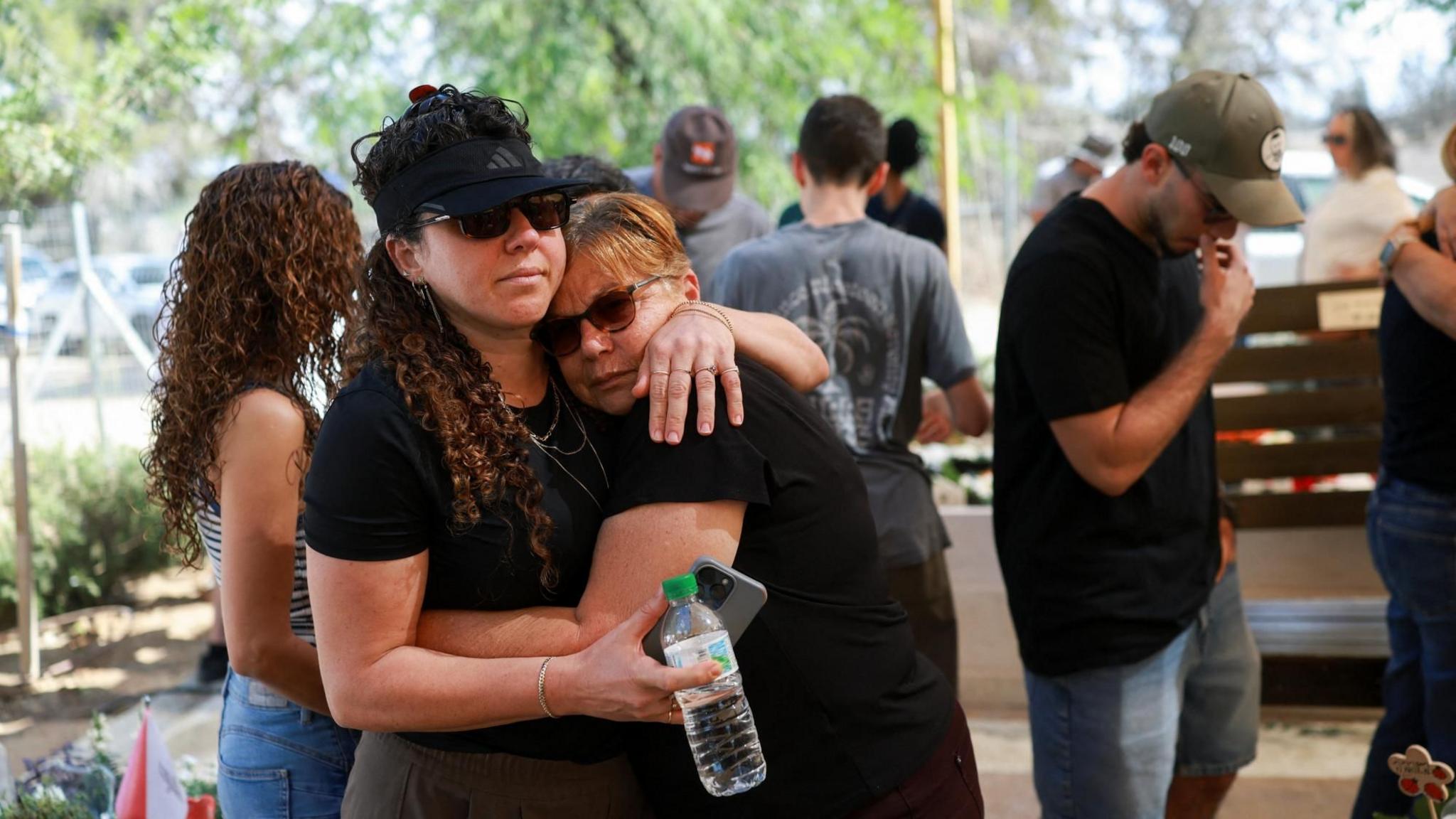
Waves of grief echo through the streets of Kfar Aza tonight as residents gather around a memorial to honour the 64 dead and 19 hostages taken on 7 October. The sky lifts gradually as candles flicker, reflecting the city’s lingering sorrow.
Inbar Goldstein, whose brother and niece fell that day, climbed the dais and demanded the country take responsibility: "I need my country to take responsibility," she declared, her voice echoing across the plaza.
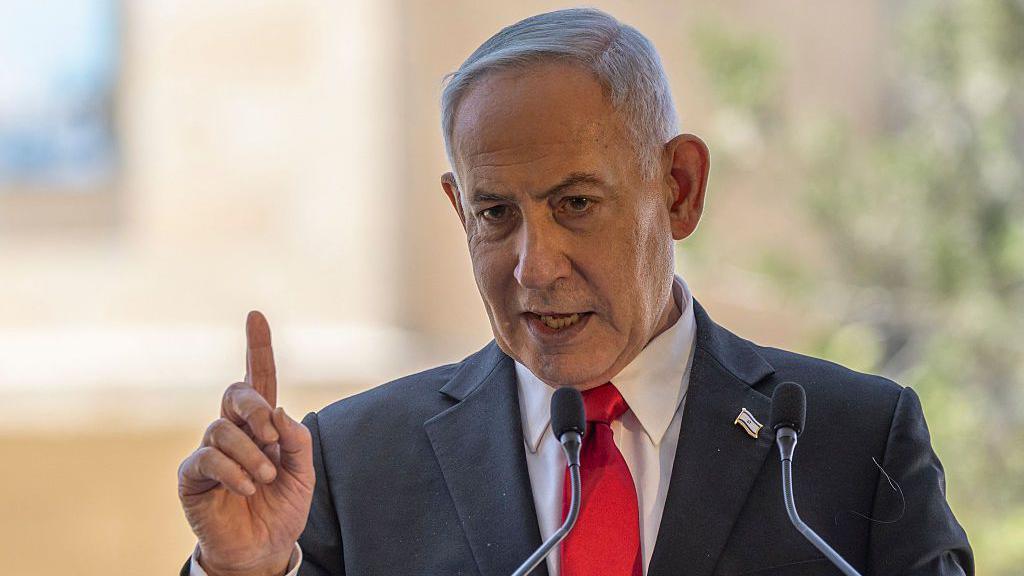
Three years after the deadliest strike since Israel was founded, no independent inquiry has clarified how the attacks slipped past intelligence and security. Prime Minister Benjamin Netanyahu, who promises a renewed security strategy, has shunned accountability and announced a political commission rather than a court‑led investigation.
The issue has become a focal point of the upcoming election. Netanyahu’s opposition, drawn to his claim of strengthening Israel, faces critics who say his refusal to admit failure endangers the nation.
Across Tel Aviv, protesters hold banners and petitions demanding a state commission. Opponents cite leaked diplomatic warnings from the UAE months before the offensive—stories Netanyahu has called a lie—and urge the Supreme Court to step in. Without a formal inquiry, many Israelis feel compelled to vote on an unresolved tragedy that could shape policy for years to come.