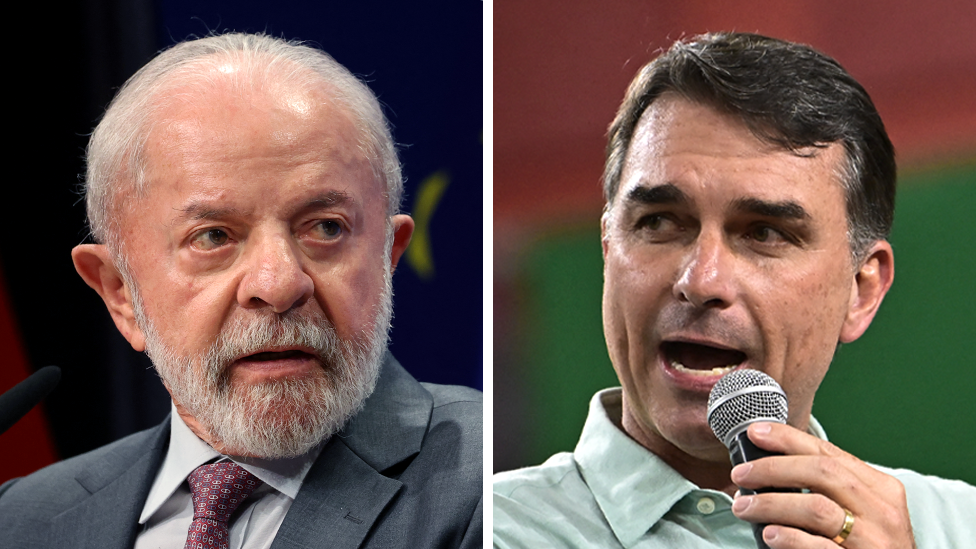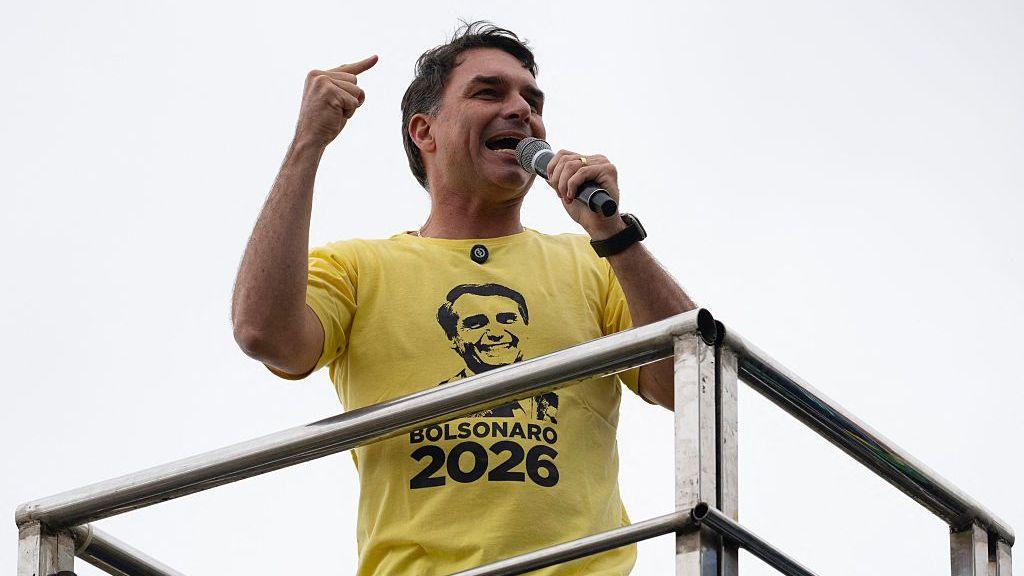

Flávio Bolsonaro has taken a decisive lead in the first round of Brazil’s presidential election, riding a surge of right‑wing sentiment that has swept across Latin America. He secured 56.1 million votes – just 2.3 million more than his left‑wing rival Luiz Inácio Lula da Silva, who trailed with 53.8 million.
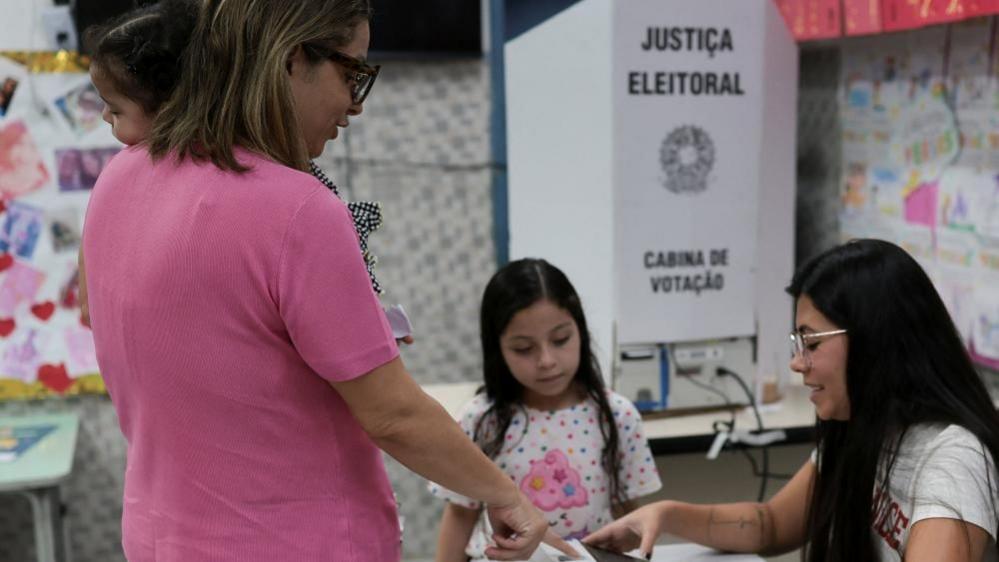
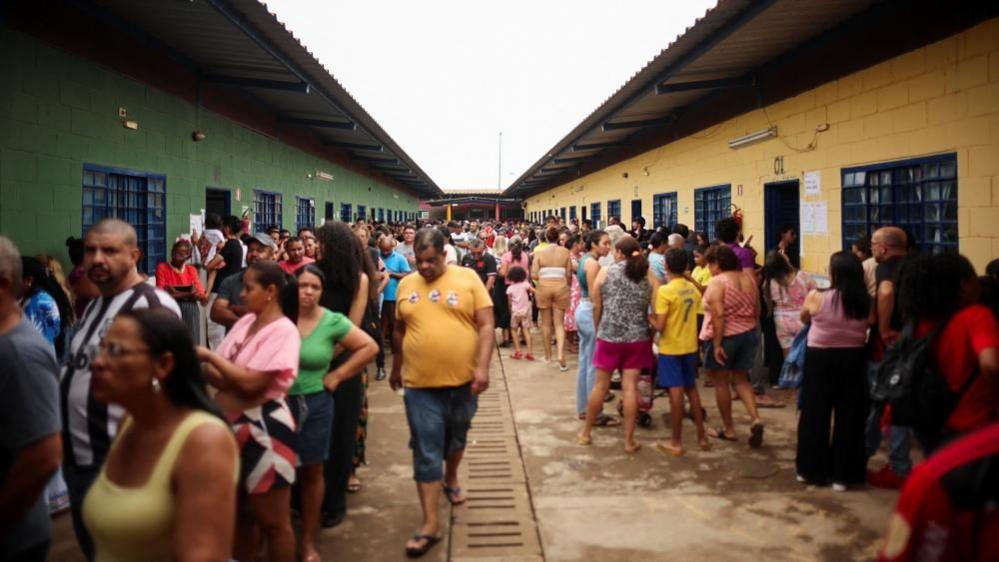
The result, however, did not deliver an outright majority, meaning the contest will return to the polls for a second round later this month. Analysts note that Lula, who has historically faced an uphill battle from the first round, now requires an unprecedented comeback to overturn the deficit.
Bolsonaro’s appeal may hinge less on personal popularity and more on a wave of rejection against Lula. A Datafolha poll on election eve found both men facing a 45% rejection rate, but Lula’s disapproval jumped to 49% in a later survey, while 48% of voters approved of him.
Other catalysts include Bolsonaro’s criticism of the Supreme Court and high‑profile scandals such as the Banco Master corruption case. The Senate performance mirrored his victory, with the Liberal Party’s seats rising from 15 to 28, and members of the Bolsonaro family – including wife Michelle and son Carlos – landing new Senate seats.
The challenge lies ahead: both campaigns will be forced to concentrate on independent voters who remain undecided or can be swayed. Whether Lula can turn the tide remains uncertain, but the emboldened right‑wing bloc has consolidated itself as a formidable force in Brazilian politics.