In brief
As the Iranian national soccer team prepares for its World Cup debut, Iranians living abroad find themselves in a moral quandary over how to support the team amidst the country's ongoing political repression and unrest. Many fans express conflicting emotions, with some planning to protest while others are uncertain about their support due to the players' silence during crucial events in Iran. The uncertainty looms large not only over their sentiments but over the team's participation in the tournament, given the current geopolitical tensions.
STONY BROOK, N.Y. (AP) — With Iran qualifying for the World Cup, Arad Ershad had visions of splurging on flights and tickets to attend one of the team’s first-round matches in Los Angeles. But that changed when Ershad, a New York graduate student who grew up in Tehran, saw the silence from players he adored as atrocities unfolded back home.
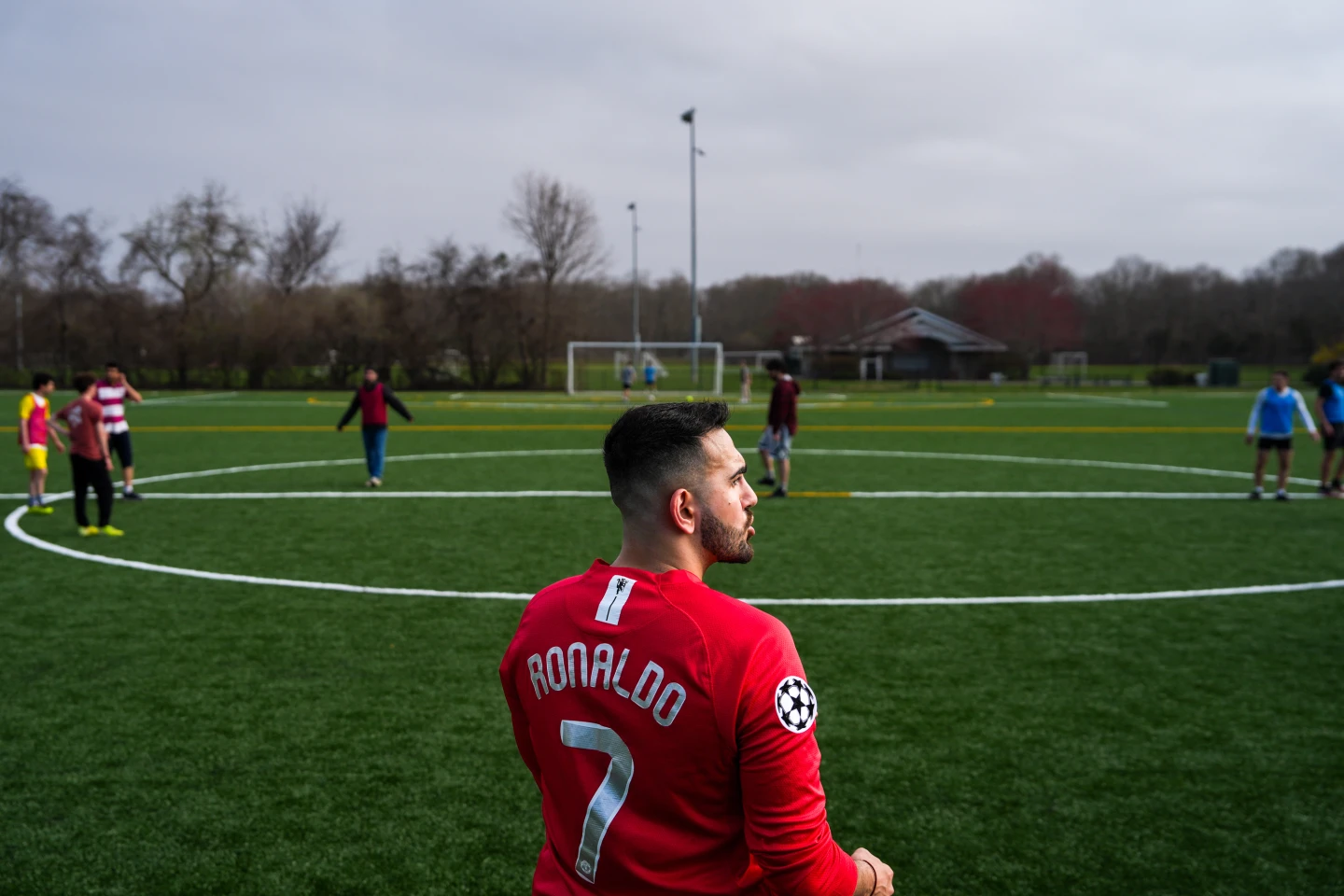
Ershad expressed disappointment: “It feels so bad that I do not want them to succeed. They were like my icons, my legends,” he lamented at a soccer game in Long Island, questioning how they could remain silent amidst the Iranian regime's violent crackdown on protests this year.
As the Iranian diaspora awaits their national team's performance at the World Cup, emotions vary widely. Some view the players as complicit in government actions and plan to boycott the event, while others still wish to support Iran’s participation, albeit with a rousing protest. Others aim to enjoy the sport by putting politics aside.
With looming geopolitical tensions, there are concerns whether Iran will even participate. Iranian officials have raised doubts about the team's involvement amid military conflicts with the U.S. and Israel. Recently, FIFA officials reaffirmed the commitment to the schedule, despite calls to move matches due to safety concerns.
Ershad, grappling with his sense of national pride, made it clear that his support hinges on the political situation in Iran. If there is no significant change before the tournament, he may root for other teams, expressing his conflicted feelings: “It’s so hard to not cheer for your national team, but let’s go Portugal.”