In brief
Recent footage of young women cursing during a nationwide protest has sparked a heated debate over whether profanity is judged differently when spoken by women. Prime Minister Narendra Modi’s remark that seeing women swear was a “culture shock” prompted Opposition MP Rahul Gandhi to accuse the ruling party of patriarchy. Social media backlash put a 15‑year‑old girl under surveillance, while police crack‑downs and hate messages exposed the darker side of the controversy. Amid growing calls from activists, journalists, and ordinary citizens, the discussion reflects deep‑rooted gender norms and the role of profanity in protest
A string of protests led by the youth‑driven Cockroach Janta Party (CJP) saw young women use profanity against the government. Prime Minister Narendra Modi called it a “culture shock,” sparking outrage and a sharp reply from Opposition MP Rahul Gandhi. The debate has unfolded on social media, in parliamentary speeches, and in classrooms across India.
CJP protests and the profanity spark
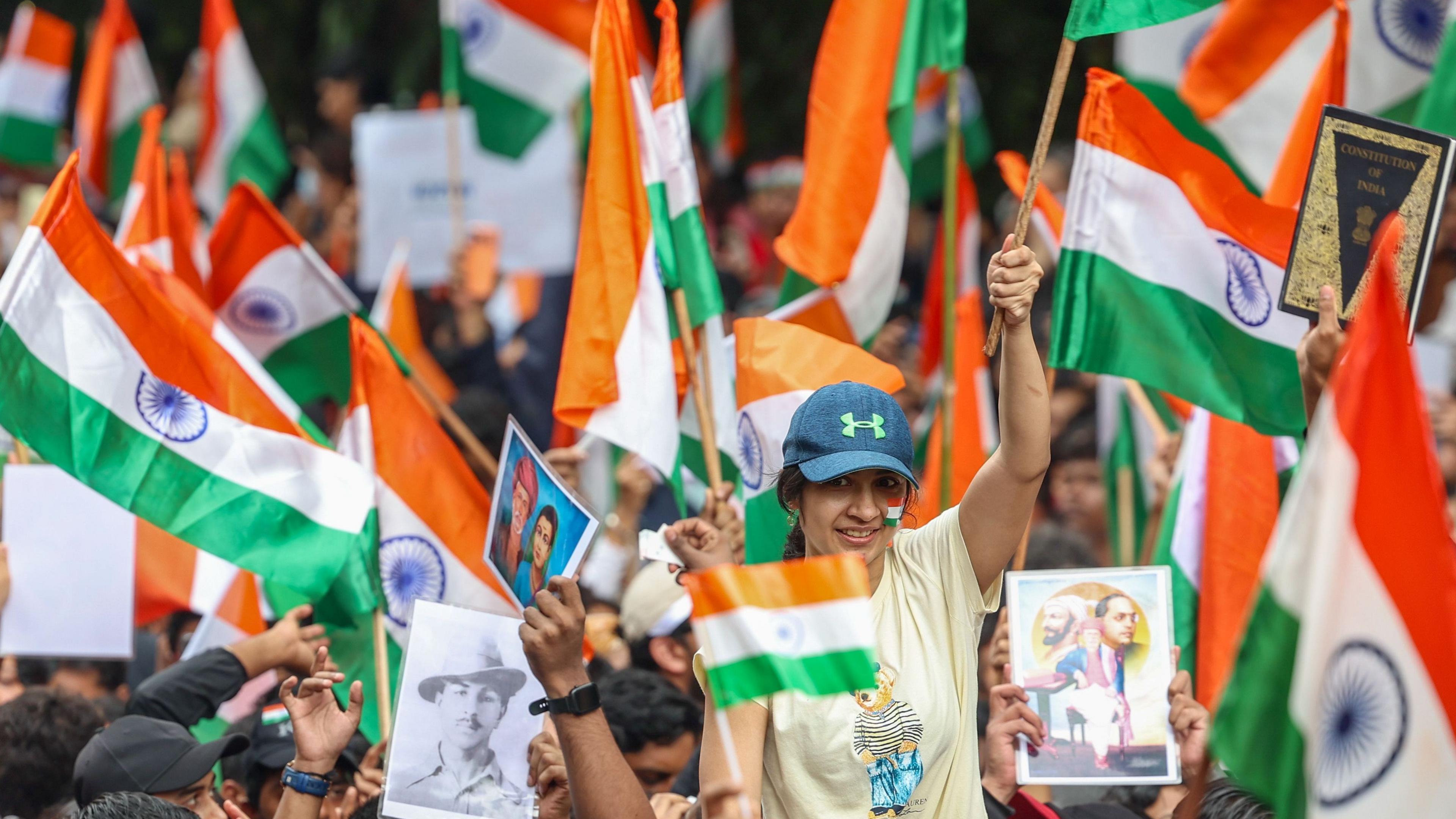
The 35‑day sit‑in campaign at Jantar Mantar in Delhi culminated on 25 July. Protesters focused on education reform, but the rhetoric turned harsh. Women in the crowd repeatedly used the most offensive words aimed at the Prime Minister and other officials. The backlash was swift: supporters of Modi’s party accused the women of “crossing the line,” while critics argued that the protest itself was an over‑reach.
Modi’s “culture shock” and Rahul Gandhi’s counter‑attack
After a selfie video, Modi stated that the assault was a “culture shock” and that women should not use such language. He later added that young people “make mistakes” and that he is “concentrating on correcting them.” However, he never commented publicly on the police crackdown—nearly 100 people were arrested on allegations of violent violence and multiple threats, including rape claims.
Rahul Gandhi highlighted that both men and women in the protests used profanity. During an event for students in Pune on the weekend, he accused Modi of building a patriarchal narrative that singles out women for criticism. “If boys swear there is no problem. But if a girl swears it is a cultural shock,” he told the gathering, urging the politics to “smash patriarchy.”
The teenager at the centre of the controversy
A 15‑year‑old girl was swept into the mael‑strom when social media trolls sent her hate‑filled messages and threats after her group’s videos surfaced. She posted an apology video, claimed it had been removed, and said she still felt “deeply disturbed.” Her mother, a lone parent, says the family had to move homes multiple times because of the danger.
Voices from outside the podium
Journalist Namita Bhandare added that “double standards” exist; women use profanity in many contexts and politicians, including the PM himself, have used slurs against women. She cited examples such as “Jersey cow” and “50 crore ki girlfriend” as ways the government has “shown disrespect toward women.”
Social activist Sunil Jalan, who runs a “Gali Bandh Abhiyan” since 2014, says the real issue is the use of profanity, not gender. His NGO surveyed 70,000 participants across 28 states and found that 55% were able to admit to using foul language. The “Gali Map” of India showed high prevalence in the north—Delhi 80%, Punjab 78%, Uttar Pradesh 74%—and lower rates in the south.
Sociologist Shiv Vishwanathan points out that “the use of expletives is a symptom of a deeper breakdown of democracy.” He notes that profanity in Parliament and courts signals “a decline of argument” and “lack of respect.”
What the debate signals for Indian politics
The controversy has amplified the conversation about gender expectations in public speech, the influence of social media, and rising vulgarity in everyday discourse. Meanwhile, a new community of activists is emerging, hoping to steer the debate toward respect while refusing to suppress freedom of expression. For now, the debate remains a flashpoint for how far India is willing to go in redefining the limits of protest language.