In brief
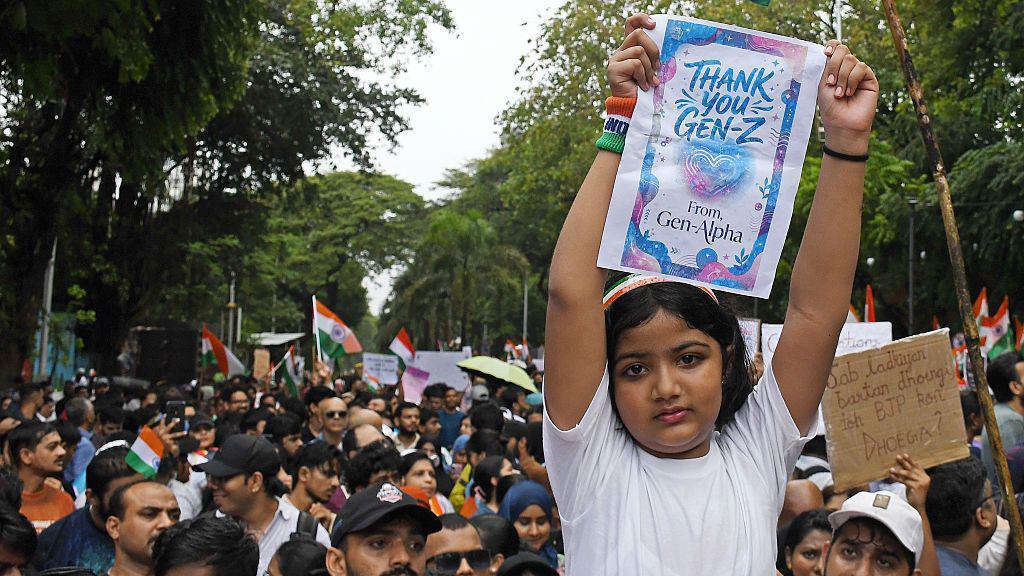
After a youth‑led movement forced the resignation of India’s Education Minister, Parliament’s floor witnessed a wave of Gen‑Z slang, from “delulu” to “FOMO” and “clock it.” The Cockroach Janta Party, born on Instagram and TikTok, turned protests into viral memes that now echo in Delhi’s halls of power. Political scientists note that borrowing language is typical, but the speed of online jargon entering official debate is unprecedented. While politicians spread cultural awareness, activists warn that real change must match the buzz of memes. Will this new lexicon stick, or is it a fleeting trend?
India’s Parliament Dials Up Gen‑Z Slang – In the wake of a youth‑led protest that saw the resignation of Education Minister Dharmendra Pradhan, MPs in the Lok Sabha began to speak like their teenage constituencies.
Meet the Cockroach Janta Party (CJP) – a satirical internet collective that rose to prominence on Instagram, WhatsApp and Telegram. When the party turned protest into millions‑viewed reels, it captured the imagination of a generation that lives online.
During a debate on a new anti‑exam‑leak bill, lawmakers dropped familiar meme‑derived phrases: “Delulu,” the slang for being detached from reality; “FOMO,” a fear of missing out; and the witty “clock it,” meaning “nailing the point.” Shiv‑Sena’s Shrikant Shinde rattled the opposition with “MIA” before calling them “delulu,” while Congress’s Deepender Singh Hooda jabbed in the nonsensical chant “waste‑guna‑huiya.”
Even government MPs chimed in. Bansuri Swaraj of the BJP said Prime Minister Narendra Modi had “clocked it” with the bill, while fellow MP Tejasvi Surya dubbed the opposition “delulu” for their criticism. Meanwhile, opposition leader Supriya Sule stopped to marvel at the moment, only to switch to “delulu” later.
Scholars point out that borrowing popular culture into politics is not new; a 2019 take‑off of the phrase “How’s the josh?” from a Hindi war film is a recent example. What is new is the speed at which online‑generated slang makes its way into corridors of power.
“Using a generation’s vocabulary signals cultural awareness, not the end of a political shift,” said Payal Arora, a digital anthropologist. The challenge is to move beyond jargon to address the frustrations that birthed it.
Government forces have begun to clamp down on protest‑related memes, removing content and pursuing legal action against activists. The CJP demands that these cases be dropped or they risk returning to the streets.
Whether Gen‑Z slang will stick in the parliamentary lexicon remains to be seen. The language of the internet is transient, and the real test will be whether political change follows the memes.