In brief
The Taliban government has halted chess activities, citing potential conflicts with Islamic law and gambling. This marks another step in the group's tightening grip on sports, particularly affecting youth engagement and leisure activities.
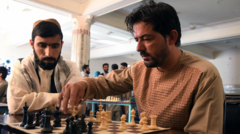
The Taliban's controversial governance in Afghanistan has taken yet another turn as it has announced an indefinite ban on chess, expressing concerns that the game could foster gambling. Officials have stated that until the game's adherence to Islamic law is verified, chess will remain prohibited.This latest injunction against a popular pastime highlights the Taliban’s rigorous enforcement of its interpretation of Islamic principles since regaining control in August 2021. Atal Mashwani, the spokesperson for the Taliban’s sports directorate, articulated to AFP that chess is perceived as a gambling activity within the framework of Islamic sharia law. He affirmed that the sport's suspension will continue until religious questions surrounding it are resolved.Azizullah Gulzada, who owns a café in Kabul where chess has traditionally been enjoyed socially, expressed disappointment over the decree, noting the detrimental impact on his business. “Young people don’t have many activities these days, so many came here every day,” he lamented. “They would have a cup of tea and challenge their friends to a game of chess.” Gulzada highlighted that chess is played in other predominantly Muslim nations, suggesting a broader cultural acceptance.This chess ban is not an isolated incident. Last year, the authorities banned mixed martial arts, branding it too violent and incompatible with their strict interpretation of Islam. A Taliban spokesperson referred to MMA as “problematic” due to its "face-punching" nature, and their criticism of combat sports has intensified since the group's return to power in August 2021.As the Taliban continues to overhaul recreational activities in the nation, the implications for youth engagement and cultural expression remain deeply concerning.