In brief
Afghanistan’s Taliban regime has suspended the BBC’s FM radio transmissions nationwide, citing repeated violations of its rules. The BBC, the sole international broadcaster allowed to operate since U.S. outlets withdrew in 2022, says it continues to provide news on shortwave, online and satellite. The decision underscores the regime’s tight grip on media, restricting music, limiting women’s on‑screen presence and curtailing independent reporting. Despite these constraints, the BBC reaches over 20% of Afghan adults each week, delivering news and education, including programs aimed at girls barred from secondary schools.
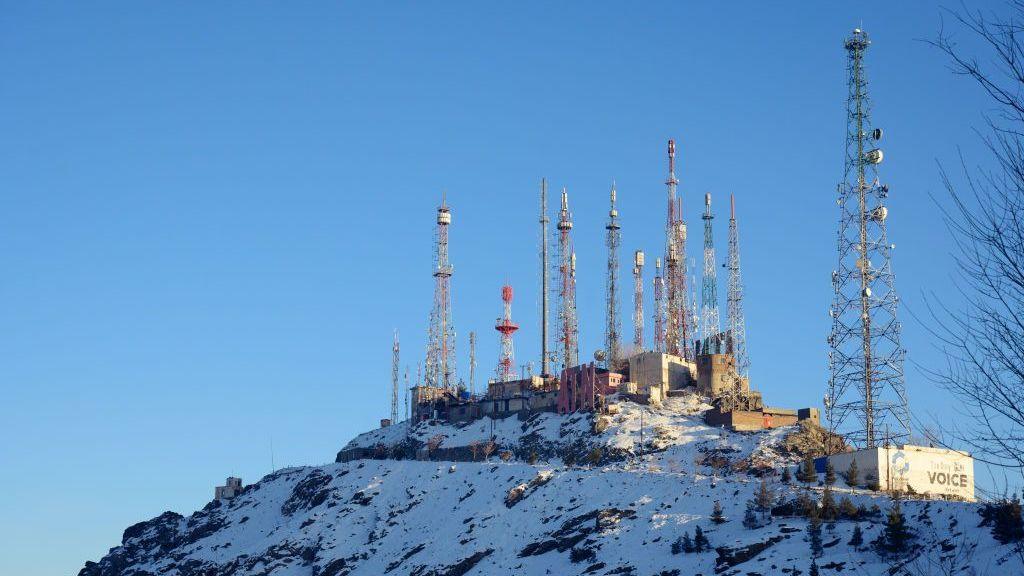
Afghanistan’s Taliban government has suspended the transmission of BBC broadcasts from FM radio sites across the country.
Taliban spokesman Khubaib Ghufran said the BBC had been suspended because of “repeated violations” but offered no further detail. The BBC has been the only international news organisation permitted to broadcast inside Afghanistan since two U.S. outlets were banned from operating in the country in 2022.
The BBC, which says millions of Afghans rely on its reporting, added that it remains committed to providing news and information in Pashto, Dari and English on shortwave, medium wave radio, online and via satellite. It reaches more than 20% of the adult population each week, delivering not only news but also educational programming for girls who have been barred from secondary schools.
Taliban media restrictions are wide‑ranging: music is not allowed on the airwaves, women are rarely seen on screen and co‑presentations with men are forbidden. Social media platforms, though still available, are hampered by a lack of electricity in large parts of the country, high costs and low literacy rates.
The BBC Afghan service has been in operation since 1981, providing a vital link to the outside world in a country where media freedom is tightly controlled.