Emergency helicopters lift families out of rising waters in Talagante
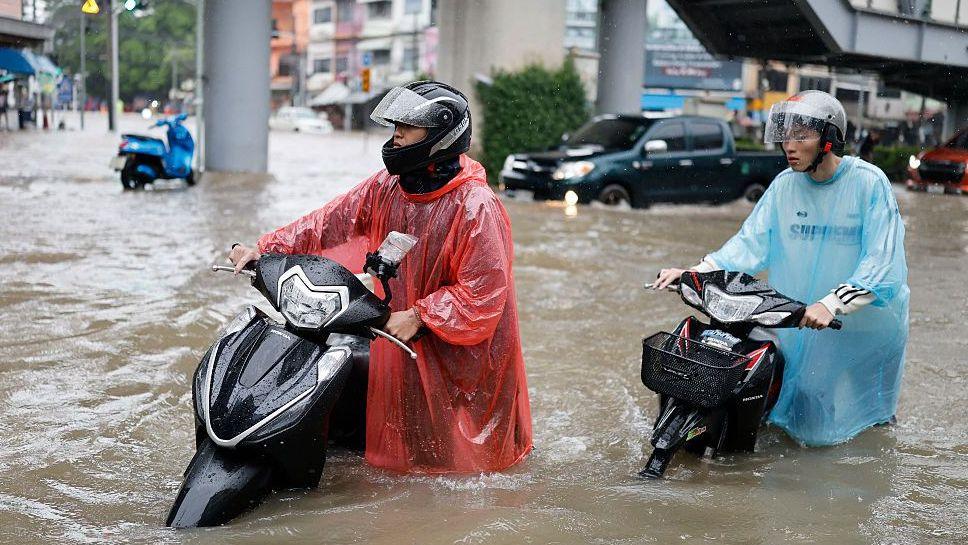
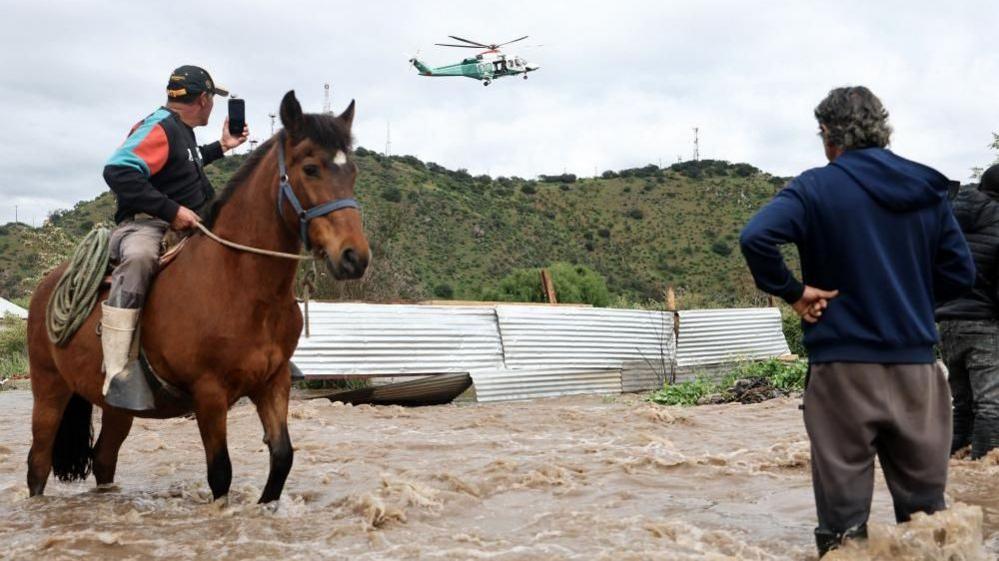
A sudden storm delivered more than 20mm of rain in a single day, swelling the Mapocho River to the point that ordinary streets became highways of water. Police and emergency crews responded by mounting helicopters that skimmed the flooded streets, hoisting residents and their pets away from drowning.
The floods hit residents overnight, leaving many trapped in homes with no hope of evacuation before the water rose to knee‑deep levels. The rapid escalation caught authorities off‑balance; unlike the severe July storms, the riverbank communities had not been cleared in advance.
Acting before the water could claim lives, the police landed multiple helicopters over a stretched stretch of road and performed a coordinated airlift. The operation lifted dozens of people, allowing them to escape the destruction that had already claimed a fatality in the city of San Bernardo, where a person was found dead in a flooded underpass.
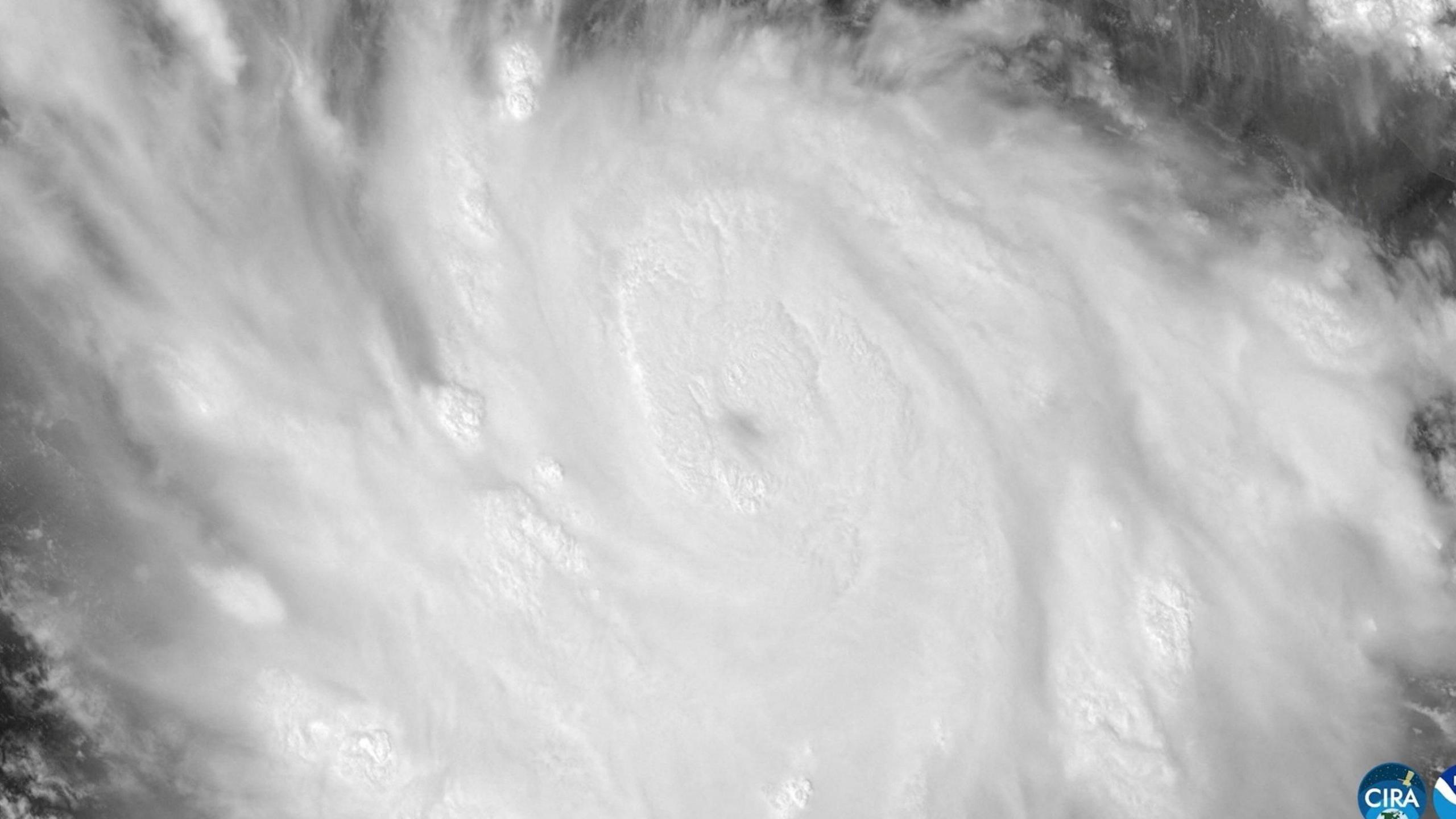
Meteorological agencies have declared the October rainfall as the wettest on record for 76 years in the Santiago area, and they predict that the upcoming El Niño cycle will bolster the region’s extreme weather—with more storms, winds, and potential floods.
While the emergency response is praised, climate experts warn that this is just one example of the volatile patterns continent‑wide. The 2026‑2027 El Niño is expected to alter rainfall globally, intensifying droughts in some zones while raising flood risks in others.
Residents are urged to support community vigilance and report emerging risks on a live map platform that tracks municipal alerts. User‑submitted photos and videos help officials verify conditions in real‑time, improving safety responses.
The situation is fluid; authorities are monitoring the river’s behaviour around 2 p.m. local time. Updates and eyewitness footage will be posted as new information arrives.