In brief
In Rawalakot, the capital of Pakistan‑administered Kashmir, a surge in protests has turned deadly as soldiers fire into crowds and a clandestine clinic now sees dozens of wounded. Dr. Anwar’s makeshift emergency room, located in a spare bedroom, treats every day a new casualty, most of them juveniles shot in the chest. Protesters of the Joint Awami Action Committee (JAAC) accuse authorities of firing indiscriminately, while the provincial government bristles at the claim, insisting that only those who attacked police were shot. Key families — Asma, Salman and Ayub — recount the loss of sons who simply wanted to demand basic rights, and the JAAC and supporters point to a broken promises of a 2019 pact as a trigger for the unrest. With roads blocked, food shortages looming and the democracy process proceeding, the tension remains high and the extent of security force retaliation is still unclear.
Gunfire Ravages Rawalakot as Protesters Demand Rights Amid Election Turmoil
Rawalakot — The bustling city of Rawalakot, centre of the upcoming local polls in Pakistan‑administered Kashmir, is now a frontline for a tragic clash between street demonstrators and security forces. In the last weeks, the city has seen a surge of violent incidents, with dozens of people shot as protest marches erupt.
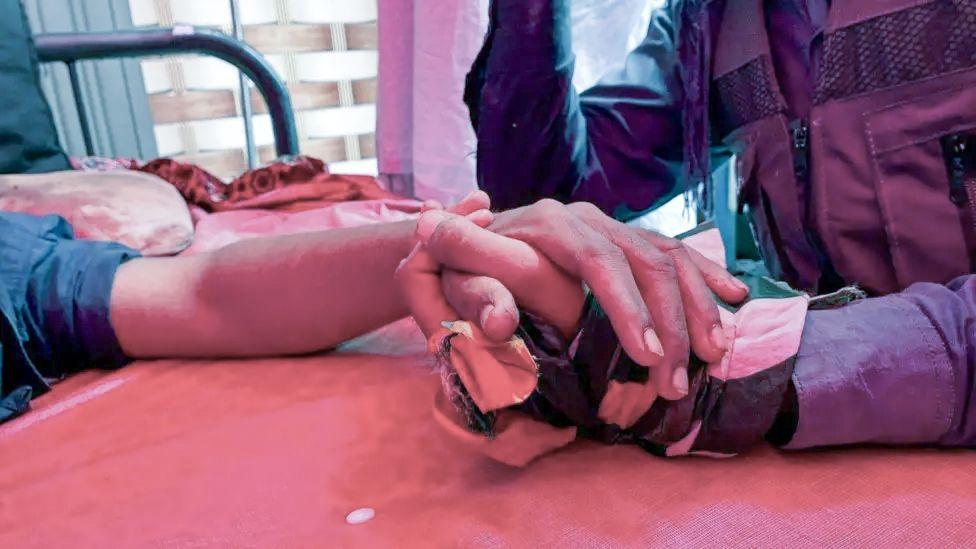
Dr. Anwar, the man running a covert clinic in a spare bedroom, describes his facility as nothing more than a simple emergency room. “We only have a few first‑aid kits. We can stop bleeding, cleanse a wound and dress it, but a chest or head injury requires a real hospital,” he says. Every so often a new patient collapses onto a red tarpaulin‑lined bed, the sheet stained with blood.
Casualties are young — Most injured in the clashes are between 15 and 35 years old, according to local records. Over 50 to 60 critically wounded have appeared at Dr. Anwar’s clinic since 27 July, with 15 to 20 suffering gunshot wounds alone.
Protesters’ grievances — The Joint Awami Action Committee (JAAC) voices complaints over rising electricity costs, inadequate healthcare and education. They claim a 2019 pact, signed by both the national and PAK governments, was never implemented, leading to the current unrest. JAAC leaders refuse that they are violent, insisting that the state’s security forces have an excessive use of force.
Families hear their sons’ voices — Asma, a mother of a deceased protester, shared that her son was “only asking for justice.” Salman, whose brother was injured in a shoot‑out, says “I am proud that he stood up for people’s rights.” Former army officer Ayub blames the provincial government for deploying paramilitary units, not the soldiers themselves.
Government response — The PAK authorities reject the allegation of indiscriminate firing. They say police and paramilitary only used weapons against people who threatened public safety or impeded orders. Official statements deny blocking food or medical supplies, insisting those were sheltered by the authorities.
Logistical blockades — Roads into Rawalakot have been cut by fallen trees and barricades claimed to be placed by JAC members. The city’s internet is heavily throttled, preventing citizens from seeking information, while security checkpoints create a tense atmosphere.
Fake disclosures? JAC spokespersons say the security forces try to discredit them by highlighting supposed infiltrations in their ranks. They report no evidence of internal violence and urge the authorities to approach peaceful negotiations.
Current state of affairs — Rawalakot remains a flashpoint: the city’s makeshift medical centre is overwhelmed, roads blocked, and the population grapples with fear of police arrest and potential clearance. With elections underway, the conflict threatens to fester, and the region’s future depends on whether dialogue or force wins.