In brief
Amidst the ongoing conflict, Ukrainian naval divers face extreme risks as they work to clear the Black Sea of Russian sea mines and other hazardous remnants of war. With their painstaking techniques, they aim to ensure the safety of maritime routes critical for Ukraine's economy, showcasing both valor and precision under duress.
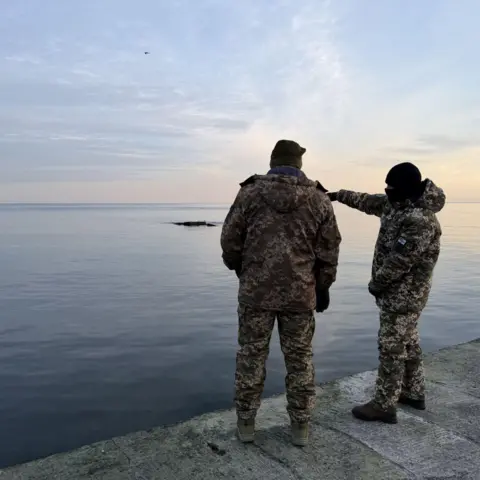
The Black Sea is littered with deadly weapons, and the dangers posed by these mines are very real. Ukrainian Navy diver Vitalii explains, When we approach it, we should be quiet, we should be slow – and we should be very accurate. He is part of a team tasked with de-mining areas under Ukraine's control, part of an urgent operation to keep vital maritime trade routes open for the country’s economy.
Mines, notorious remnants of warfare, remain active and can drift with the currents, presenting additional risks. The full-scale invasion saw Moscow lay numerous mines, some of which tragically led to casualties last summer when swimmers off the Odesa coast fell victim to these hidden threats.
The commander of the navy's mine countermeasures unit estimates thousands of mines lie beneath the Black Sea surface. Alongside these, Soviet-era missiles and bombs washed into the sea present a more complex hazard, complicating de-mining efforts drastically.
Despite ongoing risks, merchant ships continue to navigate this dangerous maritime corridor, driven by the necessity of keeping Ukraine’s economy afloat. Navy spokesman Dmytro Pletenchuk acknowledges the importance of removing underwater hazards: Now, keeping the shipping routes viable also depends on removing the threat beneath the surface.
Defusing each mine is a meticulous process — sometimes taking many hours — as divers approach silently and carefully, identifying and disabling the mines' sensors before finally detonating them under controlled conditions. This delicate dance of defusing explosives, all while enduring the threat of aerial strikes and underwater drones, showcases the courage of these divers.
As they continue this perilous work, divers like Vitalii embody the resolve of the Ukrainian Navy, not just in the face of danger but also as part of a broader strategy to restore normalcy in maritime operations along the Black Sea.