In brief
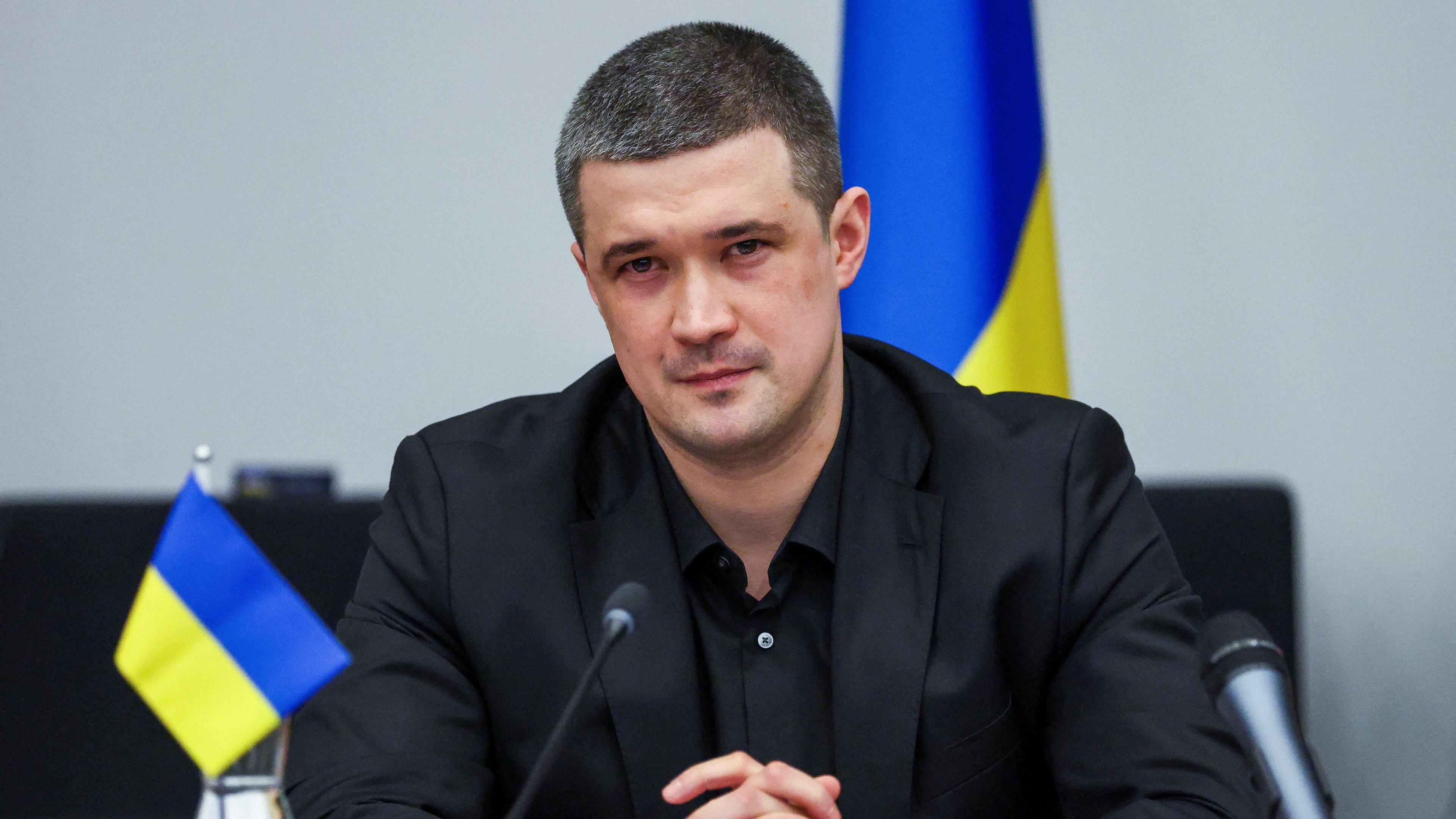
Former Ukrainian defence minister Mykhailo Fedorov has unveiled a call for a war‑time presidential election, asserting that democracy cannot be restrained by Russian influence. Fedorov was sacked in late July after clashes with defence chiefs and his removal triggered nationwide protests. The call comes as Ukraine remains under martial law, suspending elections, and as President Zelensky has yet to respond publicly. Fedorov highlighted his record of anti‑corruption, drone warfare initiatives, and cyber‑revolution against Russia, expressing a vision for a “legal, safe, and realistic” electoral mechanism. The move marks a political flash‑point, potentially opening the door for new leadership amid an ongoing war.
Fedorov’s Fractious Farewell and Call for Elections
On Tuesday, the 35‑year‑old former defence minister Mykhailo Fedorov uploaded a YouTube video demanding “a legal, safe and realistic mechanism” that would let Ukraine conduct a full democratic process even amid a prolonged war. He said that “democracy cannot be held hostage by Russia,” echoing the national question of how to sustain a free European state in the face of Moscow’s aggression.
A Career in Crisis | Fedorov’s Rise and Fall
Fedorov took office in February 2023, revitalizing the ministry with a focus on drones, high‑tech warfare and a data‑driven approach to command structures. He set up the volunteer “IT Army of Ukraine” in the early days of the full‑scale invasion and launched the “Army of Drones” fundraising programme, using gamification to boost morale and efficiency on the front line. His tenure was cut short in late July after a clash with army chief Oleksandr Syrskyi that culminated in protests across the country. The dismissal stunned Kyiv, prompting swift questions from the public and a demand for accountability.
Zelensky’s Response Still Pending
No public reply from President Volodymyr Zelensky has yet been issued. He has appointed Yevgeniy Khmara as acting defence minister, a low‑profile intelligence officer, and offered former Fedorov positions such as deputy prime minister for military innovation. The 35‑year‑old, however, has stated he would return only as defence minister, making his proposals a direct challenge to Yanukovych’s reshuffle.
The Implications of Wartime Elections
Under Russia’s invasion, Ukraine is under martial law, suspending regular elections. Fedorov argues that a transparent electoral process would strengthen internal cohesion and signal resilience to the West. His call invites debate on how to balance security considerations with democratic ideals, especially as the war’s intensity escalates.
The political landscape is now divided: supporters of Fedorov see the move as a restoration of democratic norms, while critics warn it could fragment leadership at a critical juncture. As Ukraine navigates foreign aid, tactical advances and domestic demands, the role of an elected head of state could reshape policy and public trust.
Stakeholders are monitoring responses from Washington, European capitals, and the International Criminal Court, all keen to assess whether Ukraine’s leadership structure can withstand external pressure while maintaining domestic unity.