In brief
When Perea abandoned coca fields in Meta, Colombia, he hoped a state‑run substitution scheme would give him a better life. He was promised financial support for legal crops, but delays, lack of roads and floods kept help from reaching him. By 2024 he had to sow coca again to survive his family. The story highlights the cracks in Colombia’s efforts to curb drug‑crop cultivation amid persistent demand and shifting political priorities.
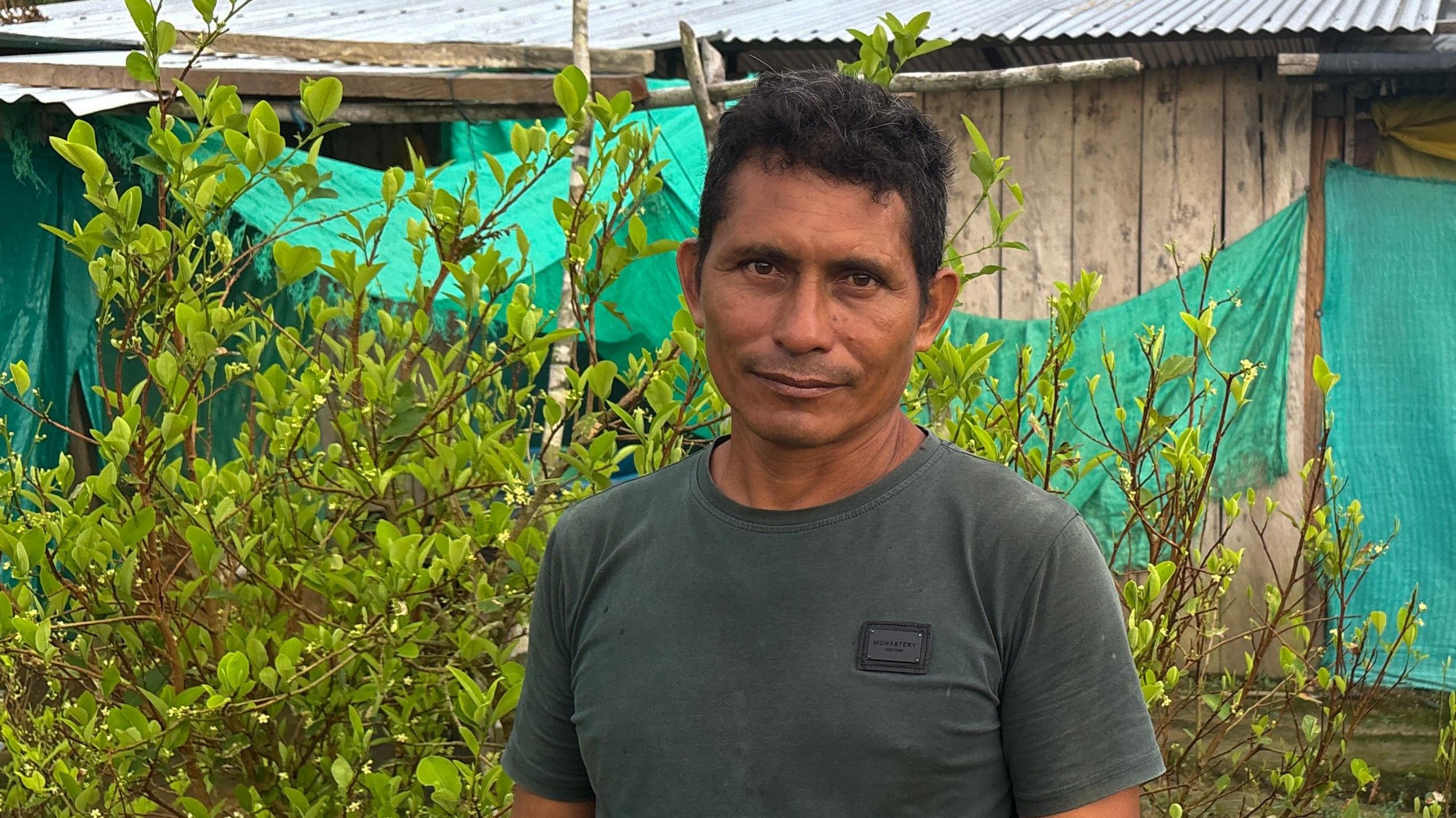
When Perea stopped growing coca, the raw material used to make cocaine, he vowed never to plant it again. He cleared the green bushes on his 1‑ha plot in the remote Meta province, reachable only by river, and planted cassava and plantain instead.
Perea was part of a government‑run crop‑substitution programme designed to help thousands of farmers abandon coca. The plan promised financial aid and agronomic support, but the aid never arrived, and the region’s poor road network and frequent floods made it hard to sell the new crops.
By 2024, frustrated and without income, Perea began growing coca again. "If no help ever arrives, you go back to growing it," he says. He adds that, with a child to feed, the choice is limited.
The coca leaf has long been used by indigenous communities in teas and medicines, but today most of it is processed into cocaine. Roughly 70 % of the global supply originates from Colombia.
Experts note coca’s quick harvest cycle and easy transport give it an edge over other crops. Studies show it can raise local GDP by up to 10 % in some districts between 2014 and 2019.
Still, the national substitution programme, known as PNIS, struggled with delayed payments, limited technical help and weak state presence in rural areas. The effort was further weakened by shifting political priorities, first under President Duque and later President Petro.
A new initiative, RenHacemos, aims to build on PNIS by adding road improvements, digital connectivity, and broader economic diversification, while continuing financial support.
Despite these plans, many farmers remain skeptical. "The state has completely abandoned us," Perea says beside his weather‑torn shack. "We live day to day, sometimes even running out of food."