In brief
The crash of a Bangladesh Air Force trainer into Milestone School in 2025 left 36 dead and hundreds injured, sparking protests and calls for a full investigation. A year later, survivors recount ongoing trauma while families still await answers and compensation. An investigation report cited building code violations, inadequate pilot training and lack of regulatory oversight, but key findings remain unpublished. Government promises support for medical care amid growing calls for transparent disclosure of the report and reparations.
On 21 July 2025, a Bangladesh Air Force training aircraft left a Dhaka base and, moments later, plummeted into the grounds of Milestone School and College. The crash killed 36 people — most of them children — and left more than 160 survivors suffering burns and injuries.
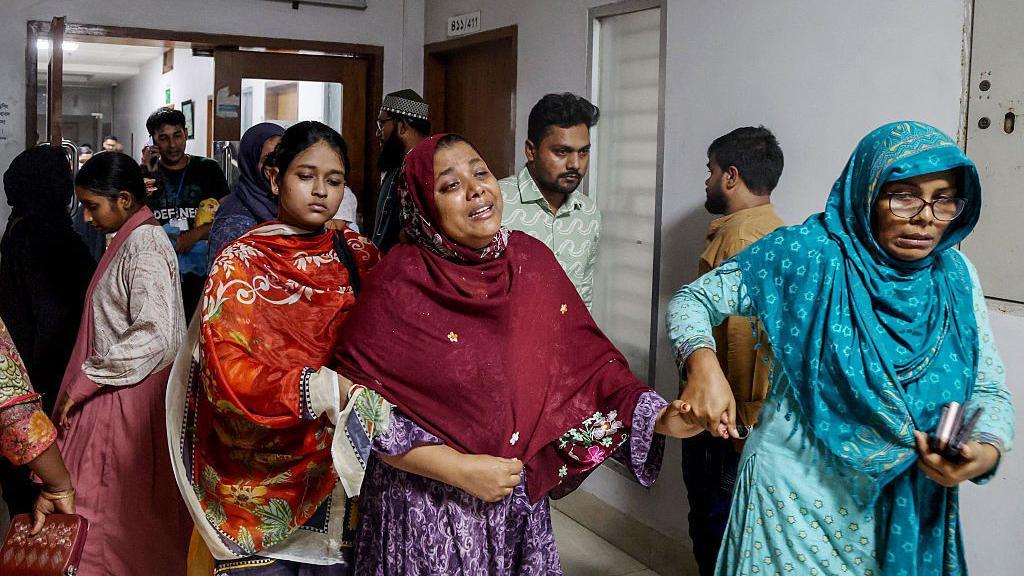
A memorial in Dhaka this week brought together students, families and protestors to mark the anniversary. Voices like that of 12‑year‑old Nure Jannat Yusha echo the grief still felt by many: “If I go to school and see a plane, I feel afraid. I can’t sleep at night. In my dreams, I’m thrown into fire.” Yusha, who once dreamed of becoming a dancer, now struggles with anxiety and school avoidance.
The investigation commission formed after the crash, whose report was submitted to the government last November, has not yet been released to the public. The BBC’s copy of the report lists several factors: the school’s non‑compliance with building codes, the presence of hundreds of buildings violating height restrictions near Dhaka’s international airport, and the pilot’s insufficient training and lack of proper supervision. It also notes that no technical fault was found on the aircraft, contradicting an initial statement by the armed forces that a mechanical failure had caused the crash.
During the memorial, protestors demanded that the government publish the full report and provide compensation for victims’ families. “No one can guarantee another plane will not fall onto this school in the future,” said Mansur Helal, husband of a victim, while rallying those in attendance.
Health Minister Sardar Sakhawat Hossain pledged support for survivors requiring further medical treatment. Yet many students, such as Mehreen, who sustained extensive burns, are unable to return to school and face long‑term physiological and psychological challenges.
The tragedy has also sparked a broader debate over the regulation of training flights over populated areas and the enforcement of safety standards. Residents, survivors and journalists alike call for transparency, concrete safety reforms, and equitable reparations to restore trust and prevent future disasters.