In brief
Heat waves fanned across Spain, France and the UK are now moving eastwards as German and Czech forecasters warn of extreme temperatures. France has escalated its national health alert to the utmost level, calling on hospitals to prepare for a twin surge in vulnerable patients. For months, residents have felt sweltering heat—France set a record of 45.1°C in Andújar, Germany is approaching not to beat 2019’s national record, and several regions have seen air temperatures reach the 40‑C mark. The United Nations climate chief claims Europe's crisis displays fingerprints of climate change, calling for urgent shifts to renewables and climate resilience. Fires, hospital overloads and even nuclear plants shut down amid the scorching summer.
Heatwave conditions that have left Spain, France and the UK sweltering for days are shifting eastward.
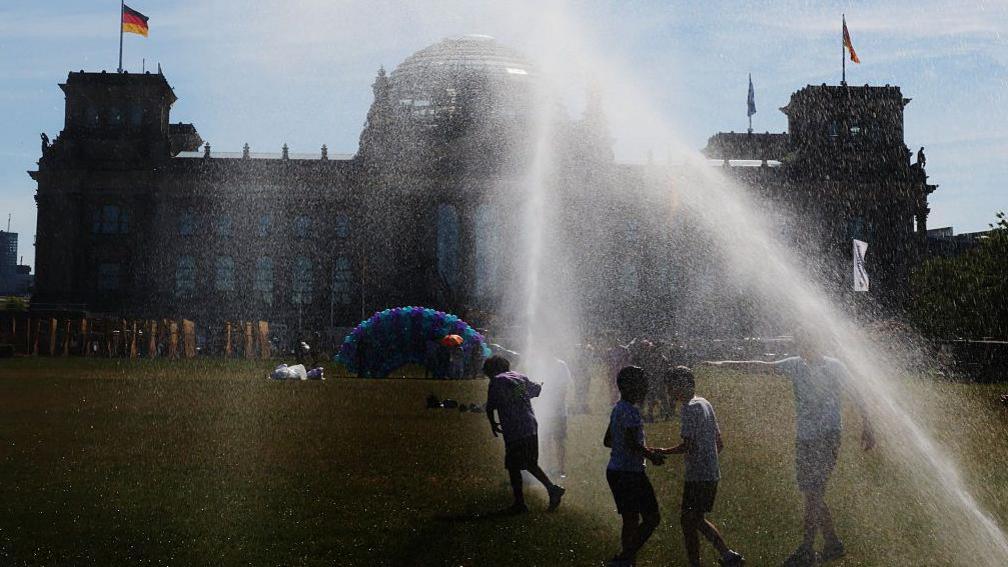
Forecasters in Germany warn of the first 40°C here and the Czech Republic has issued an extreme weather warning across most of the country.
France’s Prime Minister Sébastien Lecornu has announced that the national health alert level is being raised to its highest, to bolster hospital staffing and protect the most vulnerable.
Health Minister Stéphanie Rist said that deaths among both the young and the elderly are now being recorded as linked to the extreme temperatures.
United Nations climate chief Simon Stiell warned that “Europe’s savage heatwave has the fingerprints of the climate crisis all over it”, calling for faster shifts to renewables, forest protection and climate resilience.
After France recorded its hottest day on Wednesday for the second consecutive day, records continue to be broken. Météo‑France said the average minimum temperature reached 22°C on Wednesday night, and Nantes saw 27.2°C in the northwest.
Paris mayor Emmanuel Grégoire said the mortality rate was rising and urged residents to put off exercise for a few days in the city’s red extreme heat alert.
A three‑year‑old child was found dead in a Paris‑area car, days after two earlier deaths in a family’s vehicle in Carpentras, and even in Rennes, a 60‑plus age group was linked to deaths in homes during the heat.
Rennes recorded 40.6°C on Monday, only for 41°C to break that record the following day; the region’s intensive care units were “saturated.”
France’s Orsan health emergency plan moved to level three to withstand the strain, and three nuclear plants were shut down due to the heat.
Some western French regions now brace for huge thunderstorms from Thursday afternoon, with gusts up to 110km/h on the Atlantic coast and the Garorock festival’s first day cancelled where temperatures could reach 42°C.
Climate change is driving Europe’s heats: Europe is warming twice as fast as the global average, increasing summer heatwaves, water pressure and wildfires, with a record one million hectares burnt last year.
Germany’s southwestern town of Bad Bergzabern barely fell below 26.2°C on Wednesday night, equalling a national heat record set in 2019, and the DWD service described it as a historic heatwave.
Luxembourg recorded a summer high of 38.3°C in Wormeldingen on Wednesday, with a red alert extended until Saturday night.
In Germany, Hamburg’s half marathon was cancelled and Deutsche Bahn offered free ticket cancellations while Czech Railways advised passengers to postpone travel.
Temperatures in the Czech Republic were well into the 30s on Thursday, expected to climb to 40°C by the weekend, and Austria’s Vienna could also hit that mark.
Britain’s Met Office extended its red extreme temperature warning until Friday evening for parts of London and south‑eastern England.
In Italy, Florence’s Uffizi museum halted ticket sales until 28 June due to 32°C inside, and fires in other parts of the country were expected to peak on Monday with 40°C.