A court in the Netherlands hands life sentence to Dutch‑Rwandan accused of 1994 genocide

In a landmark decision, a Dutch court sentenced 66‑year‑old Eugene N to a life term for his role in Rwanda’s 1994 genocide.
The suspect, a Dutch‑citizen at the time, was convicted of war crimes and genocide. The judge ruled he acted with "genocidal intent", highlighting his hand grenade assault on a Tutsi crowd within a stadium.
Rwanda had requested his extradition in 2014, but Dutch authorities decided to investigate him internally when he had obtained citizenship.
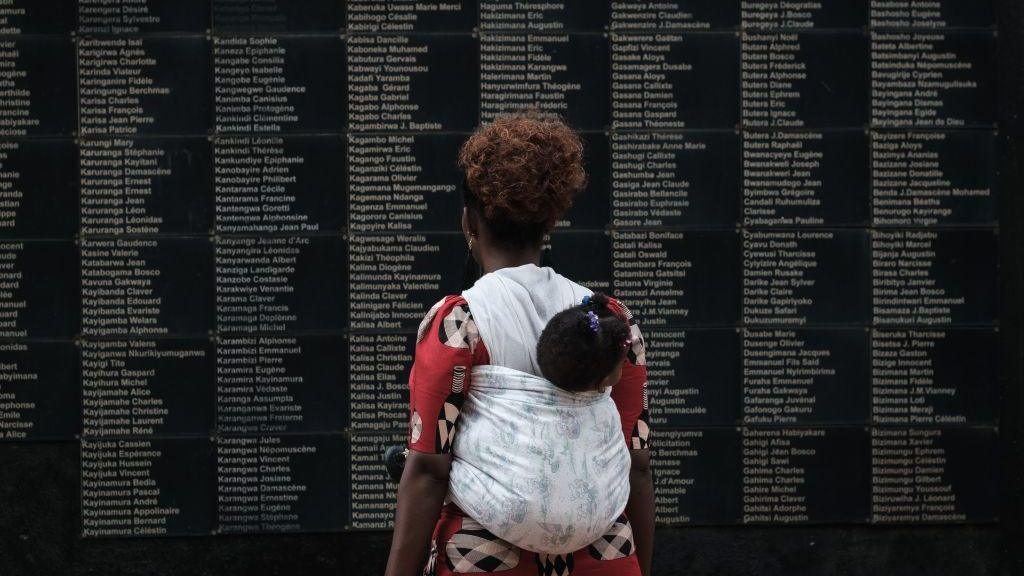
During Rwanda’s 100‑day massacres in April 1994, an estimated 800,000 Tutsis and moderate Hutus were killed by extremist Hutus.
The court described N’s position in Mbazi, southern Rwanda, where he administered around 1,000 people and commanded forces at a football stadium that became a massacre site.
"The suspect was well‑known and his influence was acknowledged as a local administrator," the court stated, noting his "multiple severe crimes".
He ordered Hutu guard troops not to allow Tutsis to escape. Captured Tutsis were pelted with stones, shot at, hit with grenades, and any survivors were killed with clubs and machetes.
Before the stadium incident, N witnessed looting and arson by armed men.
"Only a lifelong prison sentence does justice to the immense suffering inflicted on victims and families," the court said.
The Dutch investigation began in 2020, with more than 30 witnesses interviewed. N was arrested in 2024.
Despite denying all charges, N claimed he was a victim who lost family members during the genocide.
He described the trial as reopening deep wounds, calling himself "a broken man." His lawyers sought full acquittal, but N was acquitted only of incitement to genocide.
The defence team indicated they will "almost certainly" appeal the remaining charges, as reported by ANP.