In brief
The Tate brothers, detained in Miami since July, argue they should be freed to contest an impending extradition to the United Kingdom, where prosecutors have charged them with rape and human‑trafficking crimes. While the defendants claim they did not commit the allegations and highlight harsh prison conditions, U.S. government lawyers stress their status as flight risk, citing multiple passports. Judge Lauren Louis has yet to decide on bail, with the extradition request due September 16. The case draws international attention and raises questions about justice and human rights.
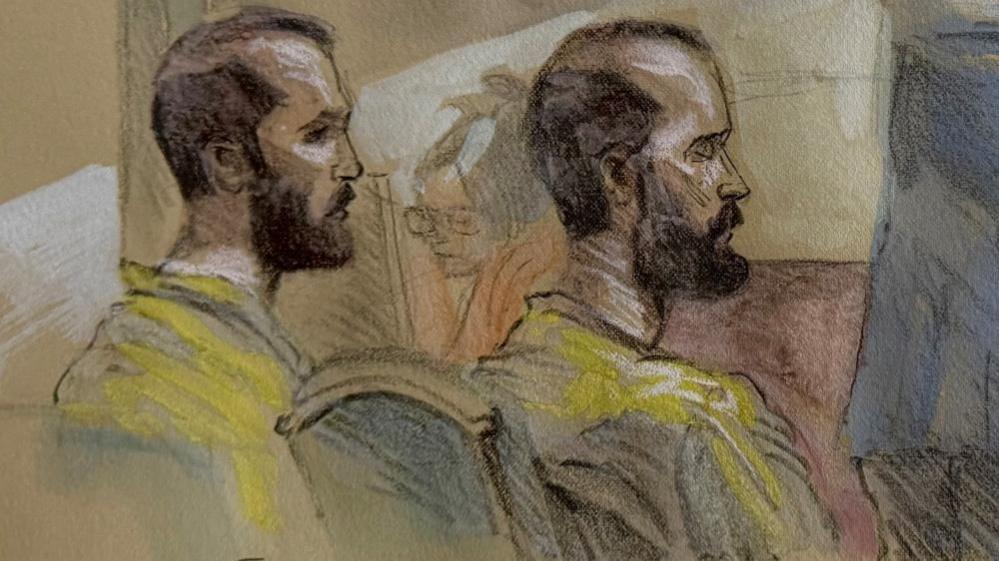
The Tate brothers, Andrew and Tristan, appeared in a Miami courtroom in shackles, demanding bail to guard against a looming UK extradition. Their request comes after U.K. prosecutors unveiled a trove of accusations, totaling 59, that include rape, sex‑trafficking and indecent images involving minors. The brothers, each a dual British‑U.S. citizen, claim the allegations do not reflect reality and cite dire detention conditions, describing the jail as small, hot and lacking sunlight and exercise. They also insist they have no intention of fleeing, while U.S. authorities point to their possession of multiple passports and claims of substantial wealth that could facilitate escape.
U.S. Magistrate Judge Lauren Louis is slated to issue a written decision regarding bail. The U.K. has until September 16 to submit a formal extradition request. Meanwhile, the brothers have been fighting parallel cases, including a 2022 trafficking charge in Romania and a travel ban that lifted when they entered the United States in 2025.
During the hearing, Andrew denied any involvement in the alleged crimes, stating he has never committed them. He also addressed accusations that his online persona exaggerates his wealth. Tristan highlighted his physical health decline, mentioning a 14‑lb weight loss and harsh conditions that, he likened to ‘death by scurvy.’
Prosecutors in the U.K. argued that the Tate brothers constitute a flight risk, citing their multiple passports and readiness to travel. In contrast, their defense lawyers underscored the brothers’ public profile, arguing that their visibility would make escape virtually impossible.
According to U.K. prosecutors, the brothers face 59 charges spanning multiple allegations, classified among seven distinct accusers. These charges illustrate a global legal network that spans from the U.K. to Romania, underscoring the complex, multinational nature of the case.
The partnership between Andrew and Tristan Tate was built on a high‑profile influencer empire within the so‑called ‘manosphere,’ promising a lavish lifestyle to a predominantly young male audience. This pattern and their subsequent legal troubles have sparked widespread media scrutiny and an international discussion about the treatment of high‑profile defendants amid serious criminal accusations.