In brief
Denmark has reversed its earlier plan to seek an exemption to the EU’s ban on mink farming, announcing that all production will cease by 7 August 2029. The decision follows the country’s mass cull of 15 million minks during the COVID‑19 pandemic and a long‑standing decline in the fur market. Animal‑welfare leaders praised the move while industry representatives brace for the phase‑out costs estimated at 14 million DKK. The ban marks the last major European nation to exit the mink‑fur trade.
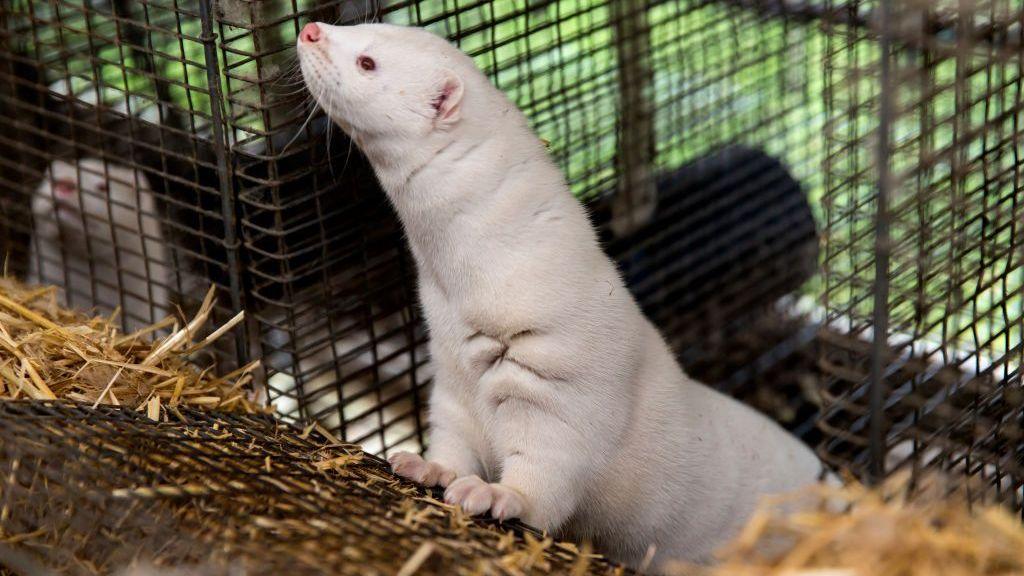
Mink farming will end in Denmark by August 2029 after the government decided to drop plans to pursue an exemption to an EU‑wide ban on the practice.
Denmark was once the world’s largest producer of mink fur, but the industry has been in decline due to global bans, a shrinking fur trade and a 2020 outbreak of a COVID‑19 strain in the nation’s mink population.
The ban will take effect on 7 August next year, followed by a two‑year transition period to phase out the practice and close the remaining seven farms.
Nature Minister Christian Rabjerg Madsen said the choice was driven by animal welfare: “A business must be useful not just because it has existed for a long time.”
The government had at one point applied for an exemption when the EU added mink to its list of invasive species in 2025. That request was scrapped by the new coalition government elected in June 2026.
Social Democrat MP Brigitte Vind welcomed the decision, calling it “a good day for animal welfare” and shouting that it was right not to apply for a special scheme for mink breeding.
The Danish mink industry, represented by the Danish Mink Association, is still active but has slipped behind rivals such as Poland and China. In 2020 a mass cull of about 15 million minks was carried out after a mutated strain of the virus was found in the animals. At the time the country had large export markets in China and Hong Kong, and later admitted there was no legal basis for the cull.
Today there are roughly 15 000 minks left in Denmark. Estimated costs to close the farms are around 14 million Danish krone ($1.56 million), though the final figure could be higher.
Fur ownership remains a polarising topic. While some fashion houses abandoned fur years ago, the material has recently resurfaced, prompting debates on sustainability and ethical sourcing.