In brief
On Thursday, a Swiss glacier revealed the bodies of two Belgian hikers who vanished 34 years ago. Police confirmed the DNA matches, closing the case for families. The discovery underscores how rapid glacier melt, fueled by climate change, is reshaping the Alps and revealing long‑forgotten tragedies.
On Thursday, a Swiss glacier revealed the bodies of two Belgian climbers who vanished in the Alps in 1992, giving families 34 years of closure.
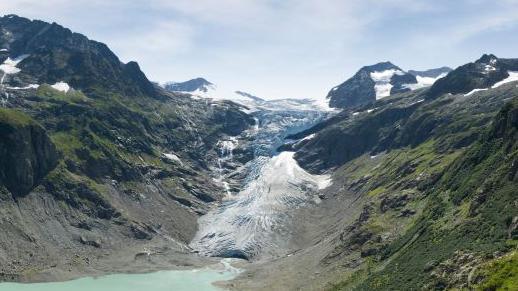
A hiker first spotted the remains on July 26 on the Trift Glacier, south of Lucerne. The Swiss authorities promptly recovered the bodies and forwarded them to a hospital in Sion for identification.
DNA analysis proved the men were aged 39 and 41 at the time of their disappearance near the 4,000‑metre Weissmies peak, a popular mountaineering spot in the Saas Valley.
Scientists point to the glacier’s rapid retreat as a primary cause. The Swiss glacier network Glamos reports a quarter of the country’s ice area has disappeared over the past decade, with a 3% loss recorded in 2025 alone.
The glacier melt is part of a global trend. The European Commission’s Copernicus system shows that glacier shrinkage rates have accelerated since 2000, bringing unseasonably warm conditions to high altitudes.
Similar revelations have surfaced before. In 2023, a German climber missing since 1986 was identified after remains were found on the Theodul Glacier.
The event highlights the dual impact of climate change: not only threatening ski resorts and ecosystems but also revealing long‐lost human stories buried in ice.
The Swiss police will conduct a formal inquest into the incident and investigate whether further bodies may be uncovered as glaciers continue to melt.