In brief
This week in Minneapolis, an immigration enforcement operation turned tragic when an ICE officer shot Renee Nicole Good, claiming self-defense. Cellphone footage reveals controversial details, prompting discussions regarding the legality and ethics of using deadly force in such scenarios. Experts highlight the risks associated with shooting at moving vehicles and stress the importance of non-lethal alternatives in law enforcement protocols.
MINNEAPOLIS (PulseWire) — A federal immigration operation in Minneapolis turned deadly this week when a U.S. Immigration and Customs Enforcement (ICE) officer fatally shot 37-year-old Renee Nicole Good. The incident, which occurred during a confrontation involving Good's vehicle, has sparked fierce debate regarding the use of lethal force by law enforcement in such situations.
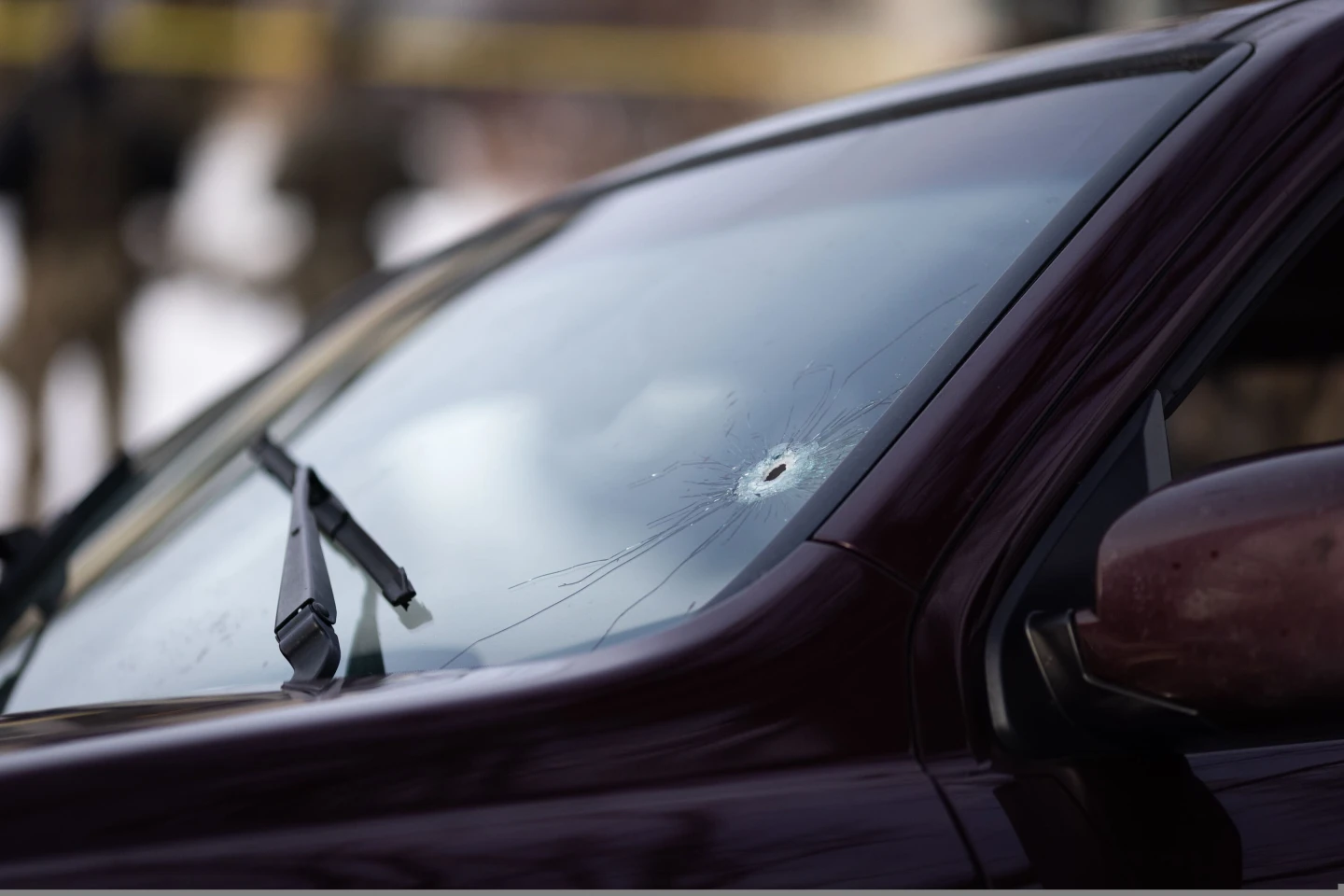
Cellphone video captured the moment of the shooting, with federal officials asserting it was an act of self-defense. However, local authorities, including the city’s mayor, labeled it “reckless” and unnecessary. In the footage, an ICE officer is seen approaching Good's SUV as it moves forward, while another officer stationed in front of the vehicle draws his firearm and fires at close range.
Understanding Use of Deadly Force
Legal experts point out that there are no universally accepted standards for law enforcement training concerning the use of deadly force, with most police departments and federal guidelines advising against shooting at moving vehicles unless there is an immediate threat to life that transcends the vehicle itself.
The Risks of Shooting at Vehicles
Shooting at a moving vehicle is traditionally viewed as one of the more dangerous forms of force, with the potential for stray bullets to jeopardize bystanders and for the driver to lose control, further escalating danger.
What Law Enforcement Policies State
Officers are generally trained to avoid using deadly force when a reasonable alternative exists, which may include moving out of the vehicle’s path. Policies prohibit the use of lethal force merely to stop or detain a suspect unless there’s an immediate threat.
Are Federal Agents Different?
While ICE agents operate under similar violent force restrictions as local law enforcement, they may have additional legal protections while performing their duties. The Department of Homeland Security states that deadly force is permissible only when an officer believes there is an immediate threat of serious injury or death.
Ongoing Investigations
After any shooting incident involving law enforcement, federal agencies typically conduct internal investigations, with state and local authorities also having the authority to investigate. Notably, the FBI has taken charge of the investigation into this shooting.