In brief
Hungary’s sole nuclear facility, Paks, is forced to halt operations because a dramatic drop in the Danube’s water level prevents the plant’s cooling nozzles from reaching the river. The shutdown threatens to create a critical energy shortfall as a continental heatwave pushes temperatures to 37°C. Neighboring Romania must also consider shutting down one of its nuclear reactors, while Serbia experiences unprecedented low Danube levels. The crisis illustrates the tension between water scarcity, climate change, and energy security in Europe.
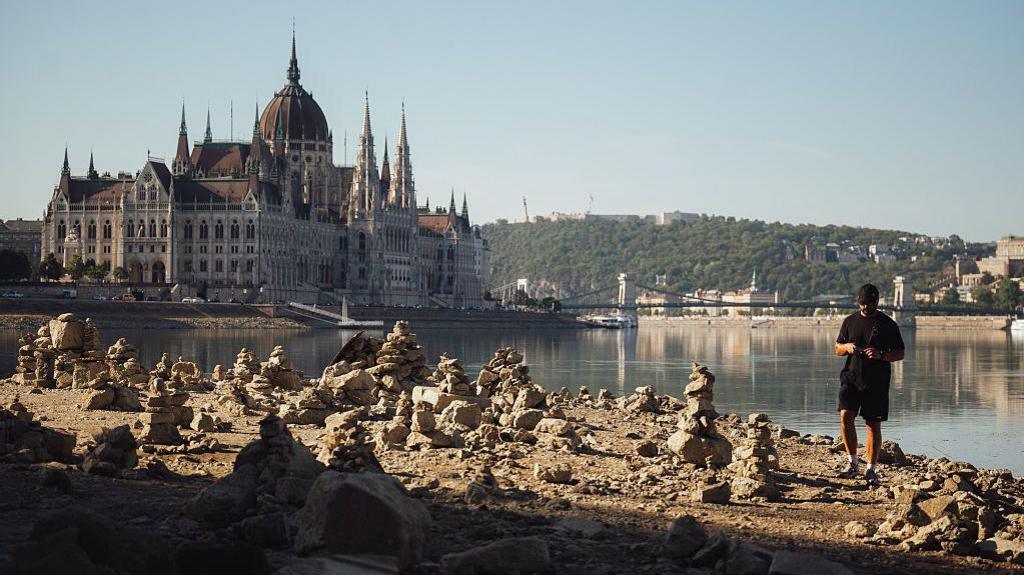
The Danube River has dropped to record‑low levels, forcing Hungary’s only nuclear plant, Paks, to shut down entirely for the first time. The Soviet‑era facility uses the river for cooling – its suction nozzles cannot reach the water when the depth falls below a critical threshold.
Prime Minister Péter Magyar warned that Hungary’s power supply could become “critical” this Monday as the plant stops producing, while a week‑long heatwave sees temperatures climbing to around 37°C. The government urges citizens to limit high‑energy activities between 17:00 and 22:00 to ease the grid load.
Romania’s Cernavodă plant, which supplies roughly 20% of the country’s electricity, faced a similar decision. Its first 706‑MW reactor shut early this week due to low Danube levels; the second reactor’s future depends on maintaining river flow.
The Danube has recorded the lowest river flow in three decades across several riparian nations. In Romania, the average July flow has dropped from about 4,700 cubic metres per second to less than a third of that, at 1,600 m³/s, with forecasts for it to fall further.
The low water has exposed long‑hidden wrecks: a sunken German warship at Prahovo, Serbia; the rusted hulls of a Hungarian cargo ship in Croatia; and, oddly enough, the bones of a mammoth on the Romanian Danube bed near Ruse.
Bulgaria’s waterways are no better off. Boats have been stranded along the river, and the border police evacuated cruise ship passengers after they ran out of water. Officials say similar low levels are unlikely until mid‑September.
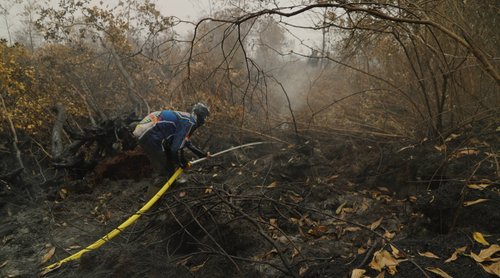
The crisis has added to a season of extreme heat across Europe, with wildfires threatening France and Spain and fire‑prone conditions spreading into central Europe, Greece and Turkey. Hydro‑and climate experts stress that solutions cannot be rapid; the current situation underscores the urgent need for water‑safety standards, energy‑mix diversification and mitigation of climate change impacts on river systems.
Source: BBC News Live (sample image from BBC)