In brief
Cuba's government has decided to free 2,010 prisoners, including foreign nationals, women, and the elderly, as a response to ongoing U.S. political pressure. The release coincides with Holy Week, a time for traditional pardons. This marks the second significant release this year, amidst worsening fuel shortages and political tensions with the U.S., which are intensifying under President Trump's administration.
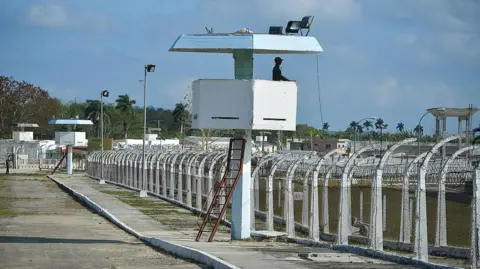
Cuba will free 2,010 prisoners as a humanitarian and sovereign gesture, its government announced, facing continued political pressure from the US. Those freed will include foreign nationals, young people, women, and those aged over 60, according to a statement from the Cuban embassy in the US on Thursday.The release is happening in the context of the religious celebrations of Holy Week, which is a customary practice in our criminal justice system.US President Donald Trump has expressed his desire to change Cuba's Communist leadership and has blocked oil shipments to the island, causing severe fuel shortages and widespread blackouts. Last week, a Russian-owned tanker carrying an estimated 730,000 barrels of crude oil became the first to dock in Cuba since early January, a move Trump said he had no problem with.Cuba holds hundreds of political prisoners behind bars, as noted by Human Rights Watch, with government critics often subject to harassment and criminal prosecution. The criteria for the current release were based on a careful analysis, including the nature of offenses, good conduct in prison, the length of sentences served, and health status, as stated by the embassy.This is the second major prisoner release Cuba has announced this year; the first occurred in March, when 51 prisoners were freed after talks with the Vatican. In 2025, a large release of 553 individuals was brokered by the Vatican and the US.Trump's focus on Cuba has increased since the seizure of Venezuela's former President Nicolás Maduro, amid broader context of weakened relations and ongoing dialogues between Cuba and the Trump administration. However, both sides have publicly expressed political and economic red lines that complicate reaching an agreement. The current humanitarian gesture also comes in the backdrop of severe fuel shortages impacting Cuban hospitals and essential services.