In brief
At a Massachusetts trial, Susan Clancy testified that Lindsay Clancy had been clamoring for help as her postpartum mental health declined. Prosecutors argue she deliberately killed her five‑year‑old daughter, three‑year‑old son and eight‑month‑old baby. The defence claims Lindsay suffered from postpartum psychosis and may have attempted suicide. The case has ignited discussions about the urgent need for mental health support for new mothers.
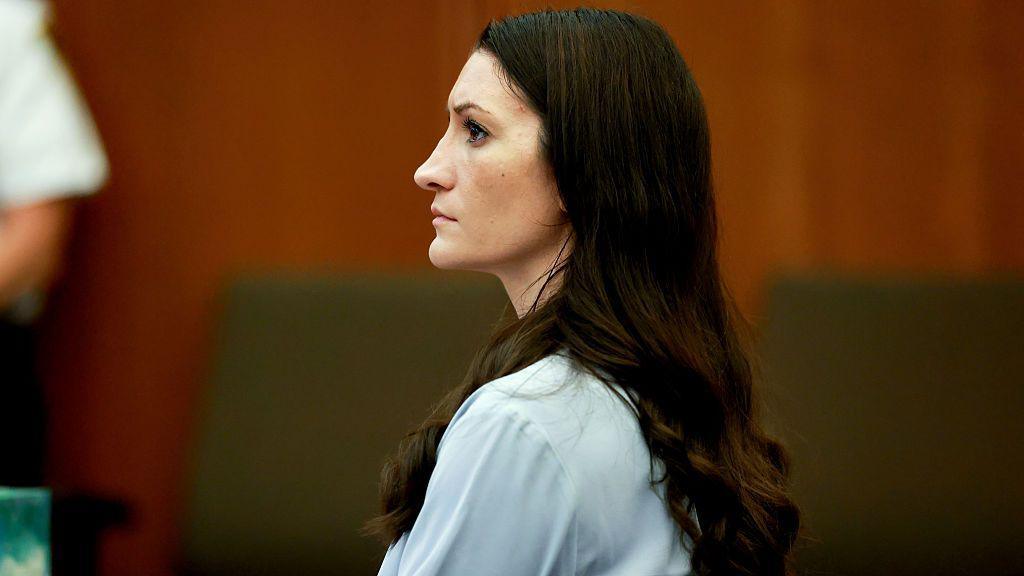
In a Massachusetts courtroom, a mother‑in‑law testified that her daughter, Lindsay Clancy, had been asking for help before she killed her three children.
The mother‑in‑law, Susan Clancy, described Lindsay’s insomnia, loss of appetite, anxiety and sadness as symptoms that rose after the birth of her youngest son.
Defence lawyers admit Lindsay did not deny the killings, but argue she was suffering from postpartum psychosis and had sought medical help multiple times.
Prosecutors contend Lindsay made a calculated decision, strangling her children with fitness bands before leaping from a second‑floor window. The 36‑year‑old is now paralyzed and attends the trial in a wheelchair.
Lindsay’s mother, Paula Musgrove, testified that Lindsay had expressed thoughts of harming her children and had been suicidal for days leading up to the incident.
The court has heard testimony from dozens of witnesses over three weeks, including Lindsay’s two sisters, who claimed her mental state worsened after the babies’ births.
The defence points to a brief psychiatric hospital stay before the killings to further support the psychosis theory.
The UK’s National Health Service describes postpartum psychosis as a rare, serious illness that requires immediate medical attention. The present case has sparked a broader conversation about postpartum mental health support.
If anyone seeks help, mental health professionals and support organisations are available. More information can be accessed at Befrienders Worldwide and the UK’s BBC Action Line.