In brief
This December, manufacturers such as Lee Display continue the tradition of creating artificial Christmas trees despite facing challenges like increased tariffs and reliance on overseas production. The demand for fake trees remains strong, with 80% of Americans opting for them, driven by convenience and price sensitivity. However, the industry is evolving as companies explore domestic production options amid rising import costs.
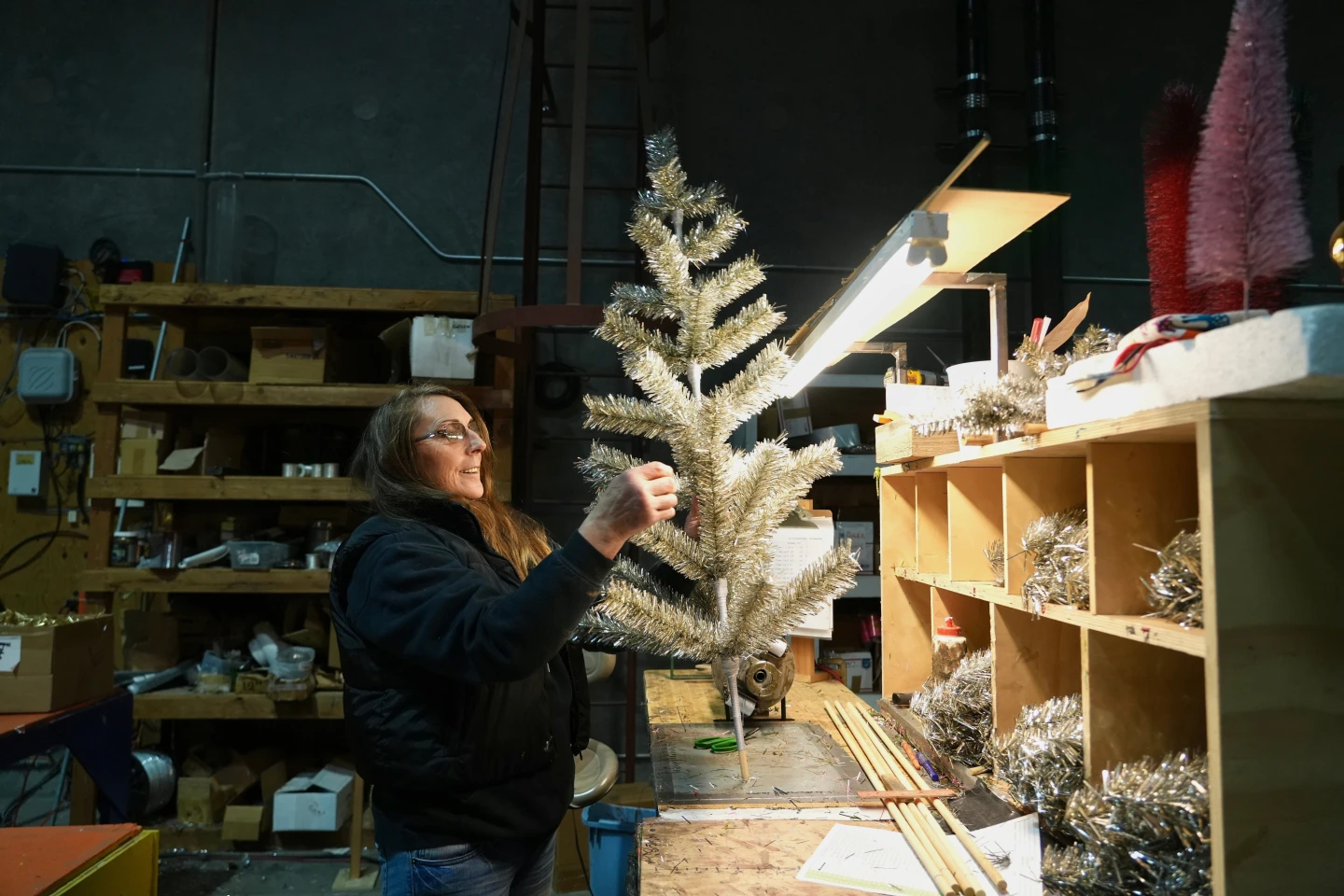
On a recent December day, Mark Latino and a handful of his workers spun sheets of vinyl into tinsel for Christmas tree branches. They worked on a custom-made machine that’s nearly a century old, churning out strands of bright silver tinsel along its 35-foot (10-meter) length.
Latino is the CEO of Lee Display, a Fairfield, California-based company that his great-grandfather founded in 1902. Back then, it specialized in handmade velvet and silk flowers for hats. Now, it’s one of the only companies in the United States that still makes artificial Christmas trees, producing around 10,000 each year.
Tariffs and trees
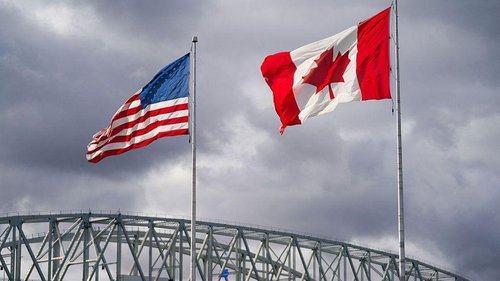
Tariffs have significantly affected the pricing of artificial Christmas trees this year, with increases of 10% to 15% reported according to the American Christmas Tree Association. Tree sellers have responded by cutting orders and adjusting their pricing to manage the impact of the new import taxes.
Despite challenges, the shift of production back to the U.S. seems unlikely. Manufacturers mention that artificial trees are labor-intensive, relying on components that are not available domestically. Chris Butler, CEO of National Tree Co., shared that they sell over 1 million artificial trees annually.
Americans are generally price-sensitive, which poses a challenge for manufacturers considering domestic production. Butler noted, “Putting a ‘Made in the U.S.A.’ sticker on the box won’t do any good if it’s twice as expensive.”
Americans prefer fake trees
Approximately 80% of U.S. residents who plan to put up a Christmas tree this year will opt for a fake one, a statistic that has remained stable for the last 15 years. The convenience of pre-lit trees and the longer display time before needing replacement are key factors in this preference.
Manufacturers like Balsam Brands emphasize the demand for ready-to-use options, as consumers prefer trees that can be set up quickly during the holiday season.
Labor-intensive work
The labor-intensive nature of making artificial trees contributes to the majority of production taking place overseas. In contrast, U.S. wages for similar work would drive prices up significantly, leading many companies to continue sourcing from countries like China and Indonesia.
American-made trees
Lee Display employs additional workers during the holiday rush to meet demand, focusing significantly on custom displays. Latino appreciates the control he has over production and emphasizes quick turnaround times.
Responding to tariffs
As tariffs affect profit margins, some companies have explored diversifying their supply chains. National Tree Co. is considering moving some manufacturing to other countries to lessen dependence on China. However, issues with tariffs persist, complicating efforts to price competitively.
In summary, the artificial Christmas tree industry remains impacted by tariffs and consumer preferences, indicating a bustling but challenging holiday season ahead for manufacturers.