In brief
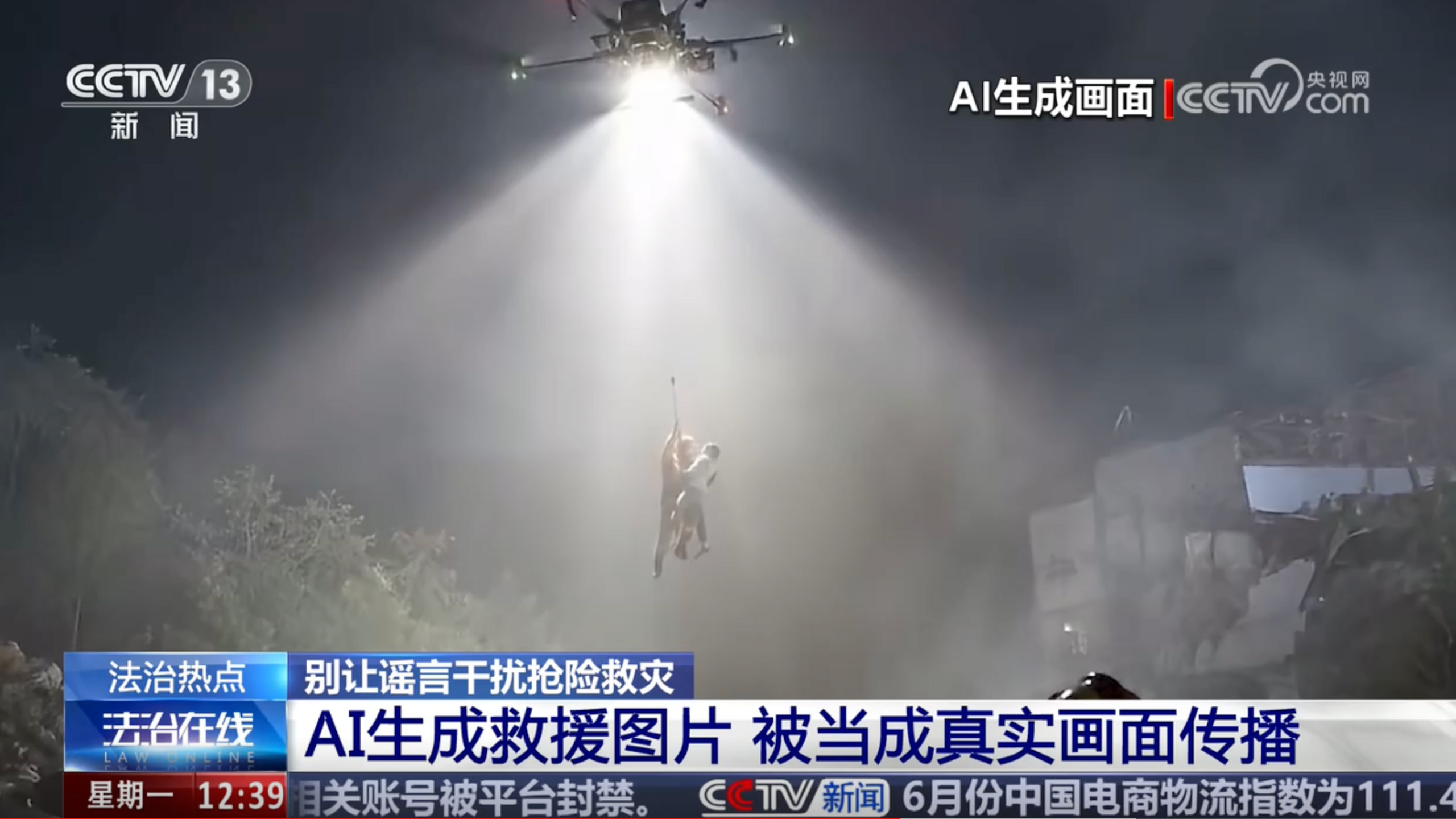
The Typhoon Noul disaster has left thousands affected in southern China, but officials are now confronting a surge of AI‑generated fake videos that mislead the public. These videos show impossible images of floods and rescue efforts, causing panic-buying and false perceptions of danger. Experts say the technology lowers barriers for creating realistic but fabricated content, prompting a crackdown that includes fines and possible prison terms. The government stresses the need for verified information and better regulation of online platforms to keep the public safe.
As China deals with the aftermath of Typhoon Noul, officials are confronting a new threat: AI‑generated fake videos flooding social media. Powerful storms have already caused flooding and damage; now misinformation adds confusion and panic.
Videos claiming to show dead bodies in floodwaters, exaggerated damage in unaffected areas, and staged rescue scenes have circulated widely, leading residents in some regions to panic‑buy emergency supplies.
Huang Zhihua, deputy chief of online public security for Zhejiang Police, said the creators deliberately fabricate information to attract attention. In recent weeks authorities have already detained several people and imposed fines for producing bogus reports.
Experts warn that AI lowers the technical barrier for producing realistic but fabricated content. Professor Chen Bin said AI can “make it possible to create a huge amount of false text, images, audio and video… on a large scale.” Professor Gao Fuping added that motives range from amusement to profit or deliberate chaos.
Officials urge the public to rely on official announcements when encountering disaster news from unknown sources. Police are increasing monitoring of short‑video platforms and threatening fines or up to seven‑year prison terms for serious cases.
Meanwhile, the Chinese government is investing heavily in AI, claiming it will drive the country’s progress, while simultaneously toughening measures to curb misinformation. The Cyberspace Administration has launched a nationwide crackdown, focusing on fabricated data, malicious editing, staged scenes and impersonation of officials. The challenge is whether legislation can keep pace with rapidly evolving AI tools that enable mass‑scale misinformation.