In brief
A US F-15 fighter jet has reportedly been shot down over Iran, prompting a harrowing search operation for a second crew member. While the pilot may have been rescued, serious challenges lie ahead for the rescue team as they navigate through hostile territory in their mission to locate and extract the missing individual. Combat search and rescue missions are critical and extremely hazardous, often requiring the skills of elite pararescue jumpers.
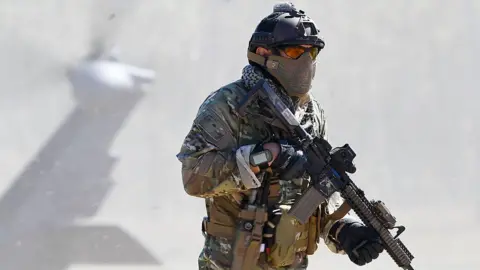
Early reports indicate that the pilot of a US F-15 fighter aircraft downed over Iran was rescued - which, if confirmed, would be the latest in the long history of US combat search-and-rescue missions over decades. The search operation is ongoing deep inside Iran for a second crew member, according to CBS, the BBC's US partner.Combat search and rescue (CSAR) missions are considered among the most complex, time-sensitive operations that US and allied militaries prepare for. In the US, elite units of the air force are specially trained for CSAR missions and are often pre-emptively deployed near conflict areas where aircraft could be lost.Put simply, CSAR missions are military operations aimed at finding, aiding and potentially rescuing personnel in need, including downed pilots and isolated troops. These operations may happen deep in enemy territory, as is the case with the current situation in Iran.CSAR missions are often conducted by helicopters, supported by refueling aircraft and other military planes conducting strikes and patrols in the area. They demand rapid response times, as enemy forces may attempt to capture the same personnel being rescued.Former US Marine Corps Special Operations specialist Jonathan Hackett noted that in this reported rescue, teams would be looking for signs of life, fanning out from the last known location of the missing crew member.This high-stakes environment is underscored by recent verified video footage showing US military helicopters operating over Iran's Khuzestan province, amidst Iranian calls for local citizens to aid in capturing the missing crew member, which would provide Iran with a valuable bargaining chip.As US rescue teams continue their mission, they face the daunting challenge of operating in hostile territory, with considerable risks to their safety. The operations are a testament to the bravery and skill of the teams involved, as they navigate complex terrains to fulfill their mission: to bring their comrades home.