In brief
In an exclusive interview, Larry Fink, CEO of BlackRock, warns that oil prices reaching $150 a barrel could trigger a global recession, particularly if tensions with Iran continue. He emphasizes the need for countries to diversify their energy sources and highlights the potential impact of rising energy costs on poorer populations.
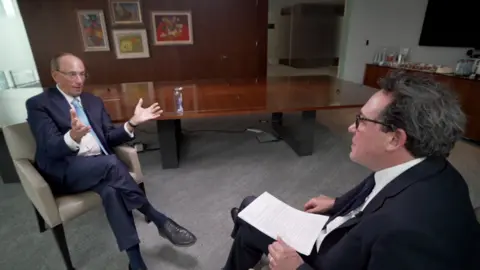
Larry Fink, the CEO of BlackRock, the world's largest asset manager, recently stated that if oil prices surge to $150 a barrel, it could spark a global recession. In an interview with the BBC, he attributed potential price hikes to geopolitical threats, particularly suggesting that ongoing tensions with Iran could keep oil prices elevated. Fink, who oversees assets worth approximately $14 trillion, noted that high oil prices would have profound consequences for the global economy. He also expressed concerns over the rising energy costs, which he said disproportionately affect lower-income individuals. Moreover, Fink stated that these conditions provide a significant impetus for countries to accelerate their transition to alternative energy sources, advocating for a diverse energy strategy that includes both renewable sources and fossil fuels. His comments come as fluctuating energy prices have triggered volatility across financial markets amidst ongoing conflict in the Middle East. Fink anticipates two potential scenarios: one where Iranian relations normalize, leading to decreased oil prices, and another where sustained high prices could lead to years of economic stagnation. Additionally, he referenced the current technological advancements in AI, dismissing claims of an impending bubble but acknowledging concerns regarding investment trends and rising inequality. Fink concluded with a call for a redirection of educational focus, highlighting the need for more technical training to build skills in sectors essential for future job creation.