How Ceuta, football and Israel are shaping Morocco's election
The political race in Morocco is being influenced by three unlikely forces: a migration crisis to the Spanish enclave of Ceuta, the country’s national football team, and its tense relationship with Israel.
Young voters are caught in a paradox of disillusionment and hope. Environmental activist Siham Azeroual, 32, says, I have no hope for this election. I’m ashamed of our political scene. It’s a complete circus. Her voice echoes a broader sentiment that politics feels disconnected from everyday realities.
The stakes are high. A month ago, 60,000 Moroccans swam across the Strait to reach Ceuta, underscoring the limited opportunities at home. The cost was dire – at least 100 people lost their lives.
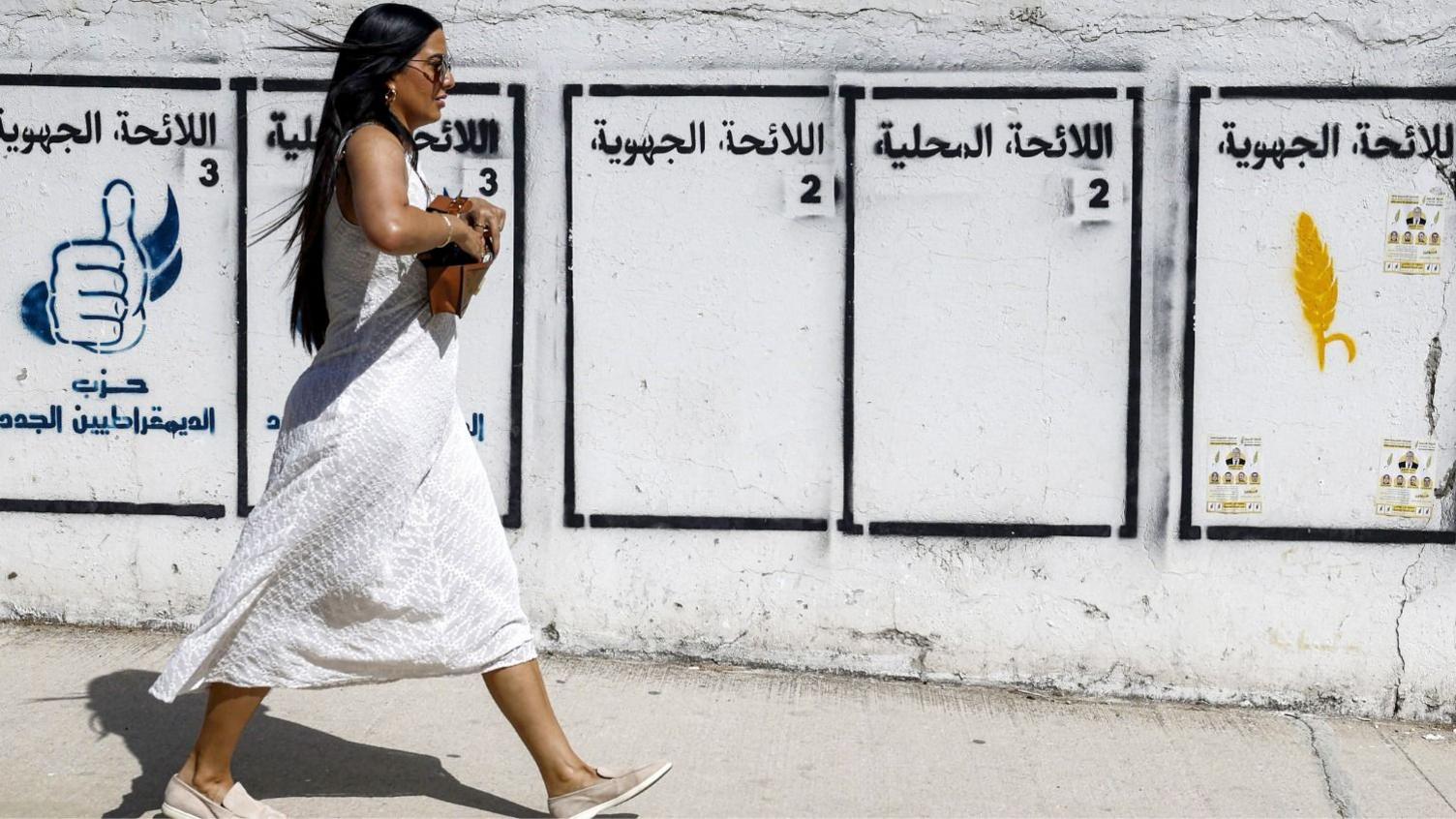
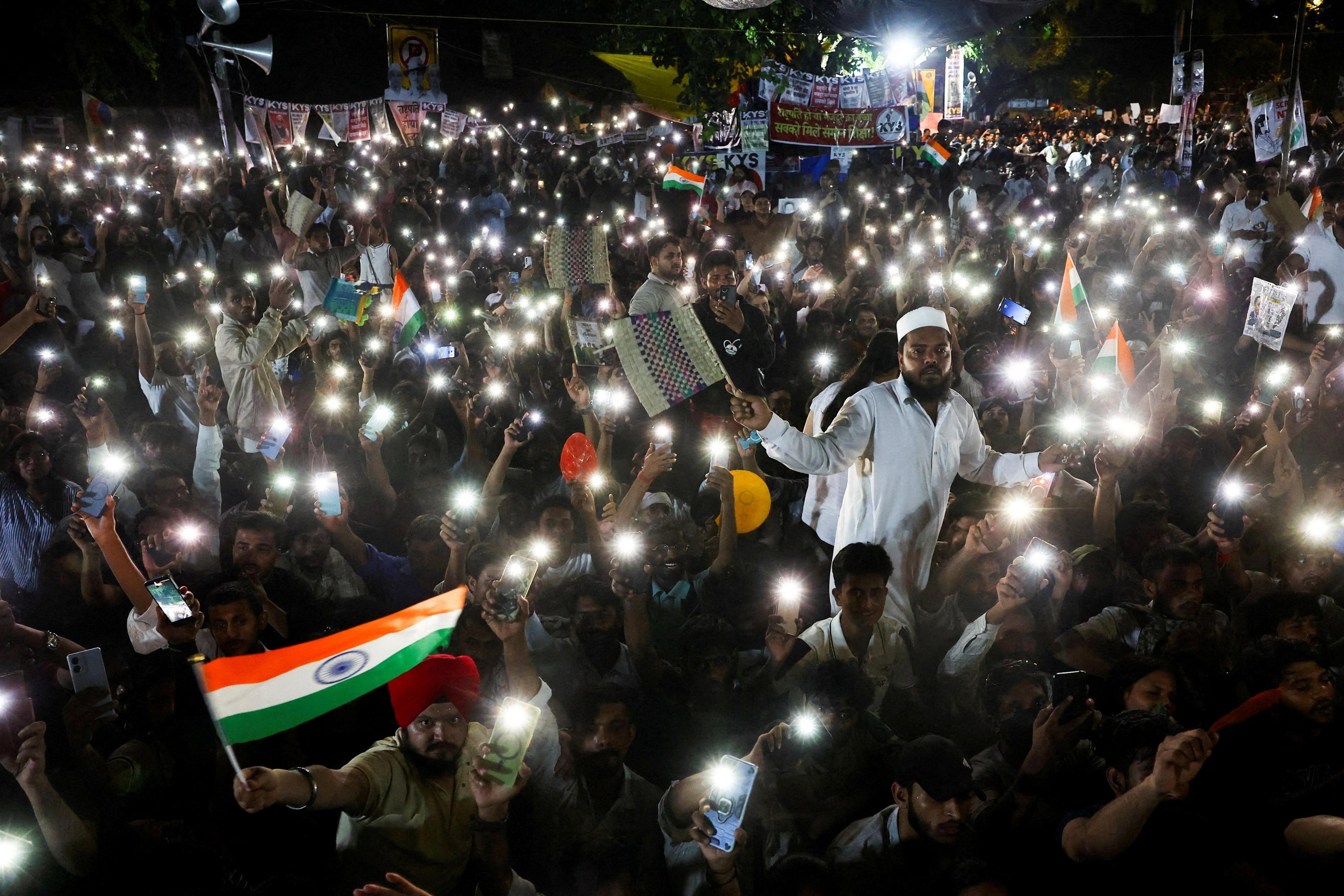
Under King Mohammed VI’s constitutional monarchy, the House of Representatives holds 395 seats, but executive power lingers with the king. The current campaign features crowded protests from September 2025 over unemployment, healthcare, and living costs, with slogans such as “freedom, dignity, and social justice” and “get out Akhannouch.”
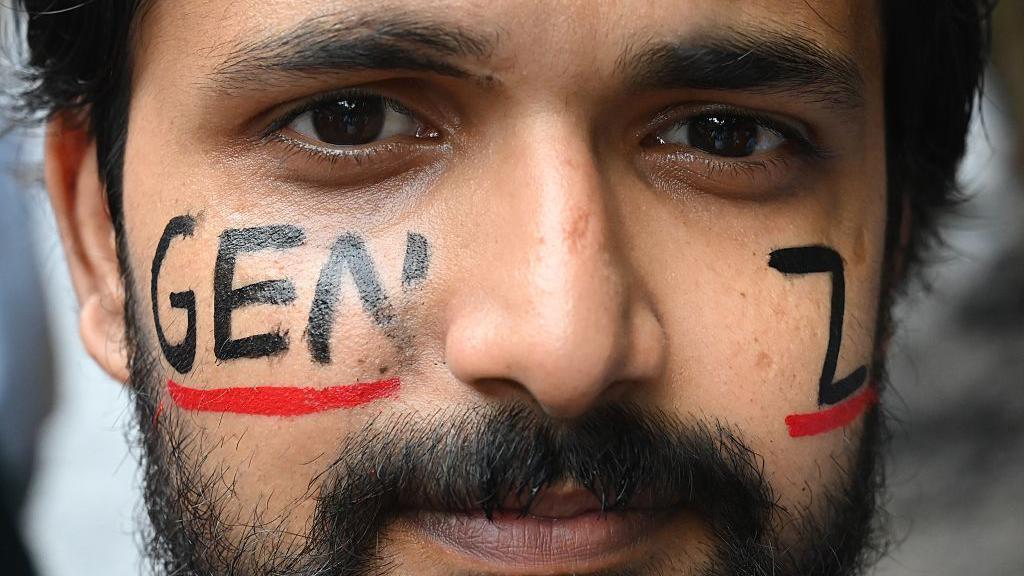
New entrants to the political arena are rising. Hamza El Kharroubi, 29, ran for parliament after being briefly arrested during the protests. A member of the Environment and Sustainable Development Party, he says I joined this party because they wanted more Gen Z faces and they are allowing us to speak freely about our demands. He points to the migration wave as proof of the need for new jobs and better economic policies.
Meanwhile, football has become a campaigning weapon. Fouzi Lekjaa, president of the Moroccan Football Federation and a former finance minister, entered the centrist Party of Authenticity and Modernity (Pam) in July. He used the “Sir” chant from Morocco’s 2022 World Cup run in viral rally footage, promising to lift education and healthcare to world‑class standards.
The Justice and Development Party (PJD) is also making a bid, engaging voters through anti‑Israel rhetoric. Premier Benkirane, former prime minister, campaigns on the pledge to end diplomatic ties with Israel, a point many pro‑Palestinian protesters in Rabat have championed.
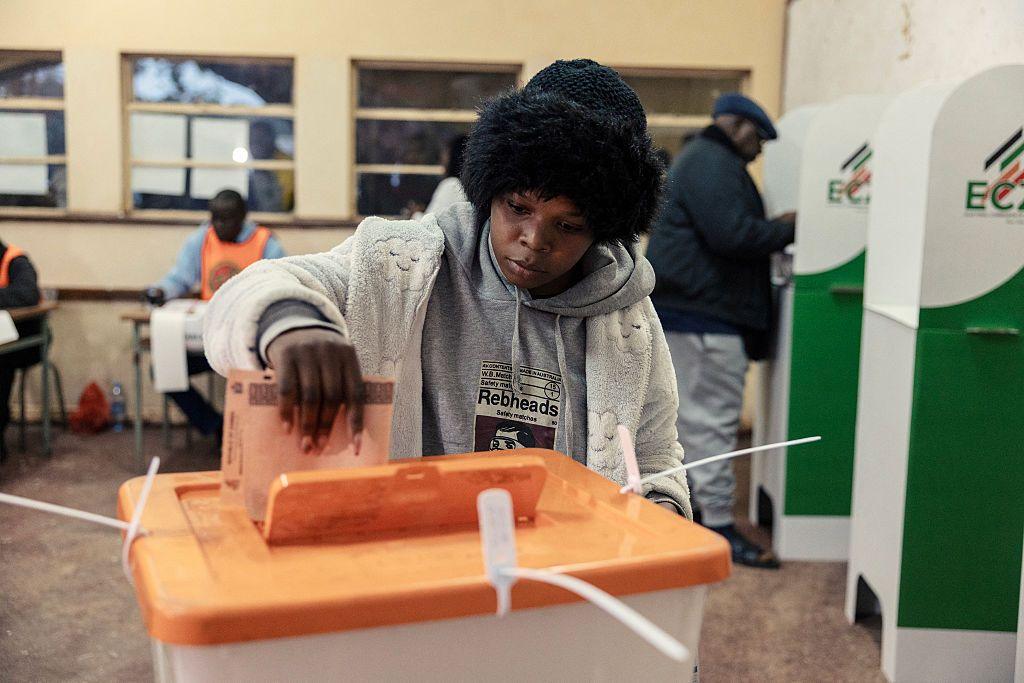
With more than half of the 38.8 million Moroccan population under 35 and only 4 % of voters aged 18‑24, the youth demographic is fragile but potential. Gen Z protests didn’t go in vain. We achieved something. At least now we see more debates with young people on state TV. – says Hiba, 27, from Montreal, who says she would vote if a proxy was available.
"I think young people should focus on the microscale: rather than running for office, helping build communities and connecting with people and then building up to the top," says Siham Allah.
- Siham Azeroual, environmental activist from the Atlas region
Election day is imminent. The hopeful promises of a million jobs, new football prestige and a return to Islamic values will shape Morocco’s next government, with outcomes that may alter the country’s political landscape for decades to come.