In brief
A sweeping night‑time blaze at the Rong Beer Na Ladprao pub in Bangkok on July 14, 2026, killed 32 people and resurrected a pattern of deadly nightclub fires that unfolded in 2009 (Santika Club) and 2022 (Mountain B). Fires spread rapidly, thick smoke hindered escape, and many victims died from inhalation. The governor has now announced unnamed inspections of all “restaurant‑as‑clubs” that fall outside the strict safety zone, but long‑standing corruption, sparse enforcement, and a lack of legal footing may undermine the effort. The incident highlights a persistent gap in Thailand’s fire‑safety regime – will this tragedy finally force lasting change?
The night‑time inferno that ripped through the Rong Beer Na Ladprao pub in Bangkok on July 14, 2026, claimed 32 lives. A sudden burst of flame pushed revelers panicked toward a single exit that became blocked by bodies and debris. Thick smoke choked the crowd, and many victims died from toxic inhalation rather than direct contact with the flames.
This tragedy echoes a pattern of deadly nightclub fires that has plagued Thailand in recent decades. The 2009 Santika Club blaze in Bangkok killed 67 people, the 2022 Mountain B fire in Sattahip claimed 26 lives, and each incident showed the same alarmingly fast spread of fire, poor evacuation routes, and a reliance on flammable sound‑insulation materials that fed the blaze.
Following the Santika disaster, Bangkok’s regulations tightened: from 2012 venues with more than 500 people were required to use fire‑resistant sound insulation, broaden exits, install backup power for exit signs, and install sprinkler systems. However, these rules applied only to venues in designated entertainment zones – a small handful of pubs. Most nightlife venues, including Rong Beer Na Ladprao, were treated as restaurants and were exempt from the stricter regime.
Bangkok’s governor, Chadchart Sittipunt, has now recognised the lethal loophole. "The pub was inspected just three months ago and declared safe," he told reporters. "We will now run random inspections of all restaurants that are effectively clubs, without prior notice, and enforce stricter standards where needed."
Yet the Metropolitan Administration faces doubts over staff capacity to inspect thousands of informal clubs and the deep‑rooted culture of bribery. Many venues reportedly pay police for their operating licences, and the five police officers who were suspended after the Mountain B fire have faced no further action. Owners of the 2022 fire escaped jail time, staying free on bail while appeals could stretch to years.
Safety lapses are frequent across Thailand. Road deaths are ten times higher per capita than in the UK, a 2024 bus fire killed 23 people (20 schoolchildren) due to illegal gas canisters, and a construction crane fell on a train in January, killing 32 passengers.
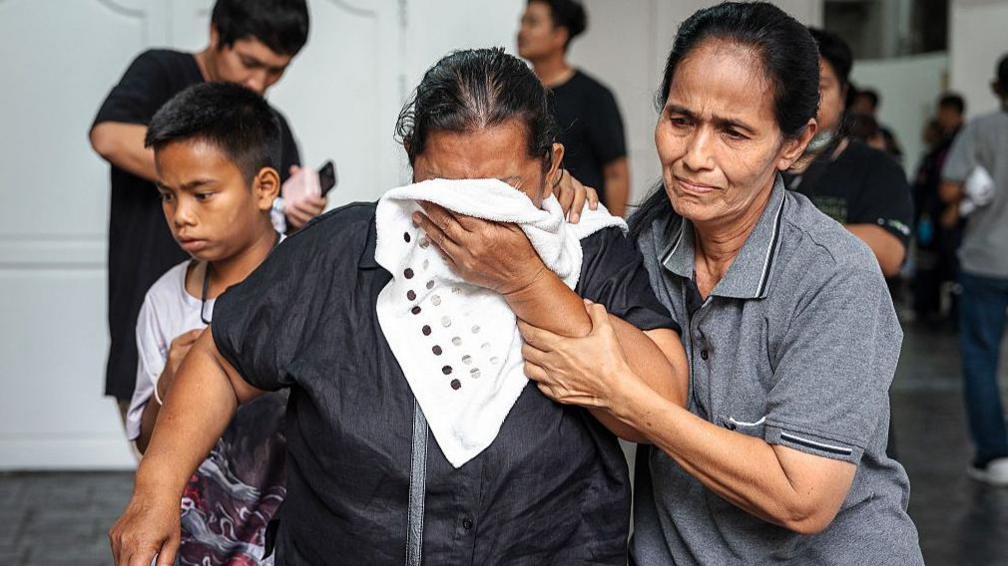
Every incident is followed by promises of action, yet the pattern persists. In the now‑grieving families of the 32 victims, questions linger: will new inspections and stricter rules finally protect patrons, or will corruption and regulatory gaps keep the risk alive?
Further reading: Witnesses describe how deadly inferno swept through Bangkok bar | Bangkok fire investigation finds locked doors and flammable decor as deaths climb to 30