In brief
A televised face‑to‑face between Brazil’s incumbent Lula and challenger Bolsonaro turned into a verbal skirmish that saw both leaders trade personal insults, sidestepping policy talk. The exchange, broadcast just one week before the Sunday run‑off, highlighted the deep partisan divide that could turn undecided voters away. Analysts warn that the aggressive tone may fuel the country’s already‑high abstention rates. The debate’s chaotic pacing and style drew criticism, as each side interrupted the other in a bid to dominate the spotlight.
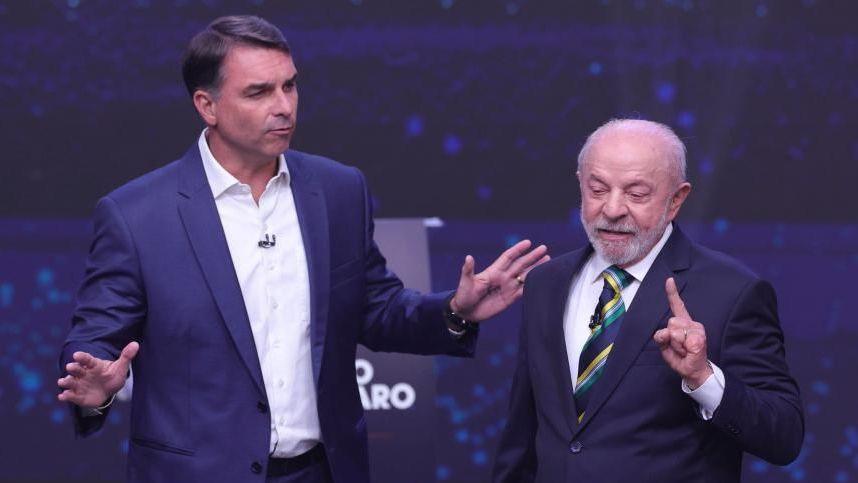
Brazil’s left‑wing president, Luiz Inácio Lula da Silva, faced off against Senator Flávio Bolsonaro in a televised debate just one week before the Sunday run‑off election.
The two leaders, neck and neck in the polls, used the platform to try to sway undecided voters, but the fight quickly devolved into a barrage of personal attacks instead of policy discussion.
Analysts note the debate’s chaotic pacing—with candidates pacing across the stage and interrupting each other—as a sign that the tone may drive more people to the polls and increase abstention rates.
Bolsonaro, campaigning on law and order, highlighted the initials of the Workers’ Party on his hand and accused Lula of corruption. He also challenged Lula to explain the rise in crime rates during his first four years while questioning the loyalty of the opposition’s supporters.
In a sharp counter, Lula referenced Bolsonaro’s ousted father and said he wanted distance from the family and militia links, turning the debate into a clash of personalities over shared history and ideology.
Both parties failed to engage on concrete policies, and the heated exchanges may leave the independent voter with a negative impression of the candidates’ leadership abilities.