In brief
A rare event in botany, the titan arum, affectionately named Putricia, is captivating audiences with its impending bloom and infamous smell.
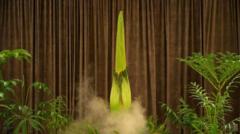
In the Royal Botanic Gardens of Sydney, the countdown is on as thousands eagerly await the bloom of Putricia, the illustrious titan arum known as the "corpse flower”. This endangered plant, famous for its ghastly odor reminiscent of "wet socks or rotting flesh," is set to bloom after years of waiting, drawing attention from around the world, particularly through its dedicated livestream.Affectionately referred to as Putricia, this giant bloom is anticipated to unfurl a visually stunning maroon skirt, known scientifically as a spathe, around its central spike, or spadix. The bloom could last for a mere 24 hours, making this event rare and fleeting. Participants in the livestream have created a vibrant community with their own lingo and playful acronyms like "WWTF" (We Watch the Flower), "WDNRP" (We Do Not Rush Putricia), and "BBTB" (Blessed Be The Bloom), while following the plant's slow but regal progress behind a velvet rope. Upon a visitor's occasional appearance in the frame, they seize the moment to snap a selfie, all the while the plant remains silent.Despite the unpredictability of Putricia's timing, the thrill of anticipation has captivated audiences, inspiring comments from viewers who admit to falling asleep while waiting for the bloom. "This is the slowest burlesque ever," noted one fan, while another wrote about their struggle to keep their eyes open, humorously attributing their weariness to the plant's long wait.With the titan arum's natural habitat remaining in Indonesia, it stands as a symbol of both beauty and fragility, facing endangerment due to deforestation. The bloom in Sydney marks a significant event; the last bloom in this garden occurred fifteen years ago, while other cities in Australia and Kew Gardens in London have also experienced similar phenomena in recent years. Everyone’s eyes are glued to their screens as they await the unforgettable display of nature's odd marvel in Sydney's botanic gardens.