In brief
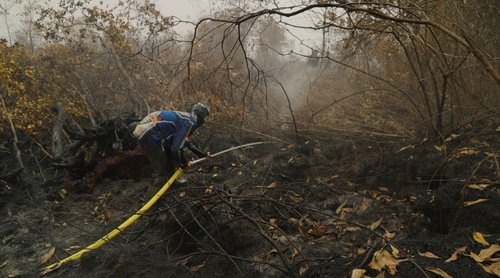
Eight orangutans – three mothers, their three daughters and two adult males – were released into a protected area in western Borneo after rescue teams evacuated 46 apes from wildfire‑stricken habitat. The move marks a significant win for conservationists working to safeguard the critically endangered species amid escalating forest fires. The release comes after the Indonesian wildlife authority secured the animals in temporary shelters and now provides them a secure habitat to grow and thrive. This event underscores the resilience of wildlife and the urgent need for continued protection efforts in the region. Support from local communities and international partners will be crucial to ensuring these apes can rebuild their lives in a sustainable ecosystem.
Eight Orangutans Re‑Released into Borneo’s Wild After Fiery Crisis
On Friday, a group of eight rescued orangutans were set free in a wildlife reserve in western Borneo, their home forest only moments away from the devastating wildfires that swept the island in August and September. Three mother girls, their three daughters and two adult males now have the chance to return to the wild, a hopeful step for a species on the brink of extinction.
The Indonesian wildlife authorities had rescued a total of 46 apes during the months of crisis. While many were injured by heat and smoke, the eight chosen for release had survived the chaos and were provided with shelter, veterinary care, and nutrition while the surrounding forest was being rehabilitated.
The release was carried out in a reserve with plentiful food and natural predators absent, ensuring the animals' safety. The mothers and daughters will now learn to navigate the jungle, hunt, and build nests in a woodland now thought to be safe from the wildfires that threatened to smother them on the ground.
- Fire impact: Large swaths of Borneo’s forest were scorched, disrupting habitats for thousands of species, including the orangutan.
- Rescue effort: Wildlife teams coordinated with local experts to locate, evacuate, and care for the apes, illustrating a powerful partnership between government and conservation groups.
- Future outlook: Researchers will monitor the group’s adaptation, hoping the release helps stabilize a dwindling population in the region.
This event is a clear reminder that even amid catastrophic environmental events, coordinated rescue operations can end in triumph. By granting these animals a second chance at life, conservationists reaffirm their dedication to protecting the rich biodiversity of Borneo.
Source: BBC News