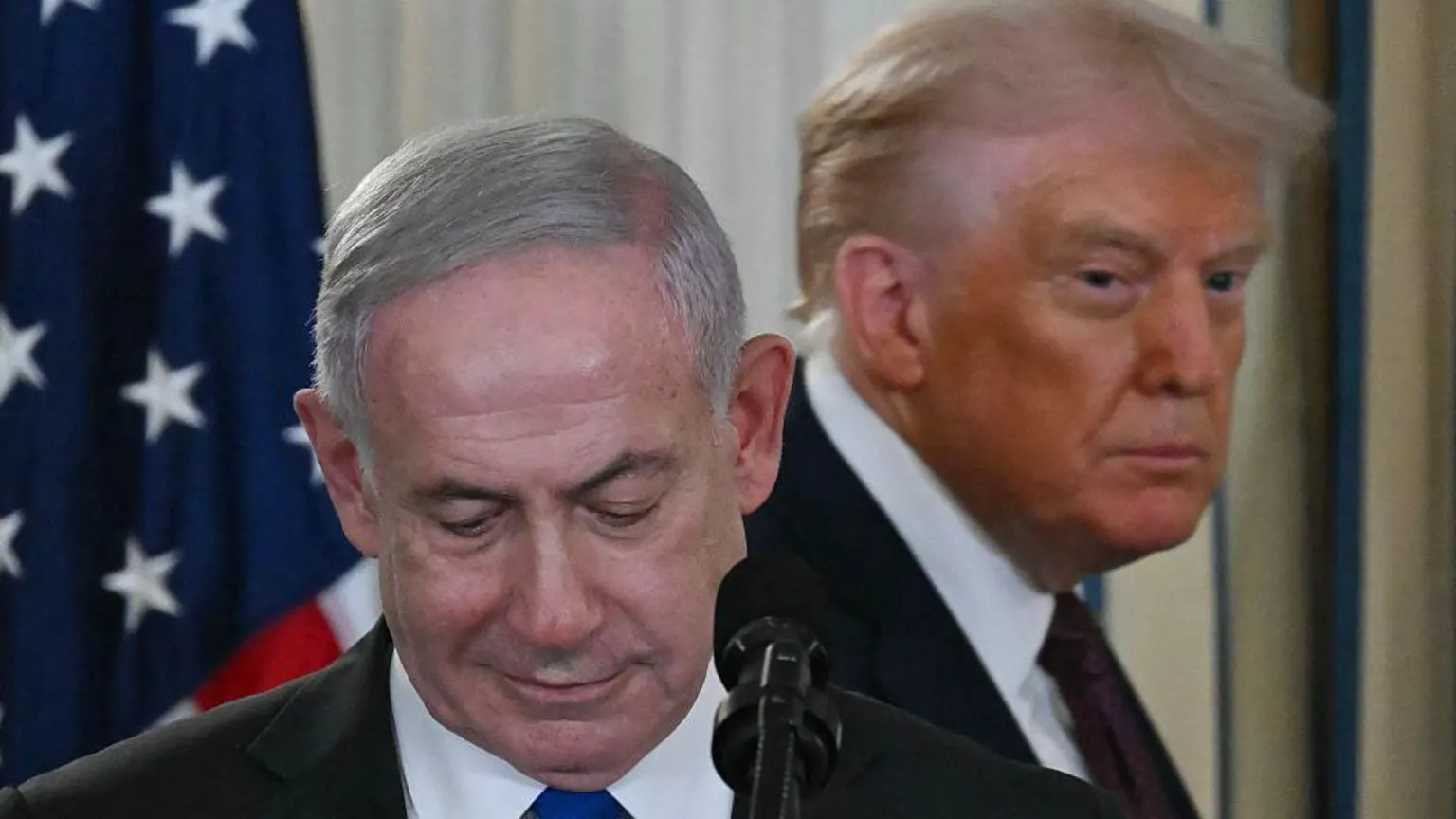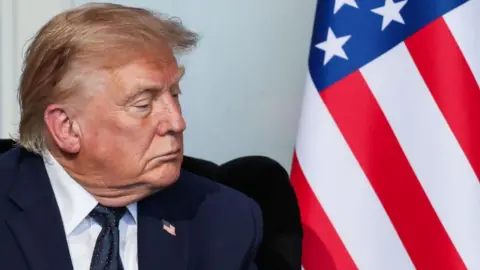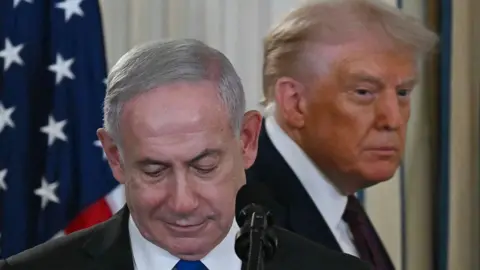
Canadian Prime Minister Justin Trudeau couldn't hold back his wit as he took a light-hearted jab at President Donald Trump right after Canada's stunning ice hockey victory against the U.S. in the 4 Nations Face Off held in Boston. Trudeau, expressing national pride, tweeted, “You can't take our country - and you can't take our game,” referring to the ongoing tensions related to trade wars and Trump's frequent remarks about absorbing Canada as the 51st state.
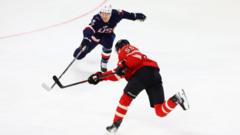
The match was electrifying, with Canada clinching a nail-biting 3-2 win in overtime, a moment that sent waves of joy through the crowd of traveling fans. As the game unfolded, the atmosphere intensified for both sides, reflecting the current fragile relationship between the two neighboring nations. Recent weeks have seen the American national anthem booed by Canadian fans, now reciprocated by U.S. fans' jeers during this critical game.
In a notable twist, the Canadian national anthem was sung with altered lyrics by singer Chantal Kreviazuk, which provoked further discussions about the bilateral relationship. Responding to her rendition, Kreviazuk shared on Instagram, expressing the need to voice anger against any forms of authoritarianism.
Despite Trump's absence from the match, he extended good wishes to the team and reiterated his desire to make Canada the "53rd state" in a post before the game. The matchup, heralded as a “dream match-up” by ice hockey writer Daniel Nugent-Bowman, provided an extraordinary platform for both countries to showcase their hockey talent after the last major encounter at the 2014 Winter Olympics.
Canada, historically dominant in ice hockey, has prevailed over the U.S. in 14 out of 20 encounters in elite tournaments since the 1976 Canada Cup. With stars like Connor McDavid and Mitch Marner leading the charge for the Canadians against prominent American players like Auston Matthews, this game became a matter of pride transcending sport. Amid political uncertainties, the triumph in hockey offered Canadians an opportunity to celebrate their national identity and resilience.