In brief
Key cases from Idaho and West Virginia could reshape the landscape for transgender rights across the nation.
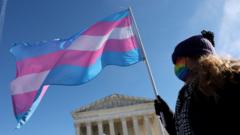
The US Supreme Court is preparing to hear arguments regarding state legislation that prohibits transgender athletes from participating in women's and girls' sports. The cases involve two transgender individuals, Becky Pepper-Jackson, age 15, and Lindsay Hecox, age 24, who secured legal injunctions from lower courts that permitted them to compete against traditional female athletes. The outcomes of these cases may significantly influence similar laws throughout the United States.This announcement comes shortly after the conservative-leaning Supreme Court endorsed a Tennessee statute banning gender transition treatments for minors—a ruling decried by many as a setback for transgender rights. The Supreme Court’s consideration revolves around the challenges posed by Pepper-Jackson and Hecox against the state boundaries, asserting these bans are discriminatory in nature.Idaho was the pioneer state in enacting such a law that restricts transgender participation in female sporting events, with numerous other states following suit. Hecox, a long-distance athlete, initiated her legal dispute against Idaho's legislation shortly after its inception in 2020, subsequently receiving an injunction from both district and appellate courts. State legislator Barbara Ehardt, who sponsored the bill, argued it was crucial to maintain fair competition in women’s sports.However, the judges involved in the appeals process concluded that Idaho's law violated constitutional rights and failed to substantiate claims that the legislation promotes sex equality and opportunities for female athletes. West Virginia's Attorney General, John McCuskey, expressed support for the Supreme Court’s engagement, believing it essential for fairness in athletic competitions.Joshua Block from the American Civil Liberties Union (ACLU), representing the athletes, asserted that exclusionary practices against transgender individuals only create a hostile environment in educational institutions. A ruling from the Supreme Court could lead to substantial consequences for states with enacted bans, especially following President Trump’s recent executive order aimed at restricting transgender women and girls from competing in female sports teams. The forthcoming Supreme Court term set to commence in October will include these pivotal hearings, although specific dates for the discussions have not yet been confirmed.