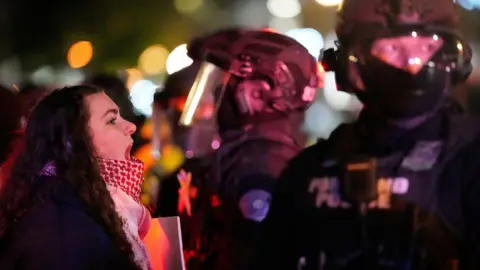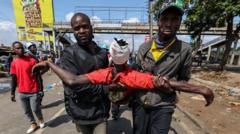
Kenya's Independent Policing Oversight Authority (Ipoa) has released a scathing report blaming police for the use of "disproportionate force" during a series of recent protests, which culminated in 65 deaths. The Ipoa's findings underscore a growing concern regarding state violence as over 140 civilians and 70 police officers were reported injured in the chaos.
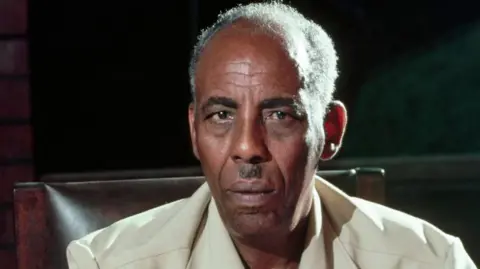
The protests erupted over a span of six weeks, with four significant days of demonstrations fueled by public outrage against police brutality and dissatisfaction with government policies. The protests were initially sparked by the controversial death of Albert Ojwang, a young teacher and blogger, while in police custody, an incident that was initially dismissed by police as self-inflicted.
The report indicates that the protests were largely peaceful until opportunistic "goons" infiltrated the demonstrations, causing chaos and undermining the objectives of peaceful assembly. Notably, the deadliest protests occurred on July 7, resulting in 41 fatalities and hundreds of injuries.
Ipoa's monitors reported serious breaches of policing standards, highlighting instances of excessive force and a failure to uphold citizens' rights. Despite these revelations, a police spokesperson directed inquiries to the Interior Ministry, which has characterized the violence as the result of intrigues from "criminals" and "anarchists."
In a controversial directive post-protests, President William Ruto instructed police to incapacitate protesters targeting businesses by shooting them in the legs, rather than killing them, a stance condemned by various rights groups as an endorsement of violence.
The Interior Minister previously downplayed claims of excessive force, labeling the protests as "terrorism disguised as dissent" and describing attempts to change the government as unconstitutional.
With public sentiment increasingly critical of law enforcement, rights advocates are calling for accountability and an end to state-sanctioned violence against civilians.