In brief
Turkish air strikes targeting Kurdish-controlled regions in northeast Syria have cornered over a million residents in Hassakeh, depriving them of essential services like water and electricity amid a severe drought. Experts point to possible violations of international law, fueling a growing humanitarian crisis.
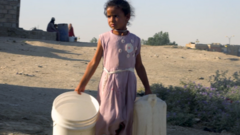
Turkish air strikes in drought-stricken northeast Syria have left more than a million people without reliable access to electricity and clean water, which analysts say could be tantamount to violating international law. Since October 2019, Turkey has executed over 100 military operations focused on oil fields, gas infrastructure, and power plants within the Kurdish-led Autonomous Administration of North and East Syria (AANES), according to data gathered by the BBC World Service.The ongoing assaults are compounding the humanitarian disaster in a region already plagued by prolonged civil conflict and four years of severe drought that has been aggravated by climate change. Due to electricity cuts from attacks on critical infrastructure last October, the main water facility in Alouk has been non-operational, forcing citizens in Hassakeh to depend on tanker water deliveries. Despite hundreds of daily trips, supply remains insufficient for the city's residents.Ahmad al-Ahmed, a water tanker driver, emphasized the critical need, stating, “Water is more precious than gold here," as residents fight for access. The city’s water board co-director, Yayha Ahmed, declared a “humanitarian catastrophe” unfolding within northeast Syria, highlighting that families face not only the brutal effects of civil war but also Turkey's ongoing military actions against Kurdish forces.President Recep Tayyip Erdogan has branded the AANES a "terror state" and justifies attacks as efforts to undermine Kurdish groups he links to the Kurdistan Workers' Party (PKK), which has long sought autonomy in Turkey. Turkey, however, maintains that civilians and civilian infrastructure were never targets. Still, extensive satellite data confirmed significant power outages following strikes that targeted crucial power stations, raising alarms among humanitarian observers.The deteriorating situation is further intensified by persistent drought conditions affecting water sources. The Khabour river, which traditionally supplied the region, has dwindled, pushing residents to rely solely on the Alouk station, now under Turkish control following military occupation.Furthermore, a February 2024 UN report suggested that attacks on electricity facilities could amount to war crimes since they significantly deprived civilians of access to vital resources. Legal experts warn that Turkey's actions may violate international laws, calling for investigations into these occurrences.Turkey counters that it fully abides by international laws and attributes water shortages to climate change and long-standing issues with water infrastructure. Meanwhile, residents express despair and abandonment, with Osman Gaddo from the water board lamenting that, despite their sacrifices, help seems distant as they desperately seek drinking water amidst ongoing warfare.