In brief
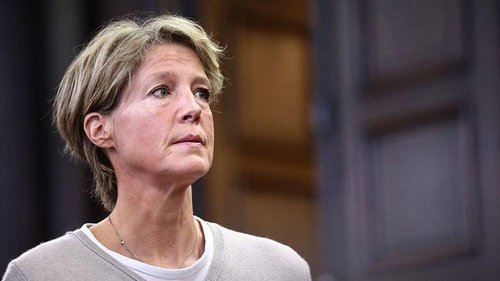
The political landscape in Amsterdam is tense as Mayor Femke Halsema's comments on the word "pogrom" stir controversy following violent protests against Israelis. Israeli officials have pushed back, framing the attacks as a “pogrom,” while concerns arise over the implications of such rhetoric on Muslim communities.
Amsterdam, Netherlands - In a turbulent week for the Dutch capital, Mayor Femke Halsema has sparked diplomatic tensions with her remarks regarding the term "pogrom" in relation to the attacks on Israelis surrounding a soccer match earlier this month. Following the incidents that began on November 7, Halsema expressed regret for her initial use of the word, citing its politicization and the potential for propaganda misuse.The controversy intensified with the response from Israel’s Foreign Minister Gideon Saar, who labeled Halsema’s regret as “utterly unacceptable.” Saar firmly supported the characterization of the attacks as a pogrom, evoking the historical context of violent riots targeting Jewish communities.The term "pogrom" originated in the late 19th century and typically refers to organized, often violent attacks against Jews. While its use has broadened in modern contexts to describe various ethnically or religiously motivated assaults, its historical weight remains significant. Many Jews view the use of this term as a powerful acknowledgment of persecution and suffering that resonates with their collective memory.This debate comes in the wake of a resurgence of antisemitism, especially after the deadly Hamas incursion into Israel on October 7, 2023, which resulted in over 1,200 casualties and the kidnapping of around 250 individuals. The heightened awareness and sensitivity within the international Jewish community have fueled the insistence on the accurate framing of such events.Conversely, Halsema's reluctance to use the term has drawn attention to accusations of its potential exploitation to foster an anti-Muslim agenda, particularly amid the rise of far-right politicians in the Netherlands, including Geert Wilders. Wilders and his party have advocated for strict immigration policies against Muslim communities, further complicating the narrative surrounding the recent unrest.As the fallout from these comments and the associated protests continues to unfold, the political climate in Amsterdam remains charged, divided on how to frame the language of conflict and identity in a city that has long been a beacon for multiculturalism.In this polarizing environment, the intersection of language, politics, and community sentiment plays a crucial role in shaping the discourse around operations of violence and the societal implications that follow.