In brief
The island, a major tourist destination, grapples with declining bookings and staffing challenges amid ongoing seismic activity, prompting both local leaders and the government to seek solutions.
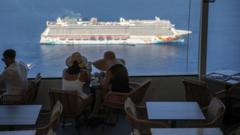
In February, as Santorini gears up for what is typically a vibrant tourist season, the island is currently overshadowed by continuous earthquakes that have unsettled residents and potential visitors alike. With thousands of tremors recorded since January, tourism operators are on high alert as some cruises have already canceled plans to dock. Antonis Pagonis, president of Greece's Association of Hoteliers, has noted a concerning dip in bookings recently, but maintains hope for a rebound.The impact of the seismic activity is not limited to potential tourists; it poses a significant challenge in staffing the island. Santorini's population of just over 15,000 swells to nearly 160,000 daily in the peak season, relying heavily on seasonal workers, many of whom are now reevaluating their commitments for the summer. Workers like Manos, a seasoned bartender previously attracted by the island’s bustling tourist scene, are opting for jobs in other locations like Corfu due to uncertainties in income should tourist numbers fall.Construction projects across the island are also being stalled as safety fears mount, further complicating the tourism sector’s ability to prepare for the summer. Hotel owners are pressing the government for continued financial support for construction workers as well as for established staff during this turbulent period.In response to the earthquakes, local authorities have quickly mobilized rescue teams and declared a state of emergency, which is intended to facilitate aid efforts. However, tourism experts argue that this immediate response must pave the way for long-term infrastructural improvements. Margarita Karamolegkou, an influential hotel operator, emphasizes the necessity of investments, such as a new port, to ensure the island's resilience against both natural disasters and regular tourist demands.The economic stakes for Santorini are high; the island represents around 2.5% of Greece’s GDP, generating approximately €5.9 billion annually. While cancellations are currently swift to emerge, the safer bet is that prolonged declines in bookings may lead to drastic economic repercussions.A visit by Prime Minister Kyriakos Mitsotakis underscored the governmental commitment to mitigating the risks faced by this iconic destination, aiming to maintain tourism integrity through the current year and beyond. As preparations linger in limbo, hoteliers remain optimistic about maintaining service standards despite the potential of reduced capacities.With the situation still evolving, both government action and community resilience will be crucial in navigating the uncharted waters for Santorini's tourism this coming season.