In brief
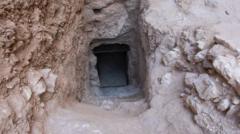
A British archaeological team, led by Piers Litherland, may have identified a second burial site for King Thutmose II, located in the Western Valleys of the Theban Necropolis near Luxor. This potential discovery follows closely on the heels of a recently announced tomb find that marked a significant milestone in Egyptian archaeology. Mr. Litherland suspects that this newly identified site could contain the mummified remains of the pharaoh, as he believes the first tomb was relocated shortly after Thutmose II's burial due to a flooding incident.
The excavation site is believed to be beneath a 23-metre (75 ft) artificial structure made of limestone, ash, and other materials, which was historically crafted to mimic the natural landscape. This technique was common in ancient Egypt, making it challenging for archaeologists to unearth hidden tombs. When uncovering the first tomb, researchers stumbled upon a decorated burial chamber, a strong indication that it belonged to a pharaoh, which was an unexpected find.The emotional impact of such discoveries on the team has been profound. Mr. Litherland conveyed the extraordinary feelings associated with encountering the unexpected, expressing his excitement during a recent interview on the BBC's Newshour.Thutmose II is a prominent figure in ancient Egyptian history, notably married to Queen Hatshepsut, who is often considered one of Egypt's greatest pharaohs. He is also a direct ancestor of Tutankhamun, the boy king whose tomb was discovered by British archaeologists in 1922, marking a significant event in archaeology. As the team continues their meticulous work on this potential new tomb, the world watches closely for further updates from this remarkable site.